
The Singapore Ministry of Defense announced that the Singapore Navy and the Chinese People's Liberation Army Navy will hold the bilateral exercise "Maritime Cooperation 2026" in Tsinghua, China from September 5 to 8, which will include professional exchanges on land, as well as landing on the deck of a marine helicopter, shooting with real ammunition, joint search and rescue and supply at sea.
In the context of Beijing’s continued expansion of its military presence in the South China Sea and the Western Pacific, a bilateral exercise called cooperation and mutual trust also provided a window to observe how Southeast Asian countries maintain a relationship between the growth of Chinese military power and their own security interests.
What Singapore Officially Confirmed
based onInformation from the Singapore Ministry of DefenseIn addition, the Singapore Navy sent the “Strong Resistance” escort vessel to participate in the exercise, while the Chinese People’s Liberation Army Navy sent the “Dazhou” missile escort vessel.
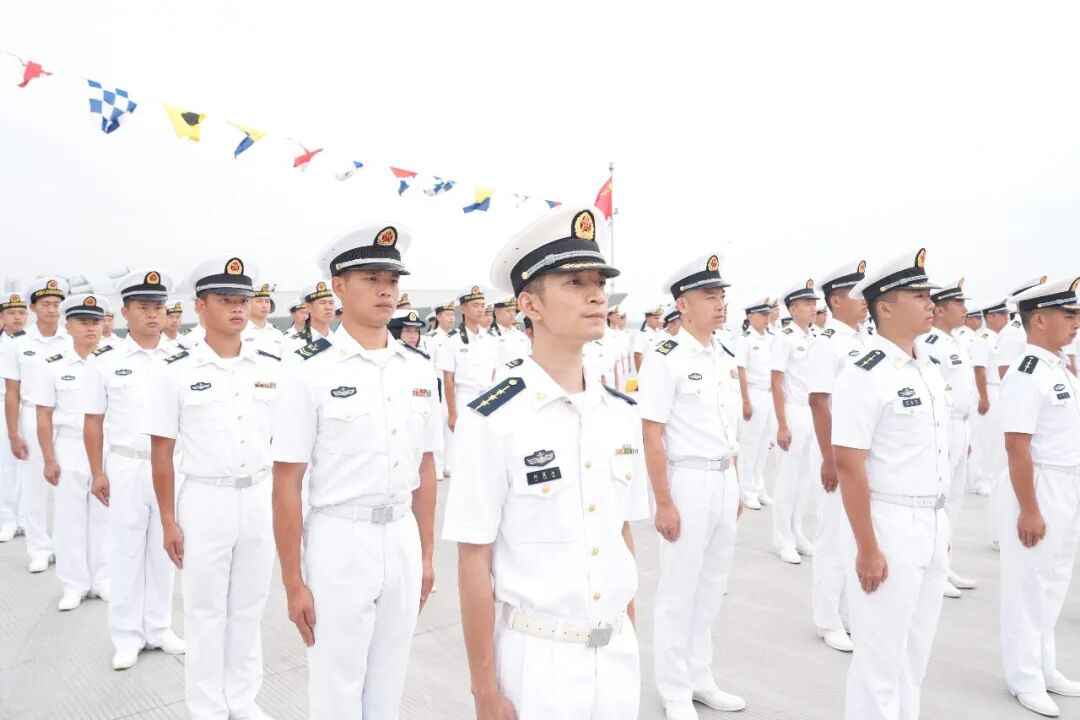
Singapore’s Defense Ministry said the exercise has been part of the naval interaction between the two countries since its first event in 2015, as a platform for enhancing professional exchanges, mutual understanding and maritime cooperation.
Exercise topics show cooperation is not a symbolic visit
Public topics include:
- Helicopter deck landing training;
- real-life ammunition shooting;
- joint search rescue;
- offshore supply;
- professional communication between Navy personnel.
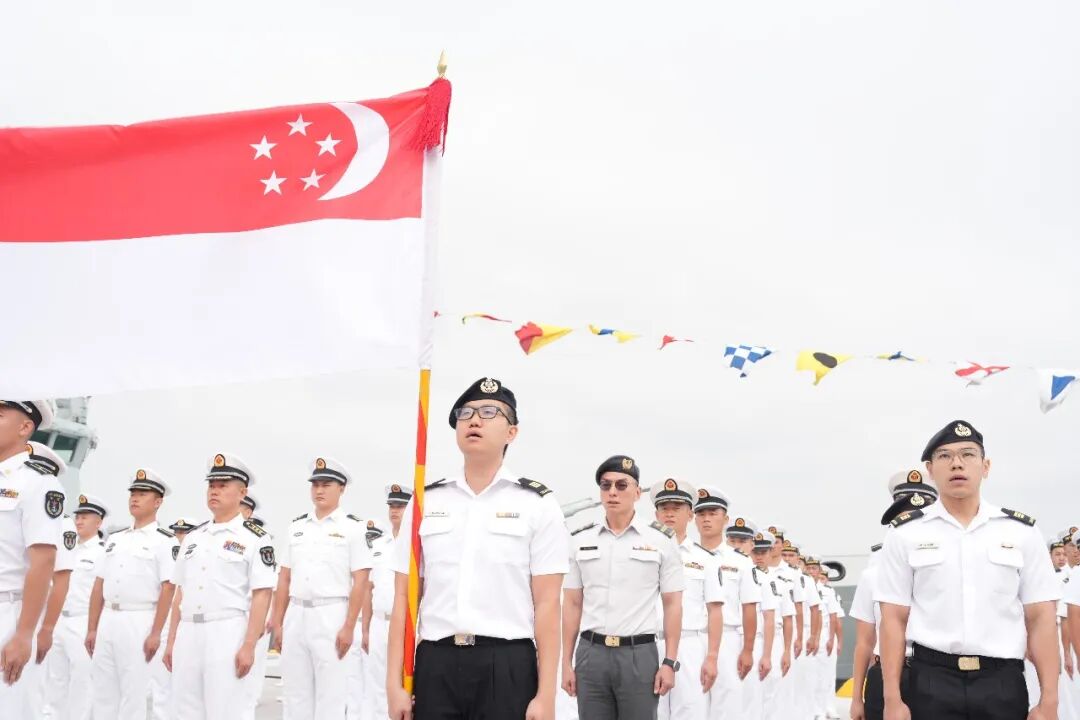
These subjects mean that activities are not just port visits or ceremonial exchanges, but also practical maritime synergy training. However, the public information does not prove that Singapore thus changes its overall security policy or chooses Beijing in the US-China competition.
Singapore’s Strategic Balance
Singapore has longined close defense relations with the United States, as well as developing military exchanges with China.This multilateral security layout is similar to the policies of many countries in Southeast Asia: economically high exchanges with China, and safely avoiding the formation of complete dependence on any single power.
Therefore, understanding China’s new military exercises needs to see both sides at the same time: on the one hand, Beijing can show that it stillins military cooperation with Southeast Asian countries; on the other hand, Singapore’s participation in bilateral exercises is not equivalent to accepting the political claims of the CPC in the South China Sea, Taiwan or the regional order.
Focus on China’s observation: military diplomacy is also a tool for Beijing’s influence
In recent years, the Chinese Communist Army has not only expanded its capabilities for ships, air forces and long-haul operations, but also continued to expand international contacts through joint exercises, officer exchanges, port visits and defence cooperation.This kind of military diplomacy has helped Beijing shape the image of a “normal security partner” and reduced the alert of surrounding countries to the rapid growth of China’s military power.
For a democratic society, the key is not to describe all contacts with the Chinese military as “turning back to Beijing,” but to keep an eye on whether cooperation creates policy dependence, technological risks, or whether it is used by the CCP to provide political packaging for more compulsive regional military actions.
At present, it can be confirmed that the Chinese-New Navy exercises are being conducted in accordance with the arrangements agreed by both sides; as to what impact it will have on Singapore's long-term strategic choices, it is still necessary to judge on the basis of the facts of follow-up policy and military cooperation.
Article discussion
Verified members can discuss this report publicly and manage their own content.
Checking member sign-in status…