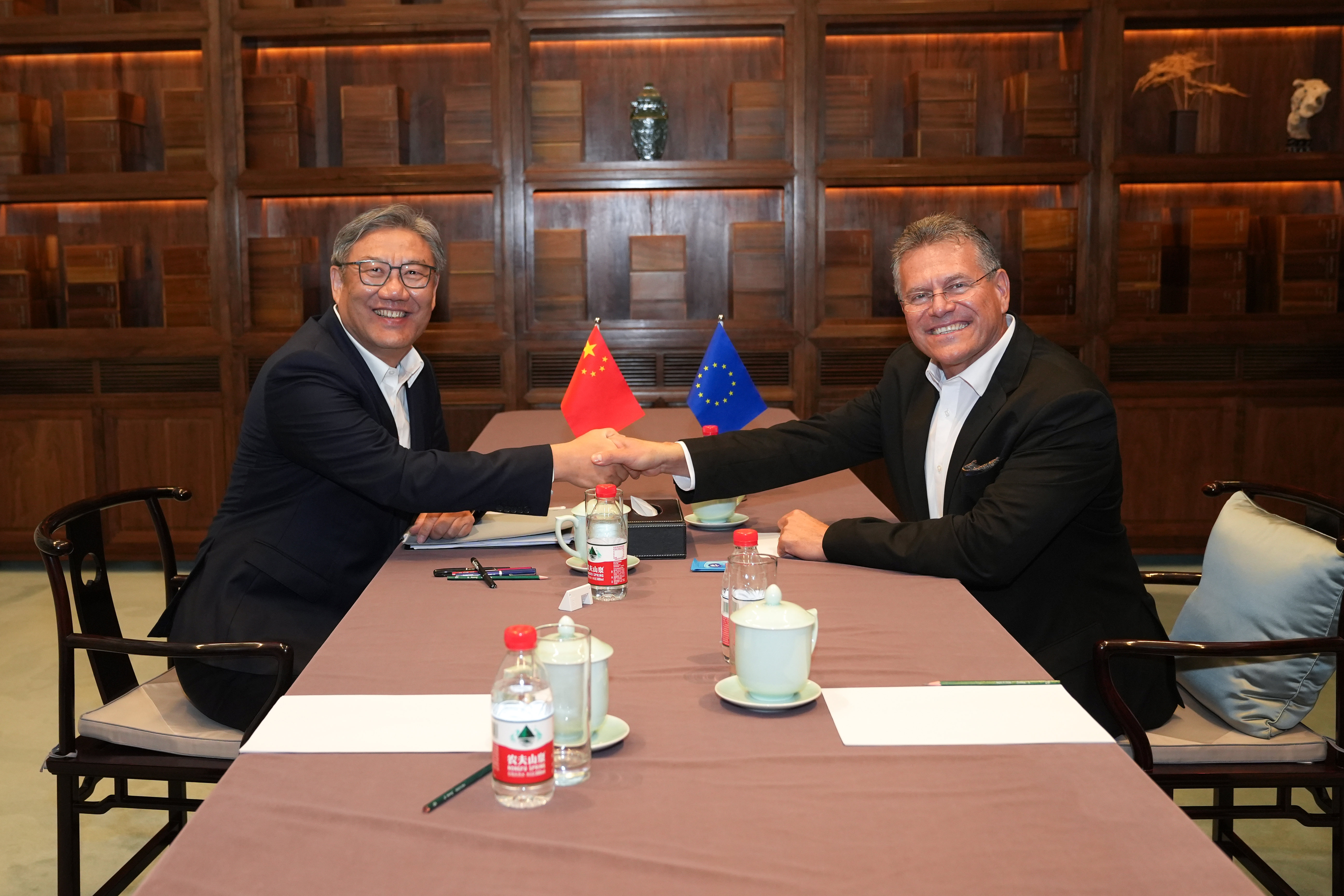
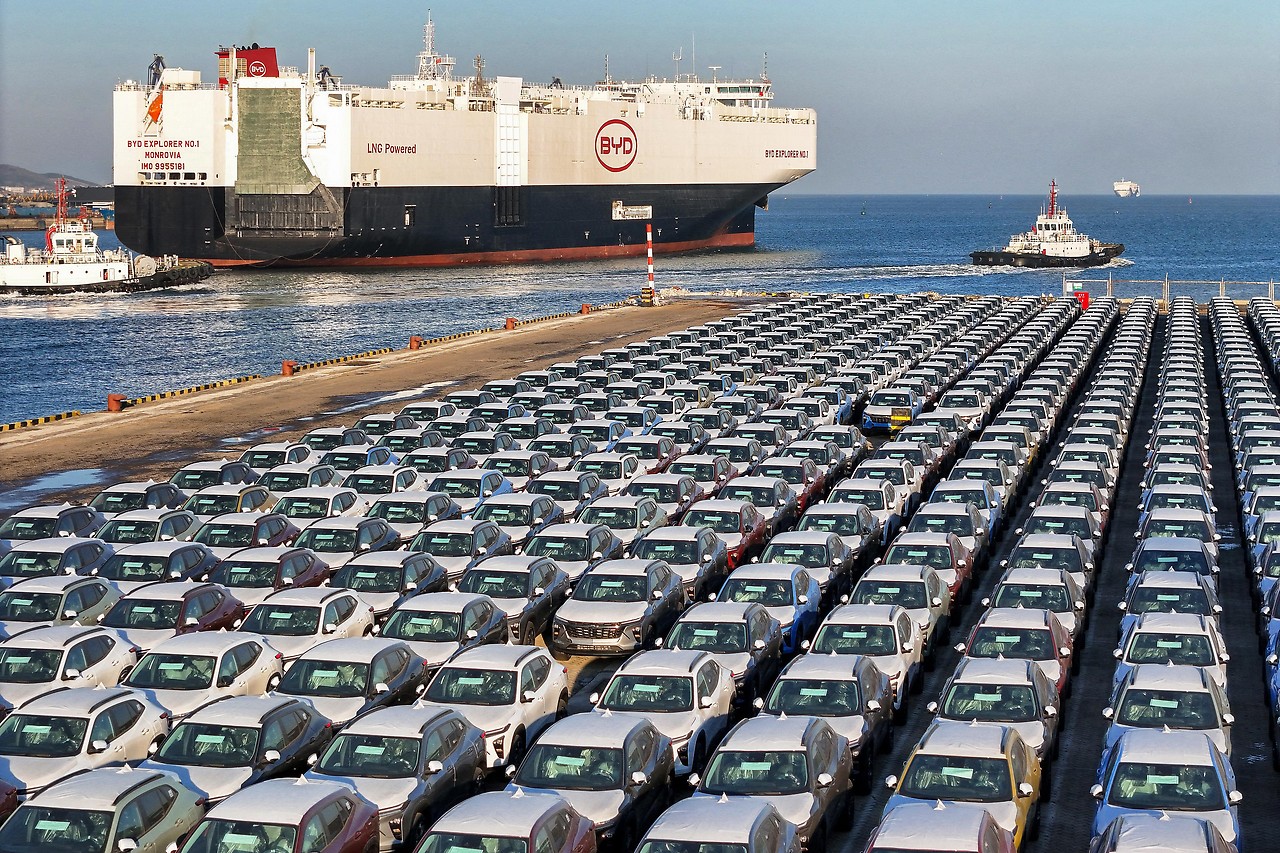
Export volume arrangements in Central Europe are rare in trade negotiations. On 9 October, EU Trade Commission Šešević announced in Beijing that the two sides would develop a “common understanding” of European exports on the restrictions on China's hybrid power and power-plugged hybrid vehicles, which, according to the European perspective, could lower the size of the exports by more than half over the previous four years. Discussions also covered the entry of some European commodities into the Chinese market, rare land licensing and follow-up consultations.
原始来源 · euronews.com欧盟方面公布中欧谈判结果euronews.com ↗The news weight of this statement is not because the two sides have declared cooperation once again, but because Beijing has for the first time responded to the pressure on China’s car imports by Europeans by limiting the number of negotiations. Unlike direct tariff escalation, export restrictions, if they become specific, will push disputes from border rates to industrial capacity and market share allocations. Cutting exports by half, which number?
Šešević uses the expression “moderate” (regulating, regulating) and a reduction of more than half as originally expected. It does not range from declaring that the actual amount of exports available will be cut in half from tomorrow to reducing by half all Chinese cars and all power types in one and the same way. Formal operating mechanisms, benchmarks and rules for the allocation of enterprises have not been disclosed in detail, and titles and reports that are directly written as “sold” distort key elements of the agreement.
In the past, Europe had started a subsidy survey and tariff measures for the manufacture of pure electric vehicles in China, and export growth by interpolating and mixing vehicles had extended industrial competition to another product category. The European concerns about the automobile industry are realistic: local manufacturers are facing competition for high-yielding exports while bearing the costs of energy, labour and transformational investment. The European side hopes to secure a manageable adjustment time through trade negotiations. 4 billion euros market access and rare earth permits
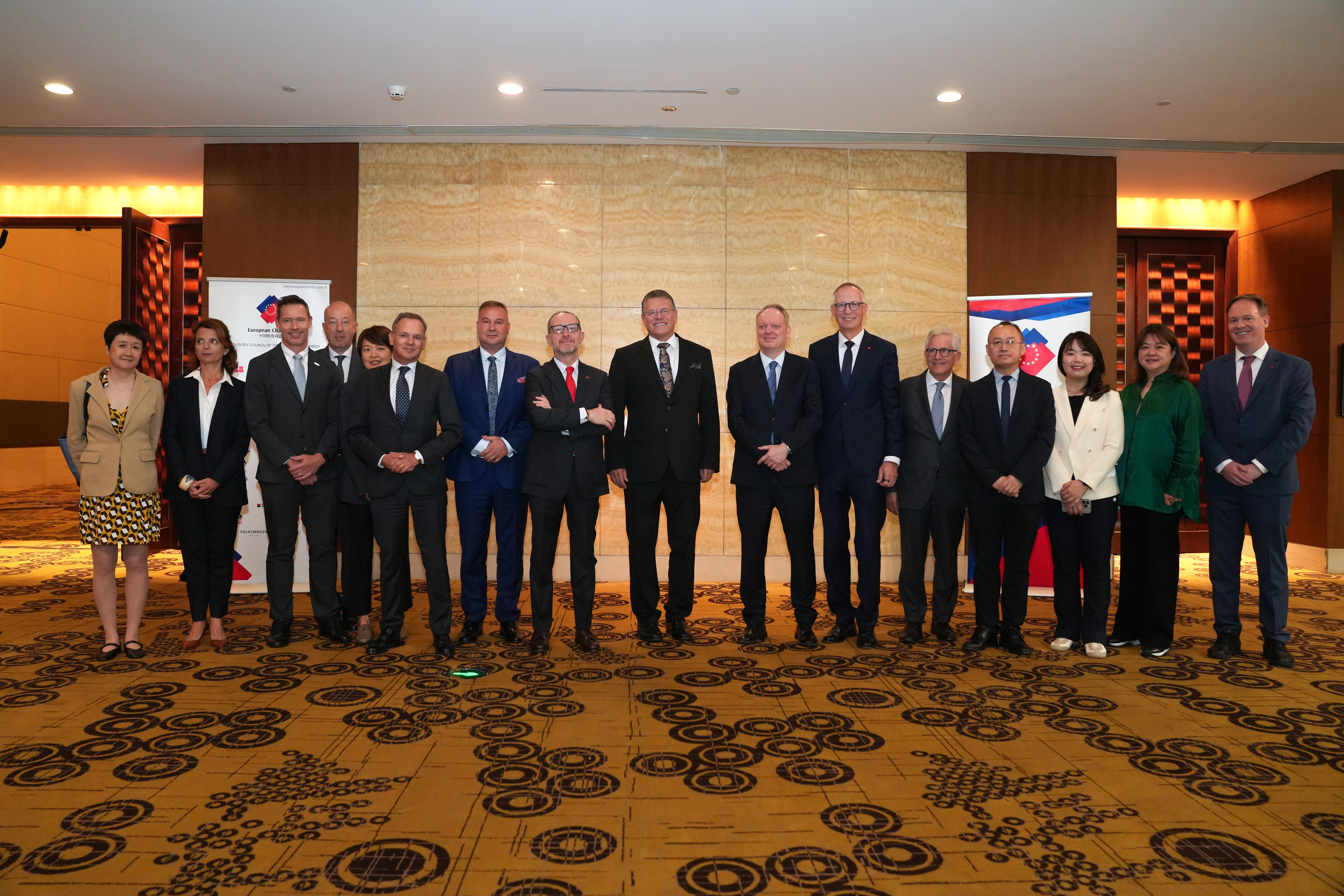
The exchange terms offered by the EU included expanding the ease of access to the Chinese market for commodities such as car parts, olive oil and shoe-tracking, with the relevant export value now approaching 4 billion euros. The parties also discussed rare earth export licences. The availability of stable, transparent and predictable licences for the European supply chain of automobiles, industrial equipment and military industries, which are highly dependent on critical raw materials, may be more important than a trade statement.
原始来源 · apnews.com美联社:中欧汽车出口与市场准入协议apnews.com ↗China’s rare-earth export regime has brought important trade negotiations to Beijing; Europe relies on large consumer markets and import rules to create reverse pressures. The negotiations between the two sides were not a simple compromise to decide who would win or lose, but a power swap that each sought to tie in market access, industrial security and industrial employment. Who bears the cost of “industrial adjustment”
If export growth is constrained, Chinese exporting enterprises need to reconfigure their capacity, marketing channels and price strategies; If rules are not transparent, large, policy-oriented enterprises may have a better market share than small suppliers. Even if import pressure were reduced, the European side could not automatically repair its own underinvestment, energy costs and industrial transformation efficiency problems.
Another issue of concern to Focus China is how the cost of China ' s industrial policy can be seen in trade negotiations. Local government competition, expansion of capacity, subsidies and financial support can drive short-term scale, but may push the indigestion pressure to overseas markets. Once the major trading partners have taken a collective defence, the criteria for policy success cannot be limited to exports alone, but also to the profits of the enterprise, the efficiency of financial support and the real earnings of the worker. We're not the end of a common understanding.
The EU officials have stated that the negotiations are an important first step, but not a final solution. Practical implementation also requires a follow-up assessment of the internal system of the EU, and more issues will be discussed until
- What European enterprises want to see is enforceable rules, while Chinese enterprises need to know how to organize supply, investment and distribution networks.
The conflict in trade in Central Europe does not disappear with a statement. It is even more interesting to see whether Beijing will respond to external concerns with more transparent subsidies and capacity policies, and whether Europe will find a fair-to-test yardstick between open competition and the preservation of local employment. The decision to order trade should not end up as a mere trade-off at the negotiating table, but also include whether ordinary enterprises and workers on both sides can understand and bear these decisions.
Article discussion
Verified members can discuss this report publicly and manage their own content.
Checking member sign-in status…