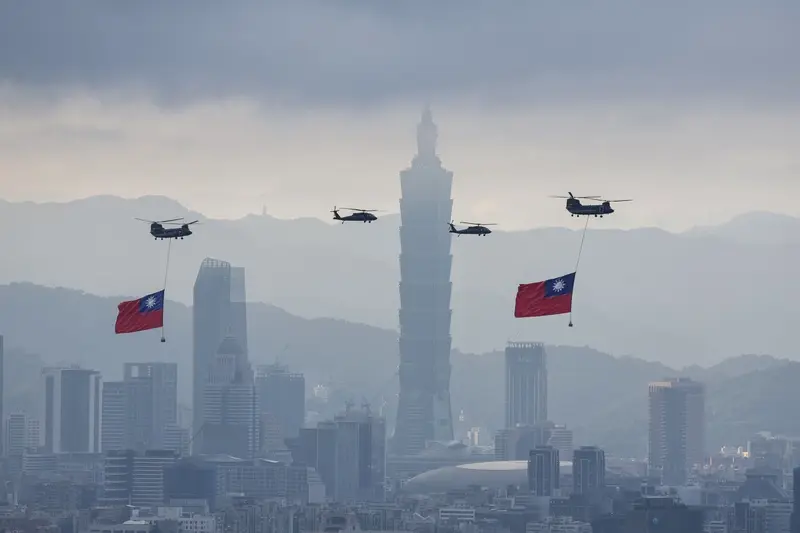
, 10 October, Taiwan military counts 21 Chinese military aircraft, 7 warships and 2 service ships operating around Taiwan within the last 24 hours; They carried out 13 sorties over the medium-water line of Taiwan into the northern, central and south-west air defence identification zones. A few hours later, the 115th National Day of the Republic of China was held in Taipei's former square, in which Reyqingde emphasized that Taiwan valued peace but would not give up freedom. This is not two unrelated news: while Taiwan ' s leaders speak openly of reciprocal dialogue, Beijing ' s military force continues to shape the reality of the Strait in a daily approach.
The statistics of the Taiwan Ministry of Defence are dated 9 October from 6 a.m. to 6 a.m. The military indicated that it had sent air patrol forces, naval vessels and a monitoring point for the offshore missile system. 21 missions did not equal 21 different aircraft and entry into the air defence identification area was not equal to entry into Taiwan's airspace; However, the 13 sorties that crossed the median line of the Taiwan Strait show that SLA continues to regard the middle line of the strait, which was supposed to be a buffer, as an area of military activity that can be crossed over and over again.
The national day speech was entitled "Taiwan Mountain Top City, Salt on the Earth, Light in the World." Reyqingd did not replace the commitment to governance with the mobilization of war. Speaking on the thirtieth anniversary of Taiwan ' s first direct presidential election, he recalled the 1996 Taiwan voters ' experience of voting under the threat of Chinese missiles, stressed that political power came from the people ' s mandate and proposed the internal direction of salary increases, tax cuts, welfare, family support, energy security and industrial development. The full text of the official address of the presidential palace shows that national defence and democracy are not two main lines of isolation, but are placed in the same narrative as "the ability of the people to determine the future".
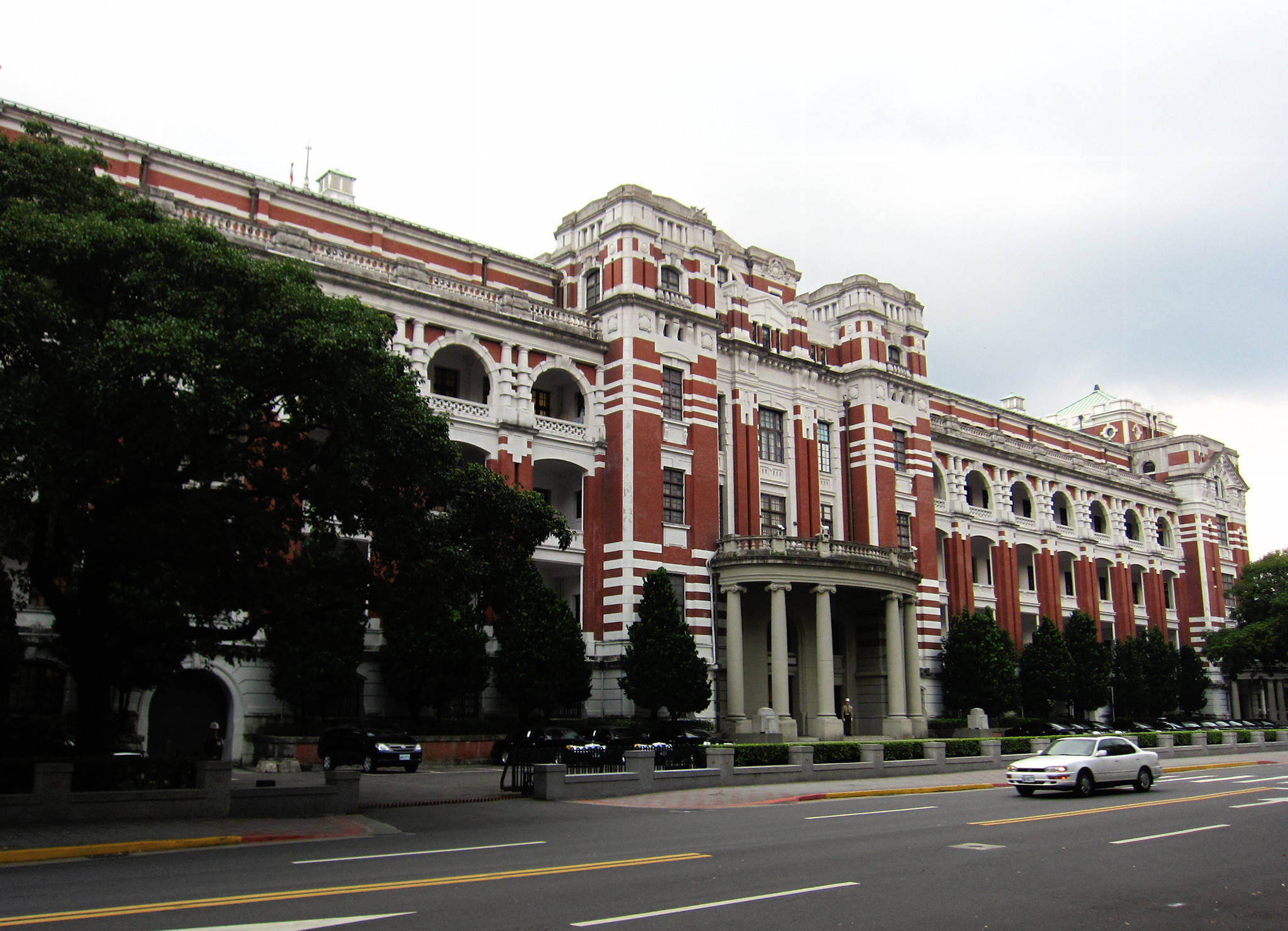
The vote was 30 years ago and the plane today
In 1996, when Taiwan first held direct presidential elections, Beijing conducted missile-testing and military exercises in the Taiwan Strait. After three decades, Taiwan had repeatedly achieved party rotation, while Beijing had insisted that Taiwan belonged to China and had never abandoned the option of using force. The differences between the two-sand system are not merely abstract sovereignty arguments: the President of Taiwan must seek a mandate through elections, subject to the Legislative Council, opposition parties and media monitoring; The Communist Party of China, on the other hand, does not need to be approved by Taiwan's voters to advocate for the power to determine Taiwan's future with military and diplomatic pressure.
In his speech, Le Chinder put together asymmetrical fighting, the development of the home defence industry and the resilience of society as a whole. He proposed to maintain the functioning of energy, communications, transport, finance, food and medical systems during the crisis. This section is closer to the actual cost of modern warfare than traditional arms procurement news: even if the military were to hold the coast, the general population could still suffer severe shocks for days if the electricity grid, hospitals, payment systems or sea supply chains were disrupted. Taipei tried to extend its defence from military barracks to the daily life of society.
The national holiday site also featured air fleets, fire rescue and sea patrol equipment. <a href="https://www.cna.com.tw/news/aipl/202610100086.aspx"target" rel = "nopener noreferrer" data-linked-reference= "true" data-reference-label = "Crust Agency 2026 national holiday live report" Central News reported </a" that Black Hawk helicopters were conducting a hang-up rescue exercise over the Caitlan Avenue, that the Coast Patrol Department was displaying drones, drones and surveillance equipment, and five Yonghawk high-level pilots flew over the presidential palace with three colours. The military and disaster-prevention forces are present in the same celebration, not just as a demonstration of force, but as the thinking of the Government of Taiwan that war preparedness, disaster response and social functioning are the same set of resilient construction.
原始来源 · cna.com.tw中央社2026年国庆大典视频直播记录cna.com.tw ↗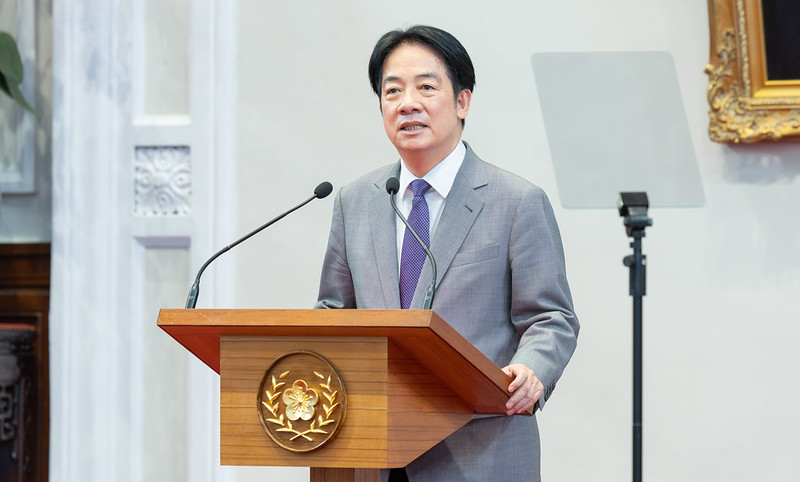
Beijing wants the dialogue to recognize sovereignty first, Taipei demands that it be dignified
While welcoming the fact that the United States manages competition through dialogue and reduces the risk of conflict, Rysingde stressed that Taiwan ' s increased investment in defence was intended to deter war and that enhanced defence was intended to allow dialogue to be based on reciprocity and dignity. He also called on Indian and Pacific democracies to cooperate in opposing the use of force to change the regional situation. , a senior official of the United States Government to Reuters, welcoming Reynchander's commitment to maintaining peace and stability in the Taiwan Strait, and stating that routine speeches cannot justify acts of aggression or coercion.
Beijing's position is that the Taiwan issue belongs to China's internal affairs, that it opposes external intervention and that it views Rey Chind as a “tai independence” separatist. The Chinese National Office had not responded to the speech in time for it to be released at Reuters. The differences between the two sides were clear: Beijing called for Taiwan to accept its one-single principle as the basis for political negotiations, while the elected Government of Taiwan advocated the recognition of the right of the people to determine their own system and way of life. The generalization of both as “restrictiveness on both sides” would mask who has the capacity and the initiative to keep sending military aircraft, warships and their proximity to each other.
Taiwan's democracy must also be subject to internal testing
The speech was not just about Beijing. Taiwan will hold local elections on 28 November, in which Reyqingde stressed that different political parties could compete and that society should not be divided by differences. This means that his proposed defence budget, energy policy, welfare measures and external strategies must also face the practical tests of opposition parties, local governments and voters. The preservation of democracy cannot be achieved by declaring its values on the national day alone, but also by allowing citizens to question the governing power, review the budget and change the political course in elections.
This institutional constraint constitutes a stark contrast between cross-Straits politics. Taiwan can publicly argue whether defence spending is reasonable, whether nuclear energy should be restarted, and whether the government is living up to its human commitments; Beijing, however, views the choice of different political paths by the people of Taiwan as a sovereign issue that must be corrected. The more intense the internal political competition in Taiwan, the more it becomes clear that its political power is not permanently held by a party. This institutional difference is not eliminated by any military cruise.
When the national ceremony is over and smokes are scattered, the air-borne surveillance will continue. Taiwan is not facing today the dilemma of a slogan that can be resolved: it is necessary to prepare for war while avoiding making it inevitable; International support must be sought while maintaining the functioning of internal democracy. If Beijing truly wishes to reduce the risk of conflict, it can first stop using military pressure on Taiwan as a daily context for political negotiations. Peace in a region should not come at the expense of the first party giving up its freedom of choice.
Article discussion
Verified members can discuss this report publicly and manage their own content.
Checking member sign-in status…