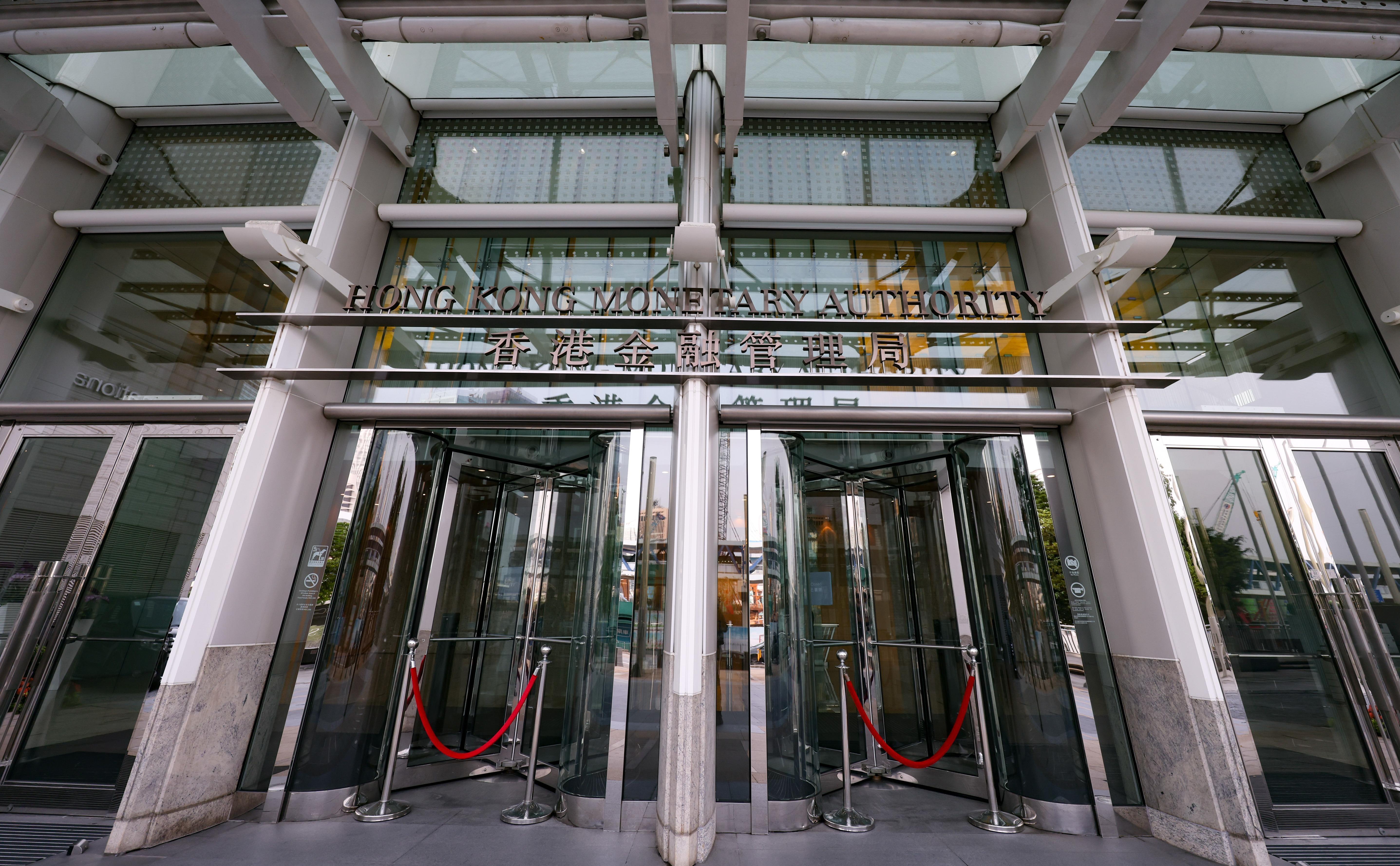
At the height of the new coronary epidemic in 2020, the Fed established a channel for rapid access to the United States dollar by the overseas central bank or currency authority: foreign and international monetary authority (FIMA) buyback facilities. The eligible agencies may exchange United States Treasury bonds deposited in the Federal Reserve in New York for short-term cash in United States dollars and then repurchase the securities. This is not a grant, nor is it a formal recognition of the user policy position in Washington, but rather a guaranteed financing arrangement that reduces the global panic in the United States dollar market.
Six years later, this technical liquidity channel appeared in the Hong Kong policy debate in the United States Congress. On 6 October, John Moolenaar, Chairman of the United States House Special Commission on China, wrote to Kevin Walsh, Chairman of the Federal Reserve, requesting a review of the continued use of the mechanism by the Hong Kong Financial Authority in the interests of United States national security. The letter compares the background of the outbreak as it was established with the subsequent change in the political environment in Hong Kong to implement the Hong Kong National Security Act.
原始来源 · chinaselectcommittee.house.gov美国众议院中国问题特别委员会10月6日原始信函入口chinaselectcommittee.house.gov ↗原始来源 · chinaselectcommittee.house.gov美国众院中国问题特别委员会:10月6日要求检视香港流动性工具chinaselectcommittee.house.gov ↗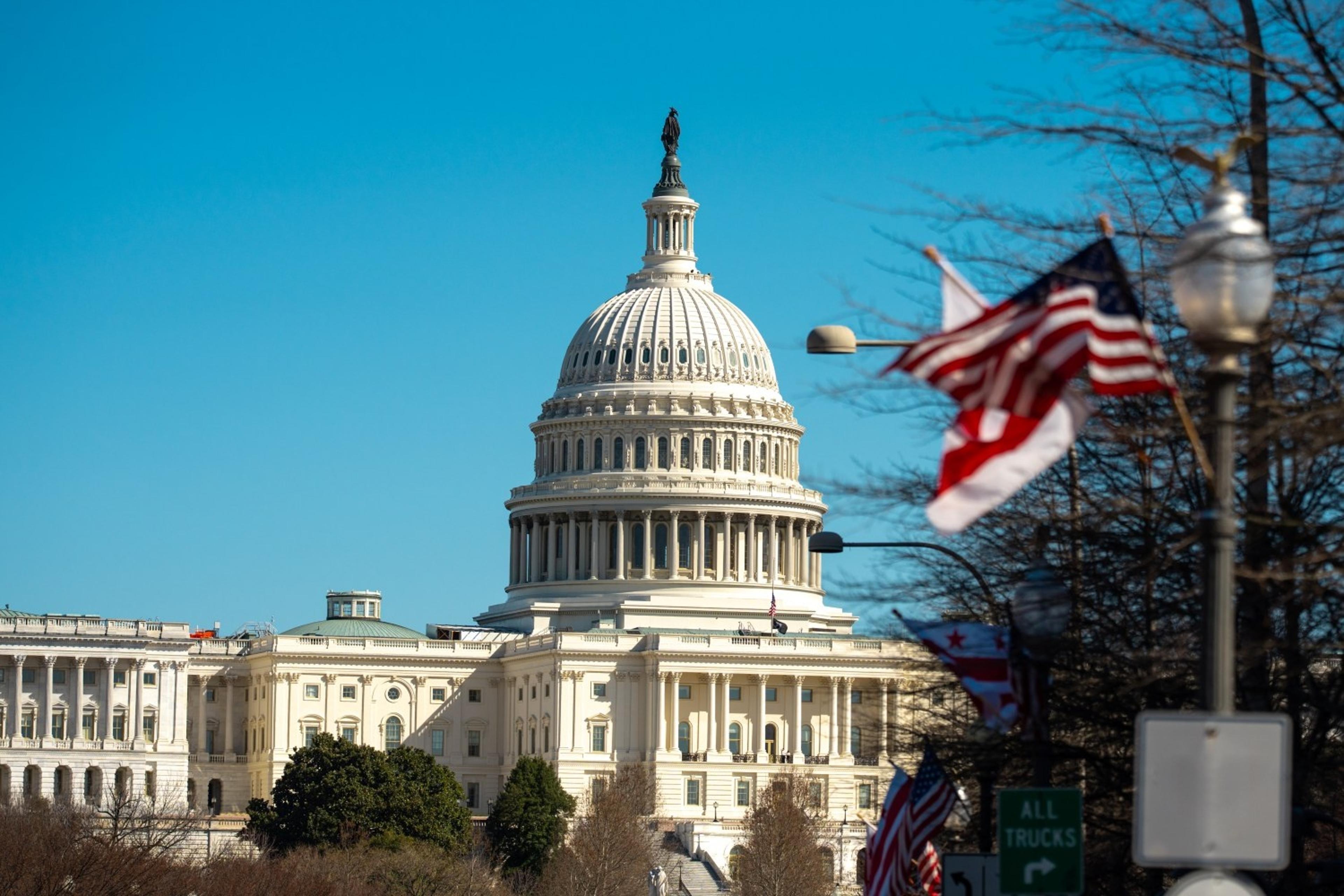
A letter from the Congress pushing Hong Kong dollar financing into political controversy
Members of Parliament were able to make oversight recommendations and legislative initiatives, but the letter did not automatically disallow the Hong Kong Monetary Authority from being eligible for the United States dollar. The FIMA mechanism remains under the Fed ' s own laws, collateral conditions and risk management rules. The Hong Kong dollar financing channel was not cut off immediately after the letter was sent, and the Hong Kong Monetary Authority is still able to manage its regular liquidity under the current system.
Since the 1990s, Hong Kong has had a system of linked exchange rates, with Hong Kong currency operating between 7.75 and 7.85 exchange guarantee areas against the United States dollar. The Authority relies on foreign exchange funds and a set of bank clearing mechanisms to maintain this arrangement, which is different from the FIMA function as a back-up source of financing during a crisis. Even if an additional facility were reviewed, it would not be tantamount to the abolition of the exchange rate-related regime on the same day.
原始来源 · federalreserve.gov美国联邦储备系统:FIMA回购便利的运作与期限条件federalreserve.gov ↗How political changes enter the inter-bank instruments of the United States dollar
The logic of Mulenar is that Hong Kong is affected by the national security laws that are dominated by Beijing and that its financial system can no longer benefit from the previous policy arrangements as a matter of course. The question is not only about the quality of the assets of a single bank, but also about the possibility that the Chinese Government may indirectly benefit from the special liquidity benefits of the United States dollar safety net.
But there is an inherent conflict between support for financial stability and the expansion of political pressure. FIMA's policy was originally to reduce market shocks caused by the emergency sale of United States Treasury bonds by overseas agencies. If a monetary authority is cut off from its facilities by geopolitical disputes, the risk of the United States dollar market may spill over to the United States-owned financial institutions. Policymakers must explain the measure of interest, not just the consequences of the financial system “for Beijing”.
The Board's own recent statement
原始来源 · hkma.gov.hk香港金管局总裁余伟文10月6日:联系汇率机制与美元息差hkma.gov.hk ↗On the same day, the President of the Hong Kong Monetary Authority, Yu Weiwen, published an article explaining that the Hong Kong currency was close to 7.85 weak exchange guarantees due to the widening of the United States dollar and Hong Kong currency interest rate, emphasizing the design of automatic exchange rate reconciliation. He believed that recent changes had been due mainly to the rise in interest rates in the United States dollar, arbitrage transactions and changes in equity capital requirements. This is a set of market-based mechanisms that cannot be directly used as evidence of an attack on the United States Congress's intervention in the post-Hong Kong currency.
What Hong Kong residents really need to know is whether the Authority has used the resources of the reserve that are not dependent on political judgement when market pressure arises, and how the facilities, the amounts and collateral are arranged. Members of Parliament need to know whether there are effective end-benefits and compliance controls for dollar financing.
The shrinking of Hong Kong ' s self-government space under the national security governance of Beijing is gradually affecting the trust of the overseas system in its financial position. The dollar buyback facility, originally designed for market stability, is now being placed in a port policy review, suggesting that financial pipelines cannot be cut off from political risk forever. If regulatory disputes escalate, the risk of bearing costs may be primarily for Hong Kong enterprises and depositors, while the political power centres that formulate national security policies are not necessarily directly compromised.
Article discussion
Verified members can discuss this report publicly and manage their own content.
Checking member sign-in status…