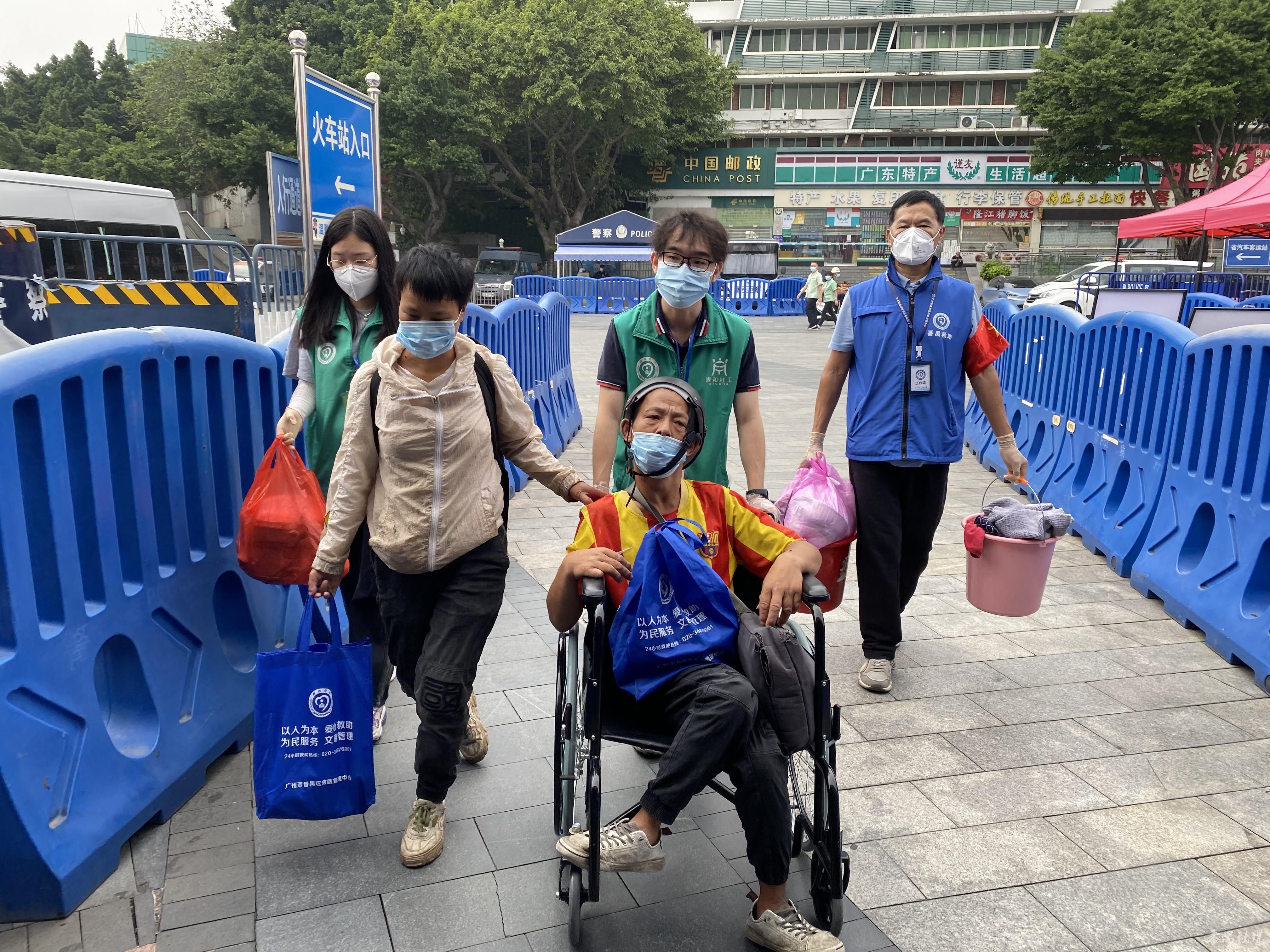
“It is as if he would have been absent if he had been persuaded to other regions. The blogger adds:
This is a description of the current urban vagrant governance by a pro-publicist in Guangdong, the White Barone. His agency has been conducting long-term visits to the city centre to provide material for the homeless and has been commissioned by the Government to participate in the eviction and return to their domicile. In a public statement on 6 October, he said that in recent months there had been an increase in street-weared vagrants and that, as Guangdong entered the APEC-related preparations and the city rehabilitation, their work had increasingly shifted from “help” to “dismissal”.
This is a testimony of front-line workers, not a statistical report issued by the Government. But it exposes a common and difficult-to-see enforcement chain in urban governance: how civil affairs, streets, police, rescue stations and social organizations that take over government projects can work together with those who do not have stable homes and do not want to return to their places of origin.
原始来源 · bumingbai.net在中国感到“低贱”的瞬间:十一位听众来信bumingbai.net ↗Can buy homecoming tickets without taking responsibility for a box of drugs
The valor spoke of a very high blood sugar wanderer. The other side is in a difficult position because of the demolition of their homes and the need to deal with their health situation on a continuous basis, but the grass-roots sector is concerned about “the responsibility” for medical problems and is reluctant to intervene.
Conversely, resources often emerge quickly when the goal is to return people to their domicile. According to the White Barone, they have been accompanied by no fewer than 10 travellers by train to return home for almost a month.
This difference illustrates the direction of incentives for grass-roots administration: real improvements in a person ' s health, housing and employment situation mean sustained commitment and responsibility; Sending people out of the jurisdiction quickly allows the street to recover “cleanness” and removes responsibility from the region's statistical and visual perspective.
“Saving” becomes space-handling in a layer of tatters
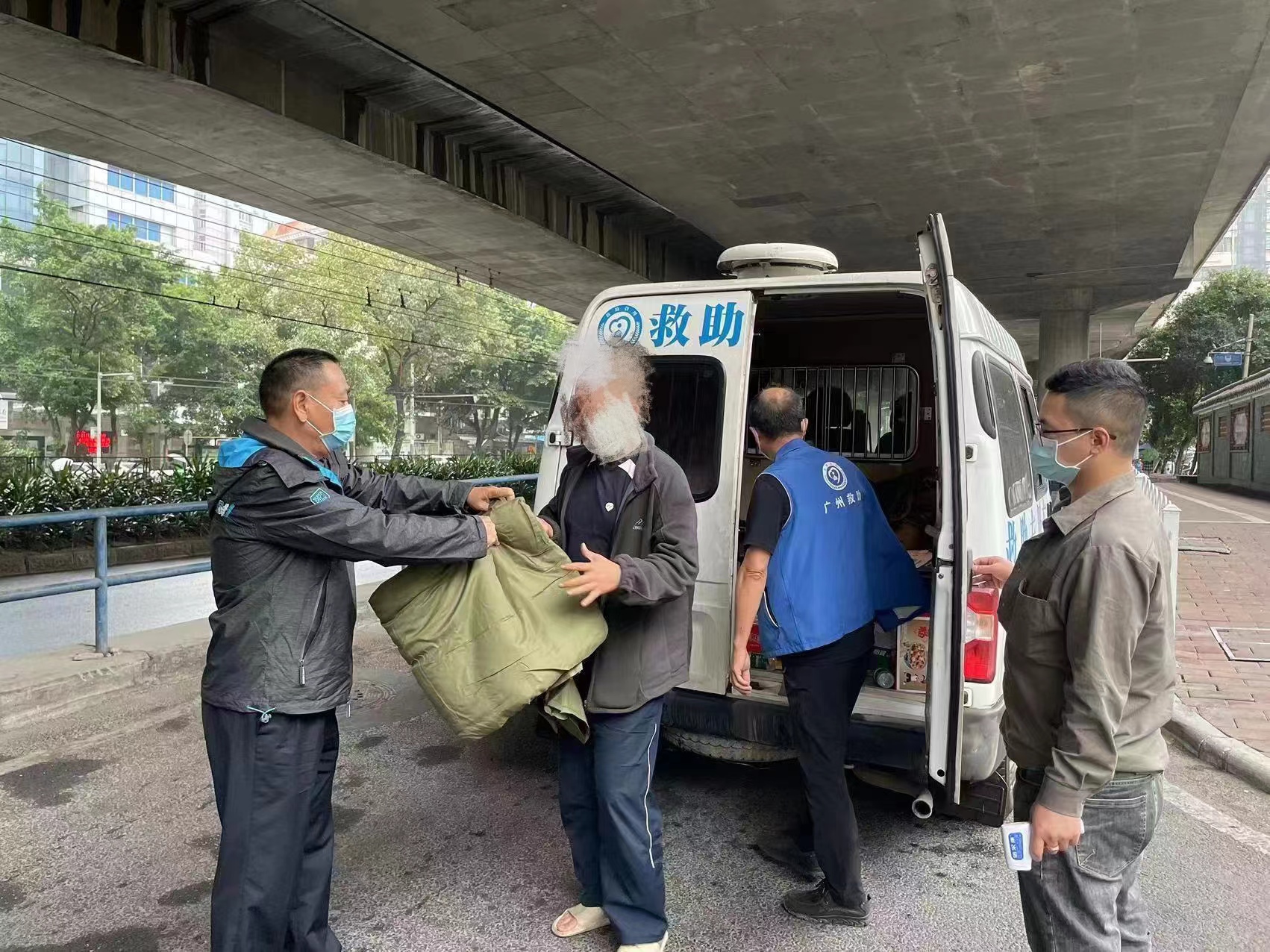
According to the valor, some of the homeless have refused to enter the help station because of the possible restrictions on the means of communication, such as mobile phones, which affect their job search and prevent them from living permanently; They also refused to return because of the same lack of employment opportunities in their countries of origin.
When both standard programmes were rejected, the real choice of some grass-roots institutions was not to continue to solve the problem, but to ask social organizations to “sent people out of their jurisdiction”. One district then pushed people to another, and the other to move.
This is not a “settlement” in the sense of social assistance, but a transfer of administrative space.
PBO added that, in order to reduce the risk of violent law enforcement images, work with travellers to persuade them to leave is often done by civil society organizations. That is, Governments have set urban management goals and outsourced the last step, which is most likely to generate conflict.
Large political and foreign events are the most likely to expose the “city image” priorities
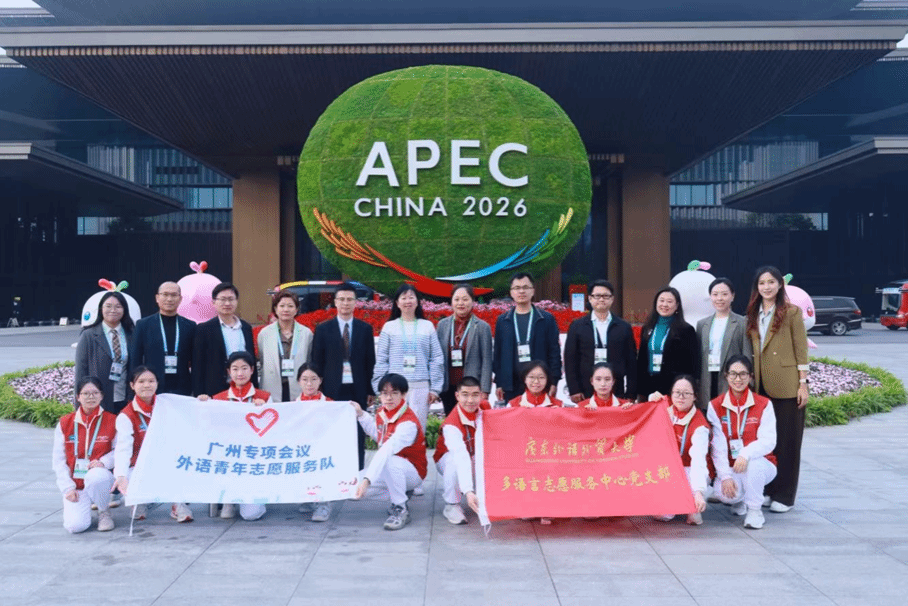
The tycoon directly linked the recent pressure to the preparation of the APEC, stating that the sectors involved in the city ' s morphology in Guangdong were in a state of high tension. This causal link is currently from his work experience and observations and should not be a substitute for official documents; However, it is highly consistent with the governance practices of Chinese cities to strengthen “environmental management” before major conferences, celebrations and leaders' events.
The point is not “APEC to clean up”, but who bears the costs of cleaning.
When a city prepares roads, landscapes and reception facilities for international conferences, the homeless should not be seen as a “market-like problem” that must be removed from the lens. If public resources are available for rapid removal without stable provision of medical care, temporary shelter and employment links, the goal of governance has changed from reducing hardship to reducing visible hardship.
Xi has repeatedly emphasized “scrutinizing” grass-roots governance. But the other side of such front-line testimony is that so-called fine governance can very accurately identify where a person is, but it is not necessarily willing to solve why he is there.
When street poverty is finally addressed as “not here”, so-called urban civilization becomes a vision of the weak.
Article discussion
Verified members can discuss this report publicly and manage their own content.
Checking member sign-in status…