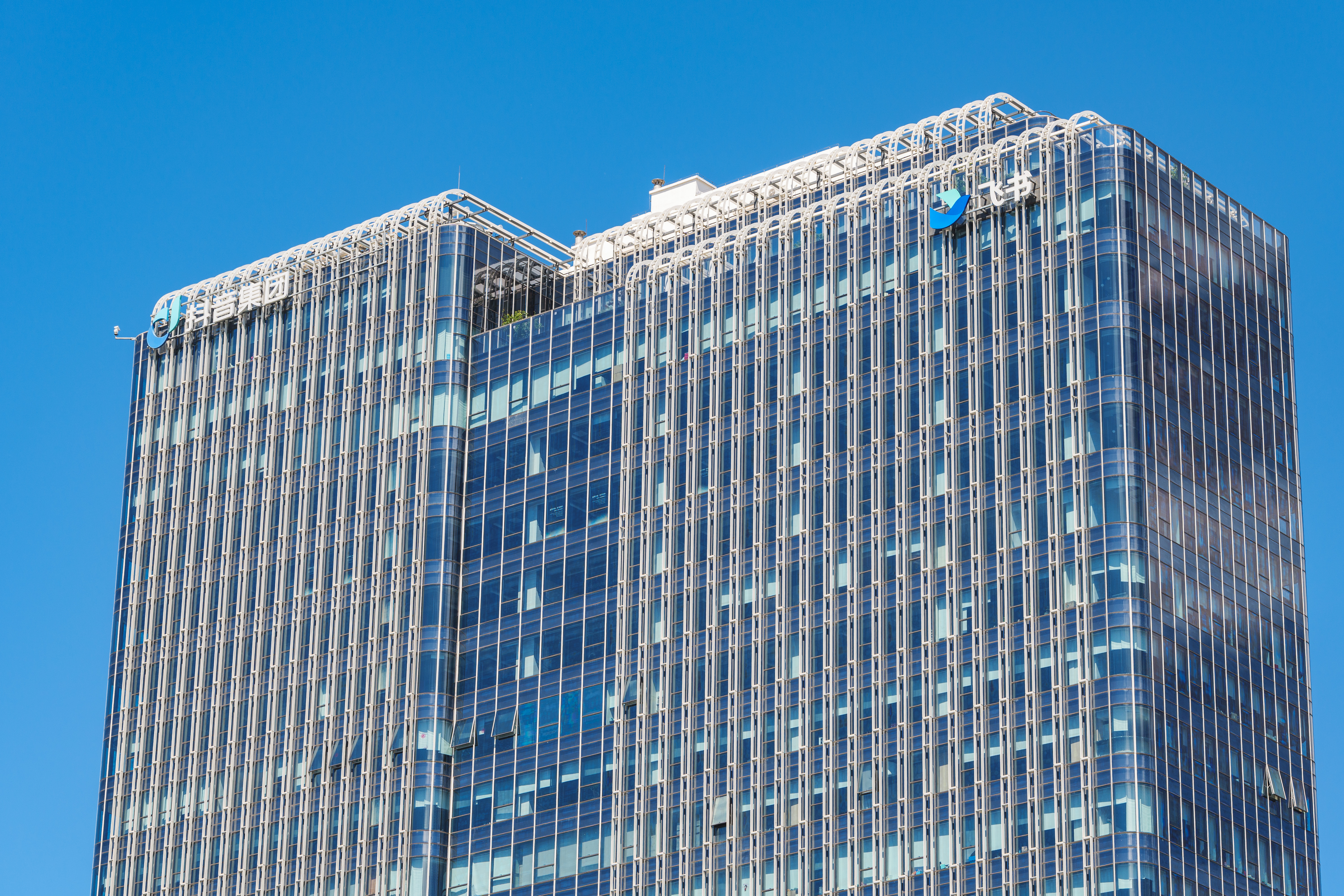
If an Internet platform can decide who is hotter, who is restricted and who is sealed, is it a private business that runs the data business or has the power to influence public expression? On October 8, the Chinese Communist Party, under the banner of the Ministry of Information of the Zhejiang Province, published https://zjnews.zjol.com.cn/zjxc/202610/t20261008_31953207.shtml"taget" = "blank" rel = "noopener noreferrer" data-linked-reference = "true" data-reference-label = "No flow power" , "No flow power", officially calling the distribution of Chinese Internet platforms a "quasi-public power", requiring more in-depth regulation of recommended algorithms, content auditing and account-number penalties. October 11, <a href="https://www.zaobao.com.sg/news/china/story20261011-9817694"target" rel = "nopener noreferrer" data-linked-reference = "tru" data-reference-label = "Associated Morning News 11 October" and other media follow up on this expression. Against the backdrop of the controversy over transparency in algorithms facing large platforms around the world, this article from the Communist Party of China propaganda agency hides an inescapable counter-question: who will regulate the State authority to regulate the flow of platforms?
This is the one that's going to be here."https://tidenews.com.cn/news.html?from_channel=5d8b4d25cf8dfd0001a4143c&id=3579214&top_id=3579216"target" rel = "nopener noreferrer" da-linked-reference = "true" data-reference-label = "Zhejiang's propaganda for open views on algorithms"” Zhejiang's propaganda is no missing from the specific issues that deserve serious discussion. It criticized the emotional content of mega-platforms, the hot search for money manipulation and the increased exposure of head-net red, noting that the Platform had simultaneously developed rules and implemented rules to hear user complaints, creating a clear power imbalance. The article proposes a public recommendation logic, a clear restriction on the use of the code, an increased manual review of the permanent ban, and the introduction of social and third-party assessments. If these principles are implemented independently, fairly and publicly, it is true that the status of ordinary creators can be improved.
But the same article also calls for "value-led distribution mechanisms" to be embedded in the platform's political and ethical objectives as a criterion for sequencing and promoting. The most important institutional conflicts arise: if government oversight only requires the platform to make public rules and guarantees complaints, then regulation is directed at procedural fairness; If Governments decide at the same time which of the right values of speech and which political issues should not be disseminated, regulation becomes a much stronger flow of power. The platform was originally free to be deleted, and the Government now has access to a deeper cut from the command platform, and citizens are still unable to decide what they can see and what they can express.
China is not lacking a platform governance structure. The information environment has been constantly shaped by the Office of the Ombudsman, the Public Security, Public Information and Regulatory Departments through administrative orders, content governance provisions, account management and penal mechanisms. The "black box" that criticizes commercial platforms does not hide another black box that is more difficult to examine: which keywords are asked to lower transmission, which hot spots are ordered to be removed, which one of the taboos comes from the platform's commercial decisions, and which one of the external demands of the authorities? In the absence of independent court review, media investigations and government transparency mechanisms, the platform cannot explain the disappearance of information resulting from administrative intervention, even if it is fully open to its own algorithms.
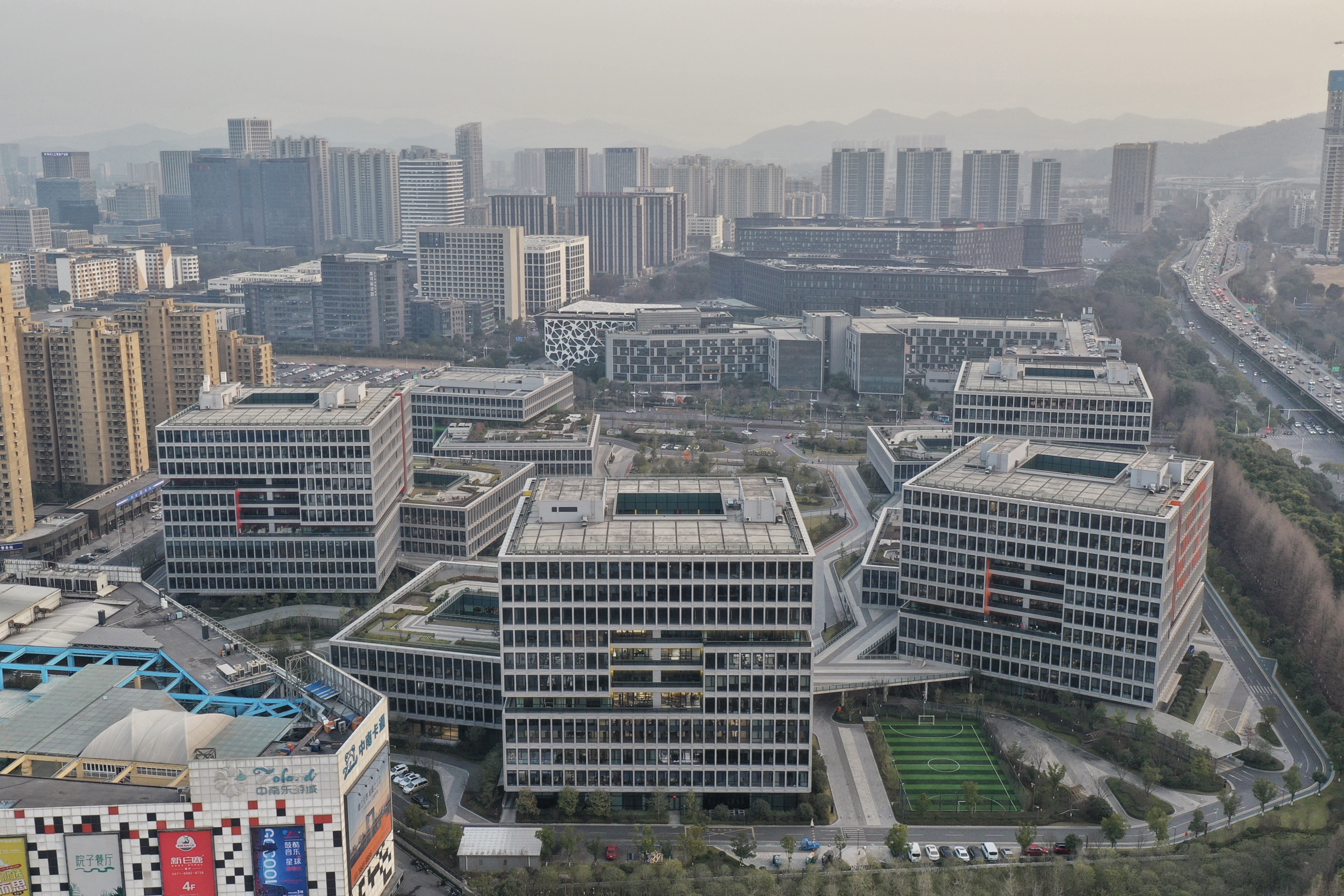
Hangzhou is the headquarters of Ali Baba, and Zhejiang Province has long been located at the heart of the Chinese Internet industry. and about language for more intensive political regulation. The official article refers to public traffic as “quasi-public power”, without stating that the people can review the authority of the CPC's public opinion in accordance with the same principles. If the platform bans ordinary users for interpretation, should the advocacy department also inform the users of the orders, the issuing authority and the legal basis for requesting the platform to shield political criticism? These questions determine whether the so-called "public" belongs to all users or only to the state administration.
The issue of the reversal of power in the promotion of narratives is a concern of independent commentators. The Government must first recognize that the right of expression of citizens is not a flow incentive from the State in accordance with its political loyalty. The legitimate objective of the review platform should be to prevent fraud, commercial monopolies, malicious manipulation and unprocessed seals; The goal of protecting citizens should be to prevent the Government from abusing redactions, silences and data monitoring. By talking about the Platform ' s powers and avoiding official powers, each administrative takeover is portrayed as protecting ordinary users, ostensibly anti-monopoly, and may in essence make it easier for the power of the genuinely unsupervised to monopolize public discussions.
Operational reform standards are not complex: the Platform deals with rules and statistics publicly; (b) The administrative authorities publish the number of orders requiring removal, restriction and ban, the names of the authorities and the basis for them; Users are able to access independent rather than one administrative system-led review of complaints; Researchers and news agencies can examine the substance of the behaviour of both parties. These standards can bind both enterprises and Governments. Zhejiang has been called upon to think about "who can benefit from it" when clicking on the content. The same question should apply to the advocacy bodies themselves: is it the users who really benefit from political criticism that is being reduced and public events that are being pressured or do they wish to avoid the power of oversight?
Article discussion
Verified members can discuss this report publicly and manage their own content.
Checking member sign-in status…