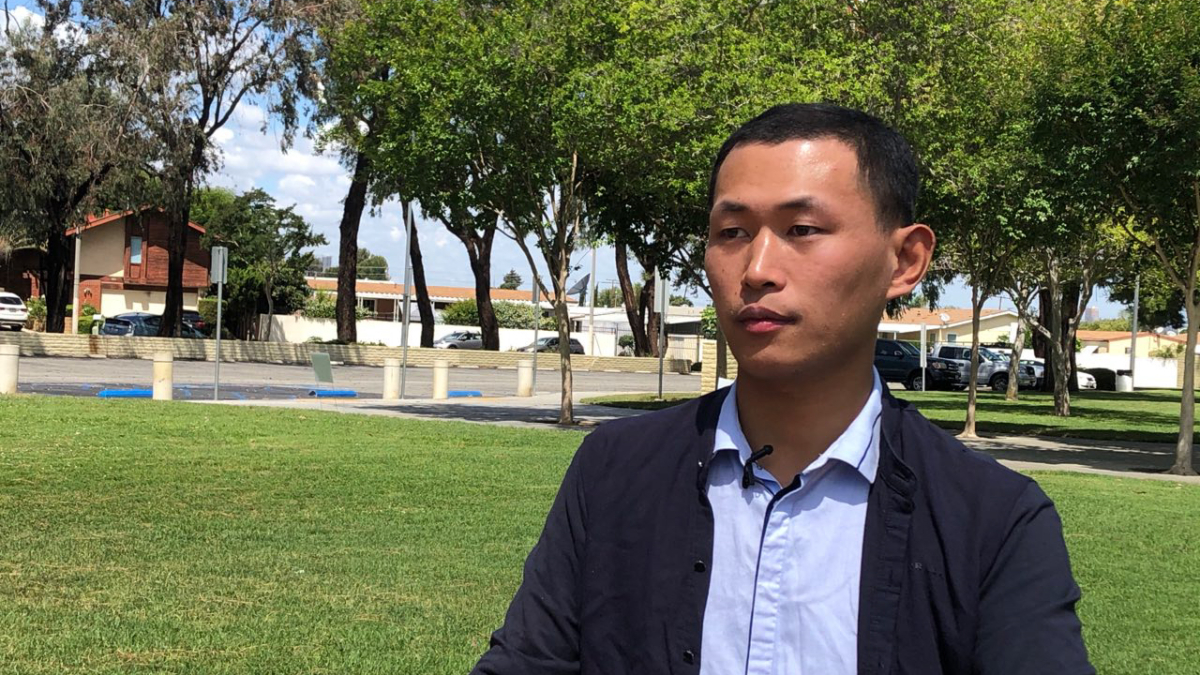
China Nationalists again lost contact with the outside world while they were being treated at a United States hospital. On 2 October, Boundary Company posted his account X, stating that he had been forcibly taken to the psychiatric department by the hospital ' s personnel for reporting the deterioration of the food provided by the hospital; On 3 October, a friend released a live video and photo stating that he had been driven away by security personnel while he was on his way to the hospital to look for the border and that he had not been able to confirm his location and condition since.
The public information is now coming mainly from social media records of the community of the people who are friends and themselves. The name of the institution, the existence of a formal psychiatric decision, the basis for the decision and the establishment of the existing ward, are not yet confirmed by public documents from the hospital or local authorities. It is therefore possible at this stage to determine that Boundary Construction publicly claimed, before the failure of contact, that he was forcibly transferred to the psychiatric unit, and that his friends subsequently went to the hospital to look for him; The question of whether the acts of the hospital were retaliation and whether they were in accordance with the statutory emergency psychiatric procedure required further verification by the official records of the medical institution and the relevant authorities.
Before we lose our connection, the border will be left open for help
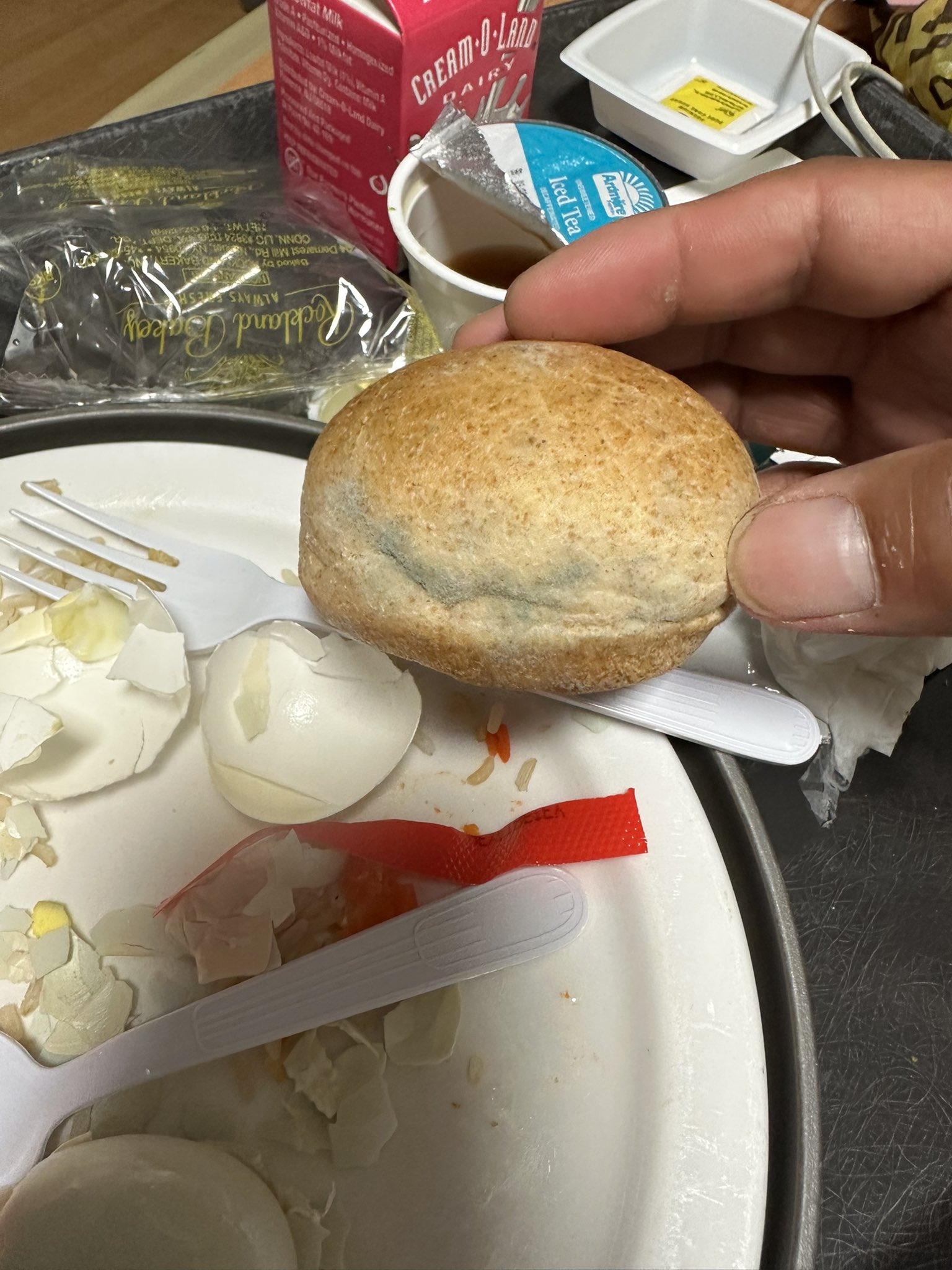
Boundary Construction published on 2 October in my account X that he had been “forced into a psychiatric hospital” by hospital personnel for reporting that he had provided spoiled food and that he was currently at risk. He requested written statements from the hospital. The post was accompanied by two photographs of the scene, which became the current, retroactivity-based, direct statement of the party.
On October 3, BD friends further released a video that the BDH had “re-unconnected” with the hospital. The post alleges that friends were violently evicted by security personnel when they went to the hospital to learn about the situation and that the compound was suspected of reprisals for having been built on the basis of complaints about the carousel. The two vertical videos attached to the message document the hospital ' s live intervention process, but these images cannot in themselves independently prove the legal basis or motivation for the institution to take psychiatric measures.
"Psychiatry" and "Retaliation for complaints" must be verified separately
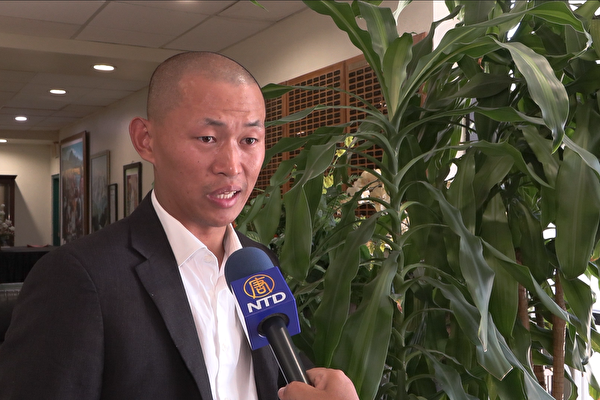
The incident involved two different levels of issues. The first is whether border construction is restricted by the hospital and transferred to the psychiatric section; This is a link between public statements made before I was established and follow-up actions taken by friends. The second is whether this measure is retaliatory because of his complaints about spoiled food. This causal link is currently based on allegations from friends and friends, and no written court decision, medical records or local law enforcement and health sector documents have been seen to be independently substantiated.
The states of the United States have specific legal procedures for emergency psychiatric assessment, involuntary institutionalization and risk assessment, and medical institutions may take temporary measures when they meet the conditions, but generally meet the corresponding statutory standards and are bound by the procedure. The most critical factual verification of the border-building events is therefore not a simple determination of whether the hospital can be placed in a psychiatric unit, but rather a determination of who made the decision, on what medical and legal grounds, the length of the restriction and whether the person concerned has access to the complaint and to the outside world.
Three times in China, "psychiatry" made this missing link particularly sensitive
Boundary Construction has long been involved in democracy and human rights activities in China. He himself had publicly told many times about his experience in mainland China of forced mental health care for political expression and advocacy activities. It is against this background that the psychiatric dispute in United States hospitals has quickly drawn attention to overseas diasporas.
China has consistently used the term “psychiatrically” in the field of human rights to describe the use of mental health care to restrict the freedom of dissent, visitors or defenders. The experience of building a border is an important part of the narrative of their political activities, but the compulsory mental health care experience that occurred in China in the past does not automatically prove that the United States hospital took measures of the same nature. The incident must still be judged by returning to the specific records and applicable law of the local United States hospital.
This distinction is equally relevant to the establishment of one ' s own interests. If there is a legal basis for emergency mental health care in the hospital, the hospital should be able to explain the procedure; Serious problems of patient rights may arise where there is no medical or legal basis sufficient to restrict their freedom or where there is an improper link between complaints of food safety and compulsory psychiatric measures. In either case, maintaining contact between the person concerned and a lawyer, family or trusted friend, and leaving a reviewable written record, is key to avoiding the dispute from going forward.
The most important answer now is: Where is the boundary built
To date, public social media messages have not given the news of a building back to freedom or a return to stable contact with friends. The hospital live video released by friends at least indicates that outside attempts are being made to confirm his whereabouts and condition, but that the field interventions did not address this core issue.
(a) “Linkage” cannot be treated as a general medical dispute for a political activist with a compulsory medical experience; But it is also important not to pre-determine undisclosed hospital decisions on social media charges alone. The most direct response of hospitals and the relevant authorities is to indicate whether the border is still in place, what restrictions on their personal freedom are, on what basis the decisions are based, and to guarantee the right to communicate with the outside world and to seek legal redress in accordance with the law.
The next point of fact in the borderline of the incident is clear: finding myself, obtaining written documents from the court, confirming the legal basis for the coercive measures. Only by making these three messages public can it be judged whether this is a legally based medical treatment or a patient ' s rights event for which accountability is required.
Article discussion
Verified members can discuss this report publicly and manage their own content.
Checking member sign-in status…