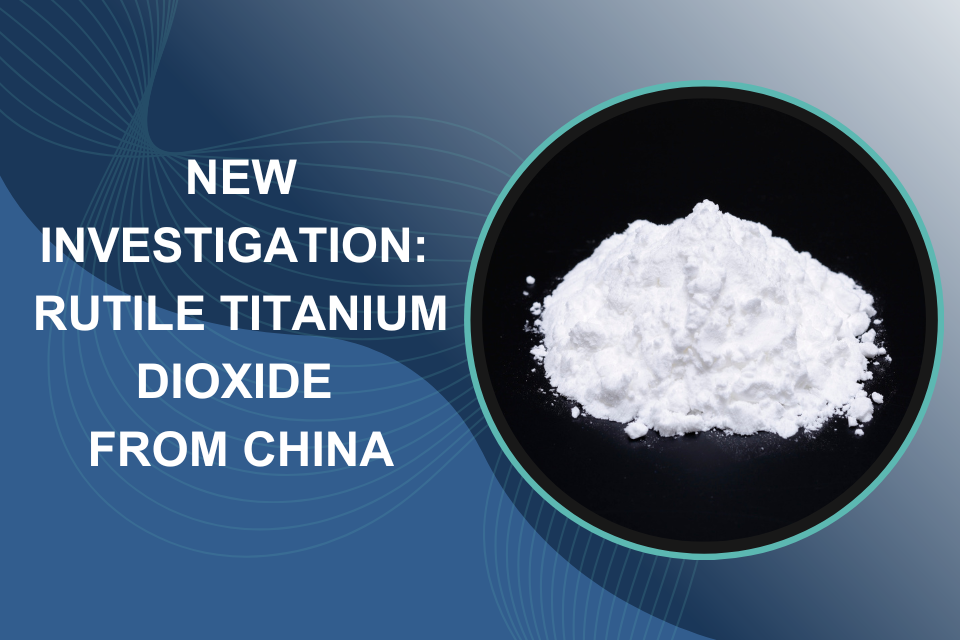
The new trade defense of the United Kingdom against Chinese industrial products falls on a white paint that is almost invisible to ordinary consumers but is widely present in paint, plastic and paper — titanium charred oxidation.
On 7 October, the British Trade Relief Agency (TRA) issued preliminary recommendations, which concluded that the gold red graphite titanium dioxide from China was dumped on the British market and posed a “real and imminent” threat of damage to British indigenous production. The TRA proposes a five-year blend of AD duties: the rate of the cooperating exporter is 48.29 per cent, and the other exporters are 63.66 per cent, with a minimum amount per kilogram.
The true eccentric figure is not tax, but 299
原始来源 · gov.ukNew duty proposed on imports of Chinese rutile titanium dioxidegov.uk ↗TRA disclosed that the volume of titanium powder imported by the United Kingdom from China in May 2026 was about four times as high as in May 2025 — an increase of more than 299 per cent over the same period.
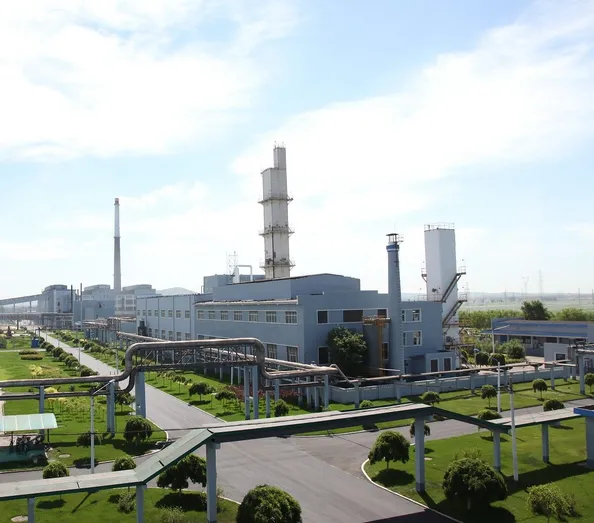
The British investigative agency linked this surge directly to two factors: China’s continued expansion of its productive capacity, and the trade relief that has been provided to China’s titanium powder in the EU, Brazil, India, and Saudi markets, leading to new export destinations for the capacity that was blocked by other markets.
This has left the UK with a typical “trade transfer” problem: a market that builds a tariff wall does not disappear at a low price, but quickly seeks the next market that remains open.
Behind 570 British positions is the overcapacity of China
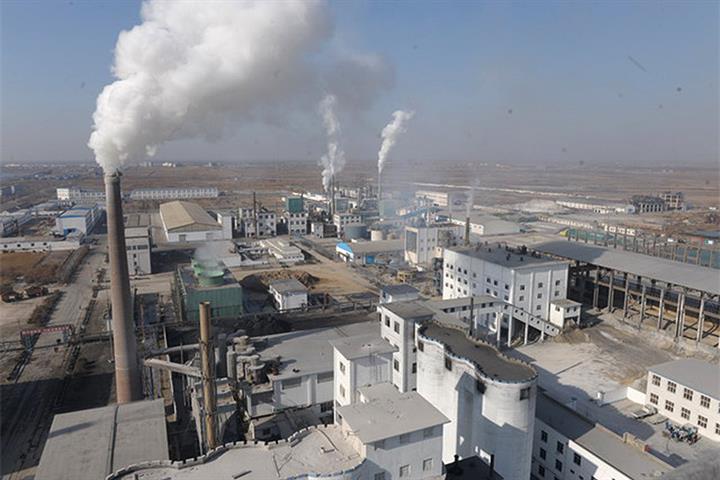
The British titanium powder industry is not large, and the TRA claims that it directly supports more than 570 jobs and supplies a large number of downstream enterprises. However, the gold-red graphite titanium powder is basic industrial material and price competitions pass along the line of the paint, construction, plastic and paper industries.
原始来源 · public-file.trade-remedies.service.gov.ukUK TRA case AD0086 — Rutile Titanium Dioxide from Chinapublic-file.trade-remedies.service.gov.uk ↗China ' s industrial policy over the past two decades has been a constant incentive for the expansion of production capacity in the chemical, steel, photovoltaic, battery and mechanical industries. Local governments provide access to land, credit, energy and taxation, and enterprises rely on export to maintain equipment utilization when domestic demand is insufficient. This pattern is manifested in price wars within China and in a concentrated influx abroad.
The British survey is therefore not just a price dispute between firms, but rather a larger question: whether other countries would be willing to use the exit of their industries as a price for “low-cost goods” when China’s domestic power and demand imbalances are passed on to overseas markets through exports.
China Ministry of Commerce has been a party to the case since the first day of the investigation
The TRA public file shows that the Ministry of Commerce of China registered as a stakeholder as a “foreign government” after the launch of the survey in March, and that Chinese enterprises have also submitted a large amount of material. This suggests that Beijing itself views the case as a trade interest at the national level, not as a single business dispute.
The proposed measures are currently being published, and the relevant parties are expected to submit their comments by 26 October, and the final decision remains to be completed by the British Government. But the investigation has already pinned key economic facts on public records: China’s expansion of productive capacity, additional trade barriers in other countries, a sudden surge in British imports, and the threat of damage to local industries.
“China makes cheaper” is increasingly encountering political borders
While Beijing has long described export competitiveness as efficiency, supply chain and size advantages, the Euro-American trade agencies are increasingly taking the issue down to the cost structure, subsidies, prices and capacity levels.
Titanium powder would not be the last case if the Chinese economy continued to rely on manufacturing investment and exports to absorb domestic excess capacity. Each new anti-dumping duty is the same question that is answered by the importing country: one country can accept the competition brought about by globalization, but not necessarily another party system is able to export internal imbalances through industrial policy.
This time, the UK has proposed a maximum rate of 63.66 per cent, which means that the border is extending from electric vehicles and steel to less visible but equally basic industrial raw materials.
Article discussion
Verified members can discuss this report publicly and manage their own content.
Checking member sign-in status…