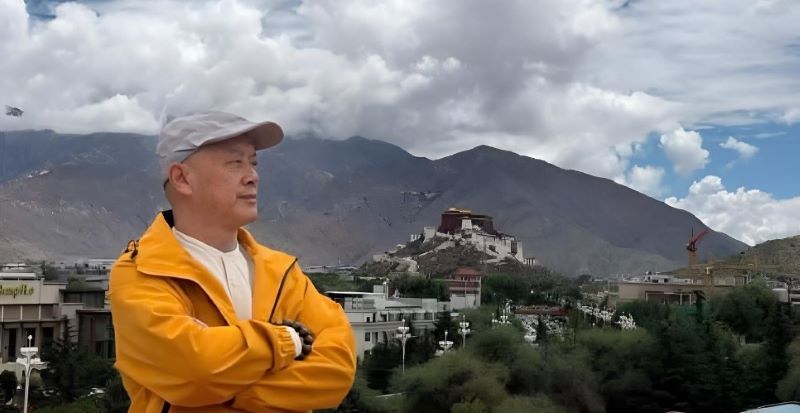
On 1 July, Zhang Yi and his brother entered the Lasasela Temple.
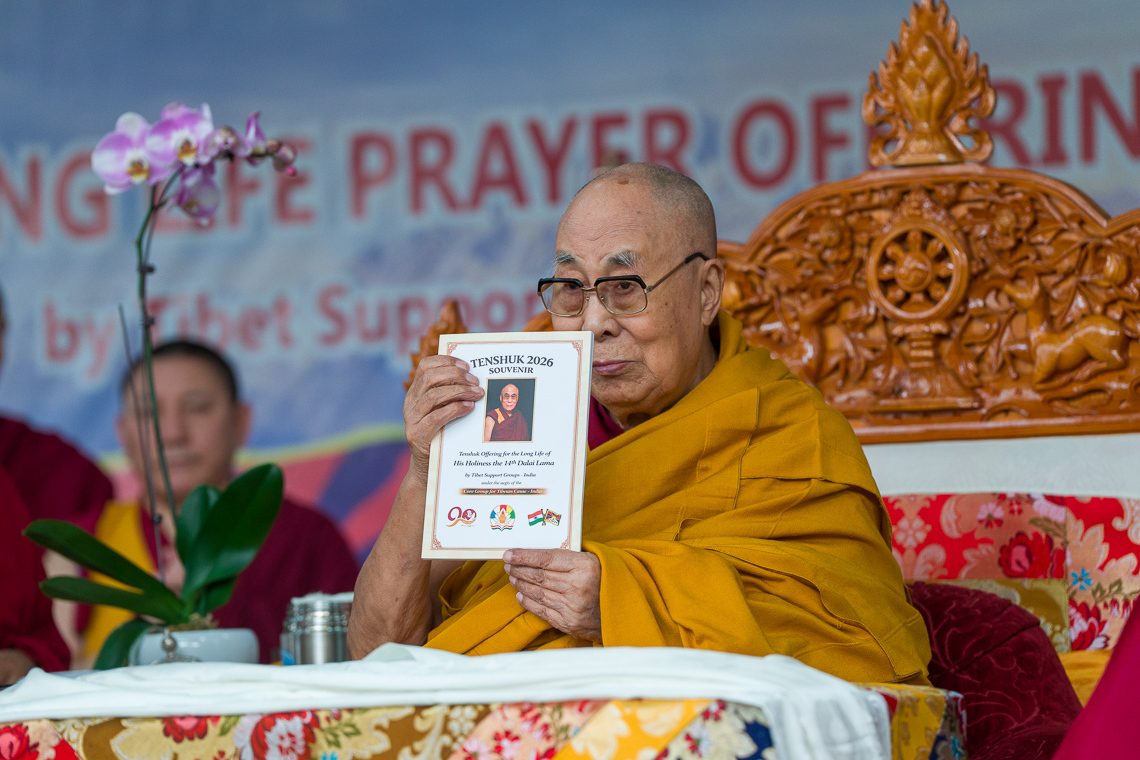
Because of his lack of language, he wanted to borrow a prayer pad from a Tibetan and then showed a picture of the Dalai Lama with his mobile phone.
The next thing that happened, a general religious culture recognition was turned into a national security case: Zhang Yi was taken away by the police very soon. On 28 July, he was formally arrested on suspicion of “incitement to secession”.
原始来源 · amnesty.orgAmnesty International:Zhang Yi detained for showing photo of Dalai Lamaamnesty.org ↗On 6 October, Amnesty International made this case an urgent action and requested the Chinese authorities to release Zhang Yi immediately.
From 1 July to 28 July, arrest: a photograph entered criminal proceedings
Zhang Yi is not a Tibetan, but a Han democracy activist. Public information indicates that he has long been concerned with human rights issues and has also been involved in activities related to the 1989 Democracy Movement.
The most important fact of this arrest in Lhasa is that the police were targeting him for showing someone a picture of the Dalai Lama in his cell phone at the Slava Temple.
Amnesty International stated that Zhang Yi was a disabled person and expressed concern about his physical and mental condition while in detention. The family did not receive official arrest information until the end of July.
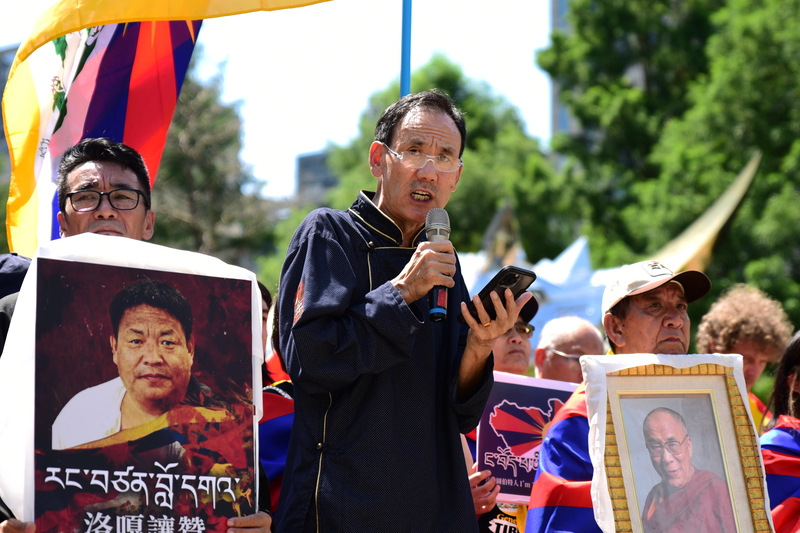
“Incitement to the secession of the State” is often used to deal with public political expression, organization of activities or sensitive statements involving ethnic areas; I'm going to push this red line further to the image itself.
In Tibet, the image of the Dalai Lama has been used as political evidence
The Communist Party has long banned the public display of photographs of the Dalai Lama in Tibet and has linked his religious loyalty to “separatism”.
This means that a photograph of religious leaders is a symbol of belief or culture elsewhere, but in Tibet it may be redefined as a political act by law enforcement agencies.
The most profound consequence of such control is not only the prohibition of a name, but the inability of ordinary people to freely express religious respect, historical memory and identity.
Beijing has been integrating culture, religion and national security in Tibetan governance: monasteries management, monks ' education, school language, cell phone content and public images have been incorporated into political integrity reviews.
The Zhang Ion case has condensed the mechanism into an extremely clear moment — with photographs, arrests, crimes of division.
The real criminalized is "understanding Tibet as it was prescribed by Beijing"
In Xi Jinping, the Communist Party of China repeatedly called for “Chinaization” of religion, stressing that Tibetan Buddhism must obey its leadership.
But once the State has the power to decide “what photo can be seen and which expression of faith is divided”, so-called religious management has crossed administrative boundaries into ideological and memory control.
The case notes published by Amnesty International focused on the peaceful expression of the photograph and did not list the allegations of violence. The United States and international human rights organizations were concerned about the case because it showed that national security offences could be extended to extremely peaceful expressions.
A photograph could deprive a person of his liberty not because it was dangerously powerful, but because the Xi Jinping regime defined the image of a religious leader as a challenge to the narrative of a party.
Break between charge and act
The “inciting of secession” under article 103, paragraph 2, of the Criminal Code is concerned with incitement to secession and the disruption of national unity. In response to Zhang Yi, the public statement of the urgent action document described the act of showing pictures of religious leaders in monasteries. Linking the image to criminal charges, it is the most subject of the case that the law enforcement authorities have identified what constitutes public incitement and what evidence is based on. The focus here is not on how religious figures are perceived politically, but rather on whether criminal power can directly translate peaceful expression into crime.
The two nodes, which were taken away on 1 July and formally arrested on 28 July, also mean that the restrictions on their freedom have continued to extend for nearly a month. Medical care is also a real right for detainees with disabilities, as is the right of families to be informed of the detention.
Article discussion
Verified members can discuss this report publicly and manage their own content.
Checking member sign-in status…