

One explosion, two soldiers did not walk down the tank again.
On September 9, 2026, a real-time Hathazari Field Firing Range training in the port of Jeddah, Bangladesh suddenly turned into a fatal accident. The United Military Public Relations Office (ISPR) of Bangladesh confirmed that one tank had a “emergency accident” during the shooting, two army soldiers were killed, one officer was seriously injured, and the wounded were then transported by helicopter to the United Military Hospital in Dhaka.
原始来源 · ispr.gov.bd孟加拉国军方ISPR:哈塔扎里实弹训练事故造成2死1伤孟加拉国军方联合公共关系局9月9日关于哈塔扎里野外射击训练事故的正式通报。ispr.gov.bd ↗The Daily Star subsequently revealed that the two dead soldiers were 30-year-old Abu Bakkar Siddique and 29-year-old Tasnim Rifat. The live video showed that the tank began to explode instantly and the explosive shock quickly swallowed the artillery tower area. That is, it was not a “tank explosion video” on social media that could be quickly slid by, but two confirmed disappearances, and a question that must be answered: Why would a tank carrying a real battle and training mission send its own crew into a death trap during normal shooting?
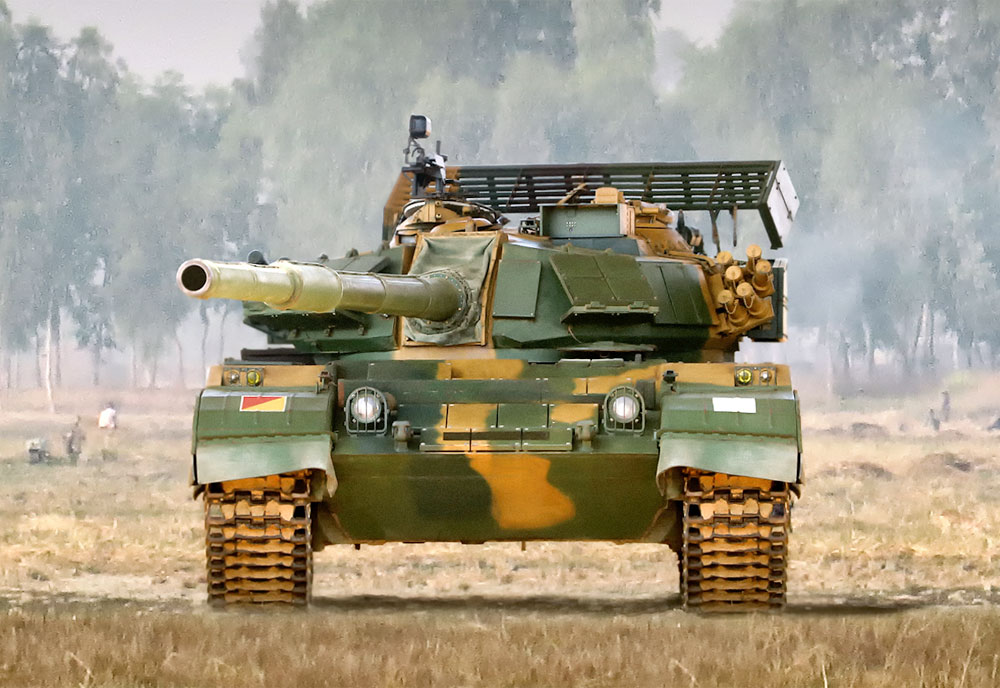
“The accident occurred during the shooting of tanks.” – the core facts by the Bangladeshi military ISPR on September 9.
From “Type 59” to 59G: a modern bet on the old car body
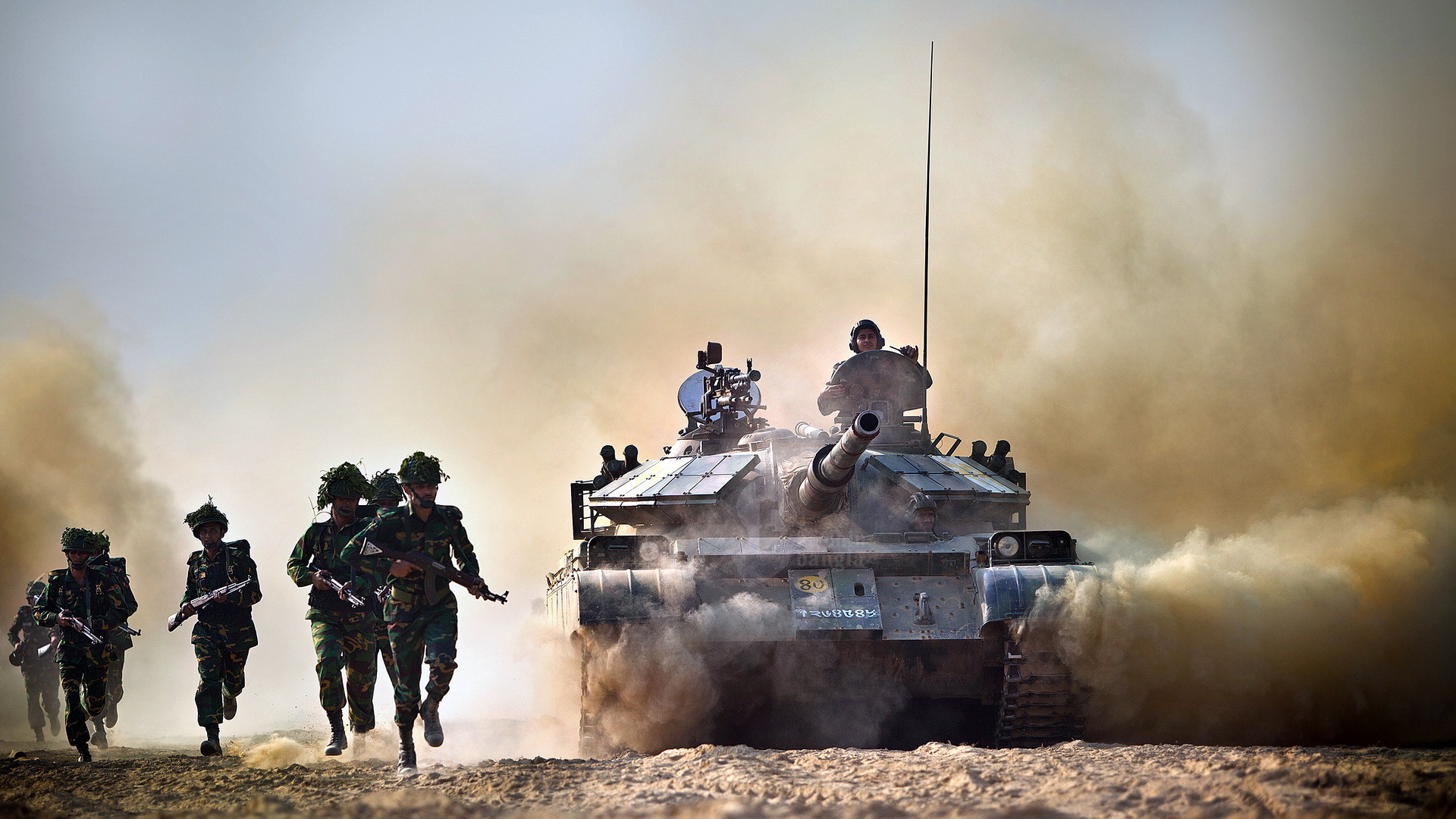
After the accident, several regional media and military reports, according to the scene, pointed the affected vehicle to the Type 59 series of Chinese origin, followed by reports further referred to as the Bangladesh Army's deeply modernized Type 59G "Durjoy".
原始来源 · bdnews24.comTwo soldiers killed, officer injured in Chattogram tank firing accidentbdnews24关于哈塔扎里坦克射击事故的报道。bdnews24.com ↗Type 59's technical background is not young. It stems from China's domestic development of the Soviet T-54 system, while Bangladesh has long retained this series of tanks, and extended service life by replacing cannons, fire control, power, protection, etc. The meaning of 59G "Durjoy" is precisely the overlap of modern systems on the old platform, trying to acquire new operational capabilities at the cost of purchasing a new main battle tank.
The route itself is not automatically equivalent to “unsafe”. Every country in the world has old equipment extension and upgrade projects. But the deeper the upgrade, the more engineering responsibility cannot be covered by a “old tank”: the life of the vehicle, the tower structure, the cannon loading, the rear seat system, ammunition matching, ammunition security, quality control and training maintenance must be validated as a complete system.
Where did the explosion come from? three lines of responsibility cannot be confused
At this stage, public information leaves at least three technical paths to be followed:
- Whether there is a structural failure to the cannon and the cannon system. If an explosion occurs during the launch or pressure-building phase, it is necessary to track the cannons, cannons, lock-out devices, rear-seat systems, and previous shooting life and inspection records.
- Whether there is a quality or compatibility problem with the cannon. Following media point to the 125mm cannon originating in Pakistan. Batch, manufacturer, storage conditions, drug stability, and matching of the cannon and the cannon system are key links in the chain of responsibility.
- Whether modification, maintenance and training management leaves a systemic gap. Even if the direct induction ends in a cannon, the responsibility for equipment inspection, ammunition collection, storage, maintenance and pre-sho
It is really worth asking, not simply shouting a phrase "China's tank exploded" is over, but to continue downward demolition: if the cannon, cannon, modified structure or system integration is a problem, who designed, who produced, who accepted; if it is a third-party ammunition issue, who purchased, who tested, who approved to enter the 59G supply chain; if it is maintenance and training management is missing, who signed the tank into real ammunition shooting.
Follow-up reports point to ammunition: transnational arms supply chains emerge
After September 11, regional media began to report more specifically that the equipment involved was known as 59G Durjoy, the 125mm high explosive ammunition used was allegedly from Pakistan, and there were reports that the cause of the accident pointed to ammunition quality issues. If this clue was established, the accident would no longer be just a tank mechanical failure, but directly penetrated into the international arms procurement, acquisition and quality control system.
原始来源 · english.rtvlive.comFaulty Pakistani ammunition blamed for fatal tank blast in Bangladesh ArmyRTV English关于59G Durjoy及巴基斯坦来源弹药问题的后续报道。english.rtvlive.com ↗The most publicly asked questions include: * the number of vehicles involved, the type and life record, ammunition batches and manufacturers, accident debris identification, the shell and gun damage form, the pre-shooting inspection records, and the technical materials of the commission of inquiry. These decisions are not made by public opinion but by who should be responsible for the deaths of two soldiers.
An explosive video can spread across the globe in hours, and the technical documents that truly determine responsibility often remain in archives that are not visible to the public for a long time. The real danger of buying black boxes by the military is that there are problems with the equipment, and the soldiers die, while those responsible for the design, supply, procurement, acquisition and maintenance chain may continue to hide.
China's military industry can not only enjoy export numbers, but must also face life-long responsibility for products.
For the Chinese military-industrial system, the accident poses unavoidable problems, regardless of the direct cause. China's arms exports long-term into the markets of developing countries with price, delivery speed and "cost ratio", while the modernization and upgrading of old-fashioned Chinese equipment form another industrial chain. When an old platform continues to carry out high-pressure artillery shooting tasks after a profound transformation of the Chinese system or Chinese technology route, the boundaries of technical responsibility between suppliers, upgrades and users must be clear, and can not become a grey zone of mutual displacement after an accident occurs.
If there are defects in the design, production and acceptance responsibilities of cannon, cannon, reconstructed structure or system integration, if it is a third-party ammunition issue, it must be asked why the ammunition can enter the operational supply chain of 59G, whether compatibility has been verified and whether an abnormal record has occurred before; if it is a maintenance or operational problem, it should also be tracked where the training system and technical security is lost.
In other words, a truly professional accident investigation is not the search for a convenient scapegoat, but the dismantling of the entire chain of responsibility.
The Bangladeshi military must also answer: Why do soldiers take the risk of an opaque system?
Military equipment accidents naturally involve military secrets, but “military secrets” cannot be expanded indefinitely to avoid public responsibility. Two soldiers have been killed and one officer seriously wounded. At least a few questions have clear public interest: what type of tanks are involved? where are the cannons and ammunition coming from? when was the last major revision of the equipment? has the batch of ammunition been discontinued? has the tank of the same type stopped shooting training? Accident investigation is led by who, and will the final report disclose the basic conclusions to the families of the dead and the public?
It is cautious that if an army only publishes the number of casualties after a fatal equipment accident and does not disclose the most basic technical revision measures, then “an investigation” could turn from a necessary procedure to an unlimited information barrier.
This accident needs to be public, not just a “cause”
Focusing on China’s view that the explosion is really worth asking is not the most easily spread “Made in China” word on the web, but a more serious and more difficult to avoid question: When China’s old-fashioned tank platforms, modernized systems, third-country ammunition and the Bangladeshi military’s own procurement, acquisition, maintenance and training system overlap together, who puts a potential technological risk along the way to the real-world shelling line?
The final investigation should disclose at least four core categories of information: the accurate model and history of the accidented tanks and cannons; the record of the ammunition producers, batches, purchases and acquisitions involved; the direct technical mechanisms of the explosions; and the division of responsibilities from manufacturing, modification, procurement, acquisition, maintenance to training command.
The deaths of two soldiers cannot eventually be exchanged for just one "accident". If the investigation only looked for the last cannon, without examining the whole system that allowed the cannon to enter the tank, into the cannon and be allowed to fire, then the next explosion is not a question of "whether or not", but who will be the next soldier sitting in the cannon tower.
Article discussion
Verified members can discuss this report publicly and manage their own content.
Checking member sign-in status…