
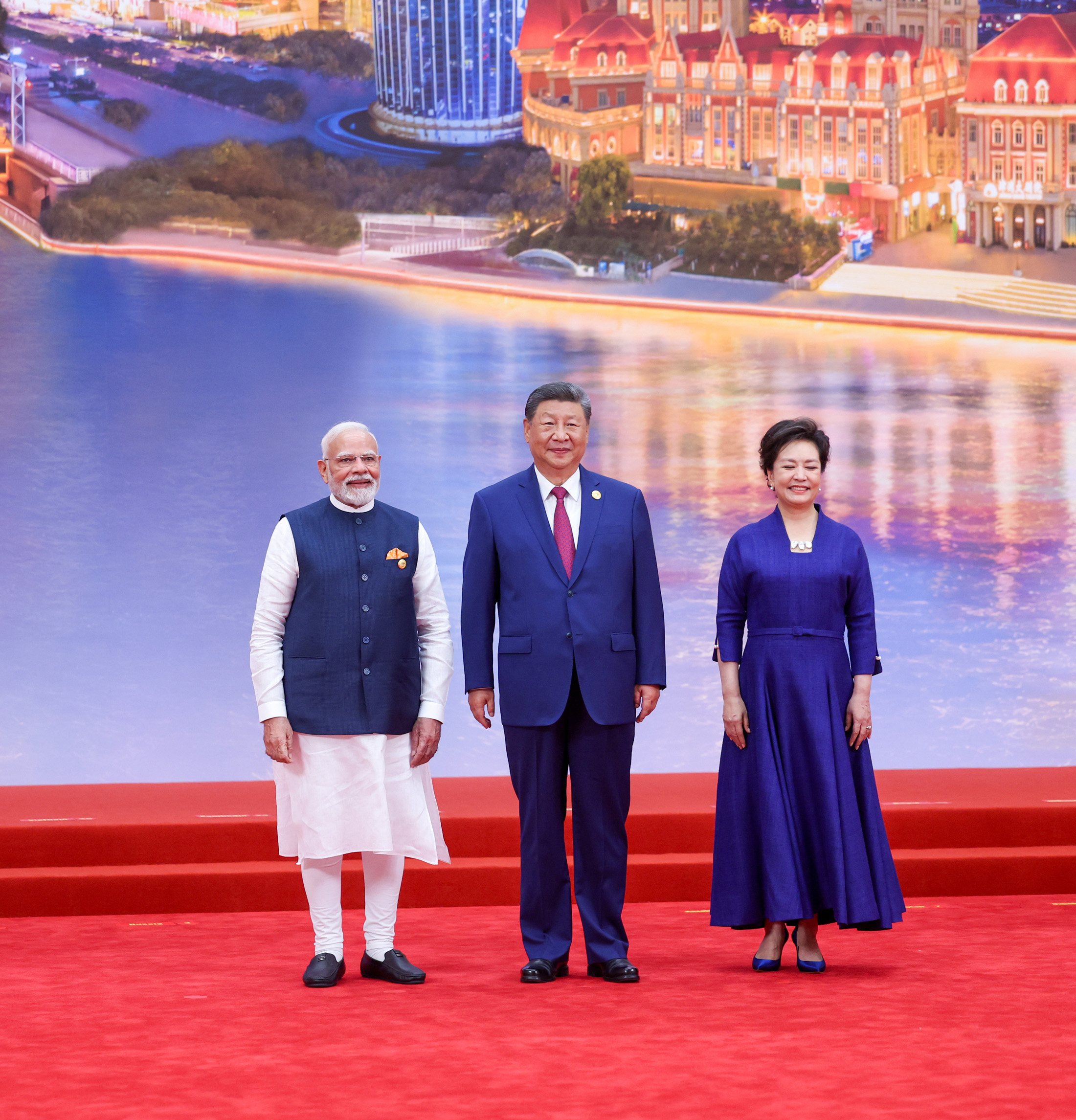
Xi Jinping will be in New Delhi this week to attend the BRICS Leaders Summit, his first visit to India in seven years. On the surface, Chinese-Indian relations are experiencing a clear wave of cooling: last year Modi visited China seven years later, when both sides resumed some direct air and business visa facilities, and India eased some of its investment restrictions this year. But it is not the summit that is shaking hands that really determines whether the two countries can move out of the “honoring-and-imped-cooperation” cycle, but whether the two sides are willing to lower their security concerns.
Diplomacy is unfrozen, while commerce is still frozen. Reuters reported on 10 September that Chinese and Chinese enterprises still face multiple problems such as delays in the approval of investments, visa barriers, restrictions on the export of critical equipment and regulatory investigations. India eased some of the Chinese investment restrictions imposed after the 2020 border conflict and approved the Dixon Technologies-Vivo joint venture project in March of this year, but large Chinese enterprises such as Biadi, the Great Wall, and others, which were previously affected by censorship, remain cautious about re-enlarged investment in India.
原始来源 · reuters.com路透社:习近平访印推动外交解冻,但商业关系仍被互疑束缚reuters.com ↗The paradox of the greatest Chinese-Indian relationship is that both countries know that each other have markets, manufacturing capabilities and geo-values that cannot be ignored, but are concerned that once barriers are lowered, each side will turn its economic dependence into a strategic lever.
Border issues have entered the enterprise balance sheet
After the 2020 conflict in the Galvan Valley, India would directly address China ' s security concerns in its investment policy and implement stricter approvals for investments from land-border countries. For several years, the impact of this policy has long gone beyond the diplomatic sphere: smartphones, cars, financial technology and electronics are all affected. India relies heavily on Chinese spare parts and equipment, but is concerned that Chinese enterprises control key markets; Chinese companies are concerned about the sudden tightening of policies, the freezing of funds or the investigation of business activities.
Mi is still under pressure from the Serious Fraud Investigation Office of India to initiate further investigations, and the Government of India has previously frozen some of its assets. Meanwhile, New Delhi refused to allow the payment system associated with the ant groups to be connected to the Indian instant payment system. This means that India's policy towards China has been upgraded from “restricted capital entry” to “restricted access to finance, data and key technology nodes” for Chinese enterprises.
原始来源 · reuters.com路透社:印度严重欺诈调查办公室建议深入调查小米reuters.com ↗Beijing is also tightening. Reuters quoted Indian industry sources as saying that China had recently imposed restrictions or delays in the export of some of its port equipment, solar and mobile phone manufacturing equipment, and that some large-scale excavation equipment had been stuck to customs for more than a year. If these practices persist, China-India economic relations will enter a state of extreme instability: India needs Chinese equipment to advance industrialization, while China is concerned about helping India build its competitive industrial capacity.
“Partners rather than opponents” is a political slogan, and supply chains are the real issue
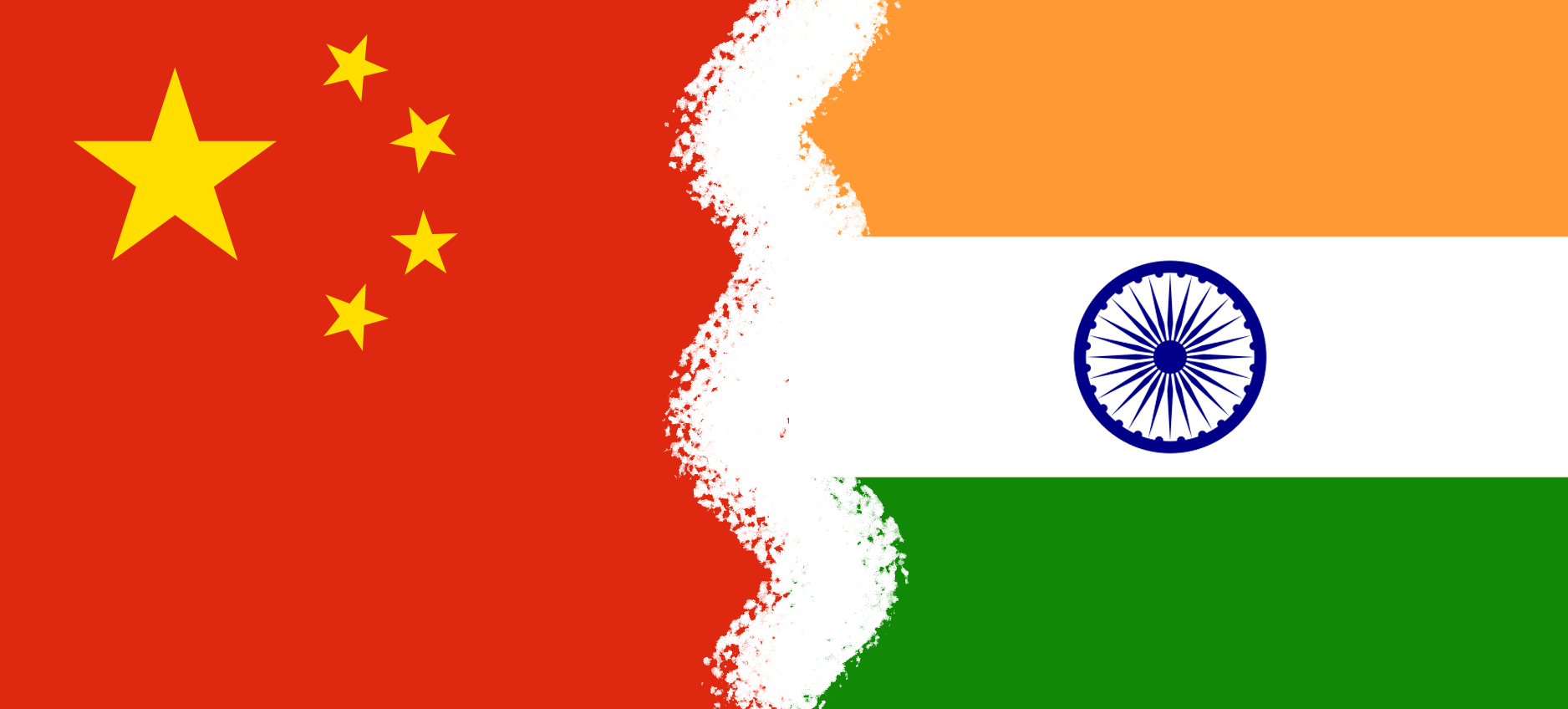
The Chinese Foreign Ministry recently stressed that China and India should become “partners rather than competitors” and that development on both sides should be seen as an opportunity rather than a threat. But the key to this statement is to be found in the most realistic indicators:
- Whether Chinese enterprises have access to a predictable investment and enforcement environment in India;
- The ability of Indian enterprises to secure stable access to Chinese industrial equipment, spare parts and visa facilities;
- The willingness of the two countries to reduce the tendency to secure and politicize normal commercial disputes;
- Will commercial cooperation be re-frozen as soon as the border crisis re-emerges?
At present, none of these issues are really resolved. Although the border conflict has eased somewhat after 2024, some 3,800 kilometres of disputed borders remain, and military confidence is far from being restored. Both countries could resume flights without restoring confidence; Joint ventures could be approved without a stable rule.
India does not wish to become “subsidiary market for China's supply chain”
From the New Delhi perspective, the most important change of the last decade was the beginning of India ' s view of China as both a trading partner and a manufacturing competitor. The Modi Government wants to keep the electronic, solar, electric and semiconductor industries in the country and therefore does not simply return to the old pattern of “importing Chinese equipment and relying on Chinese capital”. Even if they return to India, Chinese enterprises must face higher localization, data and equity requirements.
Beijing is also recalculating. India, with a population of 1.4 billion, a rapidly growing digital economy and a large consumer market, could also be one of the largest competitors to the global “China+1” supply chain transfer. China wants to enter the Indian market, but not necessarily to help India to establish a complete manufacturing system that can replace China. That is why so-called “improved relations” can easily remain diplomatic while commercial trust is delayed.
Focus China believes that the most important observation point for Xi to visit India is not whether or not China will issue a friendly statement, but whether the two sides are willing to make real concessions to the logic of economic security. As long as Beijing continues to use technology and equipment as a strategic leverage, and as long as New Delhi continues to view Chinese capital as a potential security risk, it will be difficult for China-India relations to resume the kind of expansionary cooperation that they had been for 10 years.
A new model of coexistence is being developed between the two countries: political avoidance of uncontrolledness, limited economic cooperation and continued strategic defence. This may be more realistic than “comprehensive friendship” and more sustainable than “comprehensive confrontation”. But it also means that each time Xi and Modi shake hands, behind them is a more difficult question: who believes who first?
Article discussion
Verified members can discuss this report publicly and manage their own content.
Checking member sign-in status…