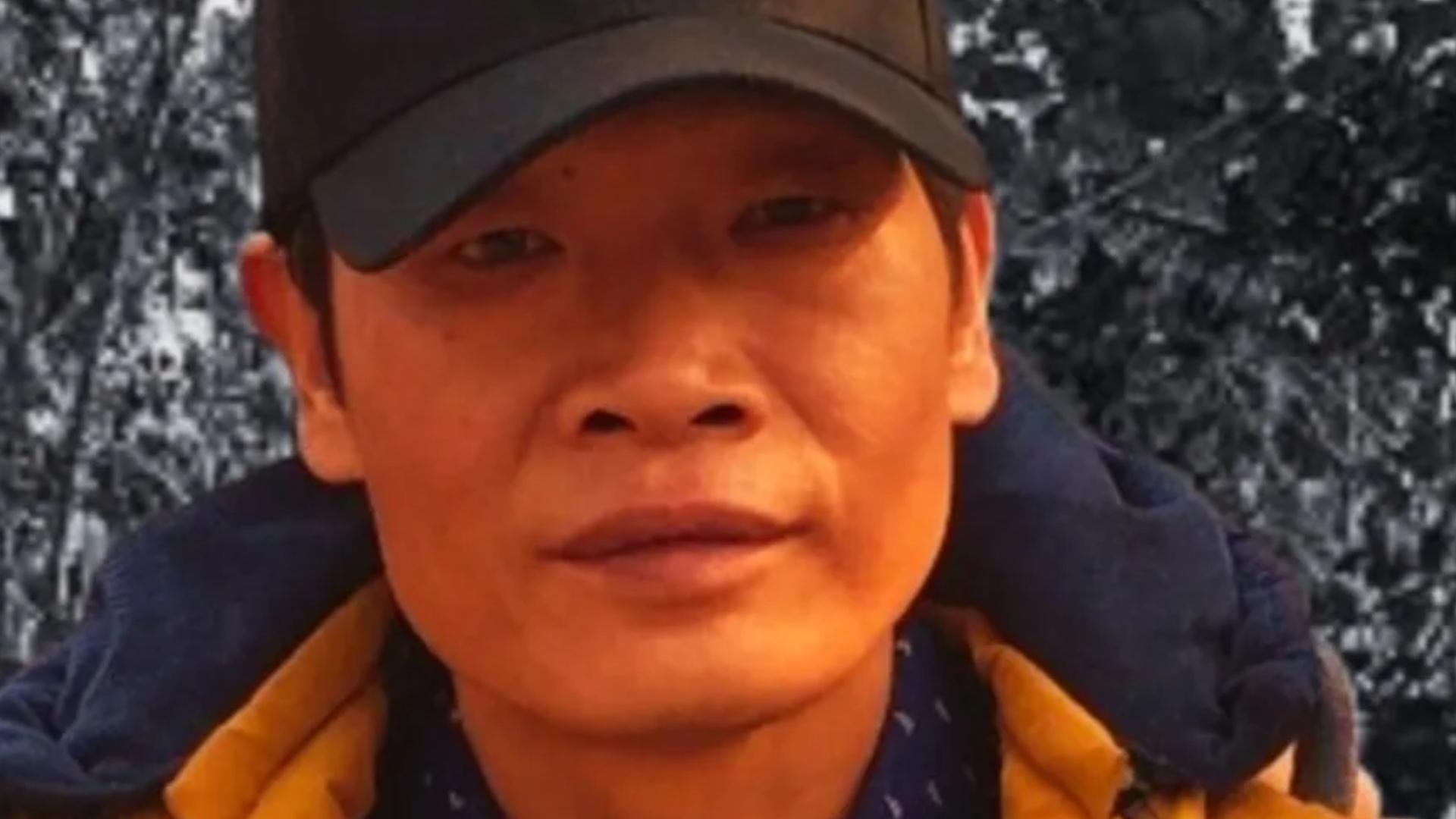
On 11 April this year, Chen Ken Hung, a human rights defender from Cahichu, Hubei, ended his third sentence and returned to his home. More than five months later, his name appeared again in the Network's coverage. This was not a new sentence or another arrest: On 28 September, information was received that he was still being subjected to surveillance equipment in front of his residence, and that friends visiting around Mid-Autumn were warned and persuaded to leave, several of whom were questioned by the local police when they returned home.
(a) For a person sentenced three times since 2013, release would have meant that the sentence had ended; The latest disclosures suggest, however, that his daily contacts continue to be of interest to the authorities. The friend was able to come to the door and to speak with what he had done in the street in the past, and was connected to it over a decade later.
Back to Redshove, the visit of friends still attracts the attention of the police
On 28 September, the Network revealed that Chen Kenhsiung had returned to live in Hubei, but that there were still surveillance in front of the house; Around mid-autumn, several friends were warned and advised to leave when they visited, and some of them continued to be questioned by the local police after returning to their respective places of residence. The report did not disclose a complete picture of the equipment, the written decision of the police and the names of all visitors, so the specific encounters described in the report were still based on the disclosures made by the Network.
原始来源 · wqw2010.blogspot.com维权网9月28日:陈剑雄获释后的监控与探访情况关于住所监控、来访朋友遭劝离及返程后被问话的最新消息。wqw2010.blogspot.com ↗It's not just Chen Ken Hung himself that appeared in this news. Several friends from afar were also concerned about what they did to visit a former acquaintance who had returned home after his sentence, but were reportedly questioned by the police after leaving the country. Monitoring, counselling and post-return inquiries extended an individual case of completed sentence to his social relations.
From a street banner to the first long term of imprisonment
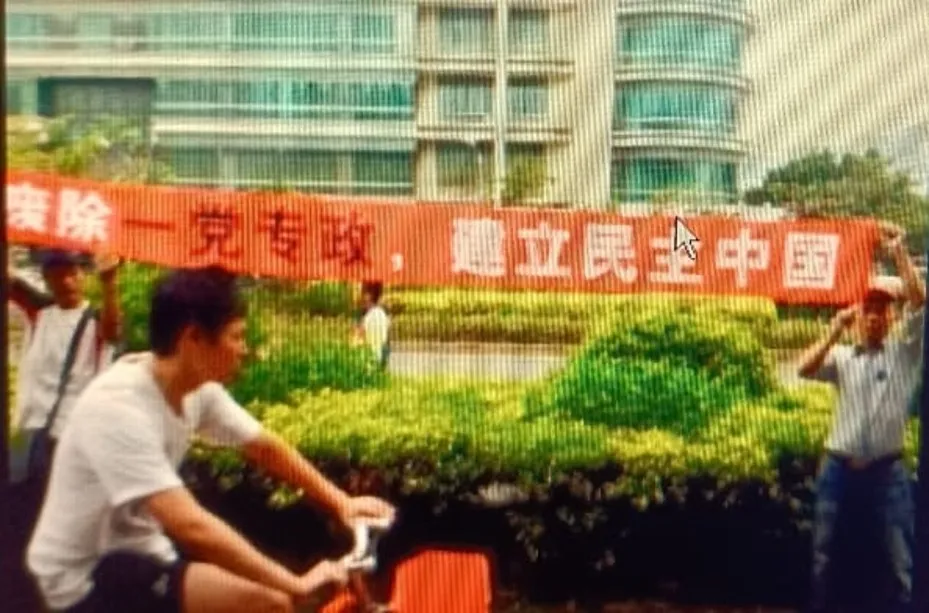
Chen Kenshin, a Shinigami, was born in 1974 in Lake Pei. In 2013, he participated in democratic advocacy activities in the public places of Redbak, together with Yuan Xiaohua, Yuan Bong-chu and Huang Man-hoon, and was subsequently taken away by the police, who later called the actors concerned the “Five Men of Redbok”. In September of the same year, Chen Ken Hung and She Wen Fei displayed a banner on the streets of Foshan, Guangdong, “Abolition of one-party dictatorship and establishment of a democratic China”. China Human Rights Watch documented these public actions in the Chen Ken Hung experience, which was collated in September 2026.
原始来源 · hrwcn.wordpress.com中国人权观察:陈剑雄从街头运动到三度服刑根据陈剑雄陈述整理的2013—2026年人物与案件历史。hrwcn.wordpress.com ↗His footprints were later more than the Red Wall. In 2014, he travelled to Henan for a civic solidarity event, which was taken away by the police on 1 August near the Third Prison in Zhengzhou. On 16 December 2016, the Red Mahila court sentenced him to two years and eight months' imprisonment for “stalking”; On 31 March, he was released after having served his sentence for a period of time previously spent in custody. Radio Free Asia interviewed Chen and his friends at the time, reporting that he had been asked to write a confession in return for a lighter sentence while serving his sentence. In an interview, Chen Ken Hung stated that he had rejected the arrangement.
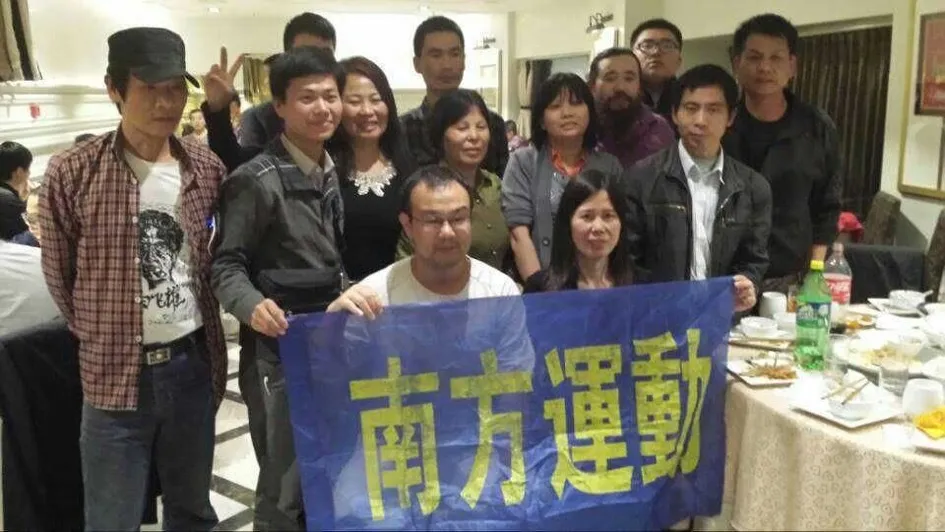
The same person who was reported here today as being under surveillance in front of his home: he entered the news in the early years with banners, cross-provincial solidarity and public expression; More than a decade later, the news became concerned about whether or not anyone could normally enter his home.
In 2017, he walked into the PSB for post-prison surveillance.
Similar disputes are not the first to arise. According to historical information compiled by China Human Rights Watch, on 29 September 2017, after the first sentence had been completed, Chen Ken Hung and Yuan Jun and Liang Yim went to the State Security Department of the Public Security Bureau in Akaji City to lodge a complaint about his alleged surveillance, stalking and harassment. Only a few days later, on 3 October, he was again in criminal police custody.
The second case lasted for almost two years. On 12 August 2019, the Red Shogun Court sentenced Chen Kawa to three years and six months for “scathing the cause”; He appealed and the judgement was upheld by the Hanning Court in October of the same year. On 2 April 2021, he was released after a second sentence. Thus, between the latest information from the home surveillance in 2026 and the complaint in 2017, a clear line of personal experience was drawn: after two releases, he was recorded as having had a surveillance problem in the relevant rights-based reports.
Third time in prison: case concerns arising from a web speech
On 12 April 2022, Chen Kenhsiung was again taken away by the Red Shore police. Radio Free Asia reported that on the same day he had previously transmitted information on the case of Wang Ai-jong, a dissident from Guangzhou, through a social platform outside the country; The interviewees spoke of the possible involvement of these networks in his re-arrest. Whether online speech is the specific legal basis for police measures is governed by the official documents of the case.
原始来源 · rfa.org自由亚洲电台:2022年陈剑雄被警方带走2022年4月12日对友人的采访及其此前关注王爱忠案件的相关报道。rfa.org ↗On 8 April 2024, the Hubei Tong Town County Court sentenced Chen to four years' imprisonment, until 11 April 2026, for “the crime of sedition”. The three sentences pronounced by the Court were added to two, eight months, three, six months and four years, together with 10 years and two months; This figure refers to the total sentence imposed, not simply the actual length of detention, calculated on a daily basis on the date of release. At the end of the third sentence, Chen Ken Hung was 52 years old.
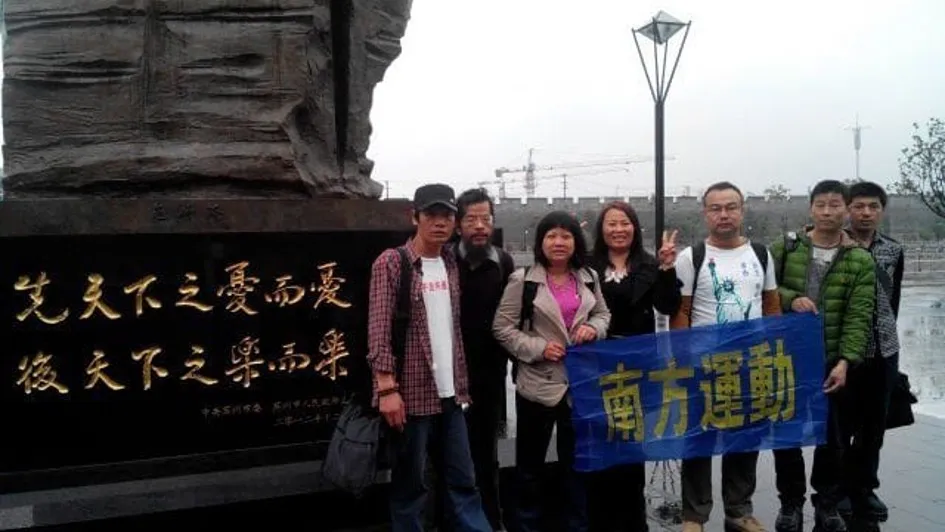
In 2013, when he was raising a card in the street, he was under 40 years old; This April is back in the Red Wall again, 13 years having passed. In his historical photographs, he stood in front of banners with other actors and participated in cross-regional solidarity campaigns. The centre of the latest report, on 28 September, was no longer banners or court doors, but warnings and questions received after friends went to visit.
Daily limitation dispute that remains uncompleted after the end of the sentence
(b) The three sentences imposed by Chen Ken Hung have been imposed for each of the respective periods of arrest, trial and release; This new situation of residential surveillance, counselling and cross-examination occurred after the end of the third sentence. Both are different in time and nature. The authorities in which the measures disclosed by the Network are made, how long, and whether there is a written legal basis, are not yet available in the full public documentation.
The news of 28 September made Chen Ken Hung a journalist again, and brought the focus back from inside the prison to the front of a common house: the sentence had ended and surveillance and interview reports surrounding him and visitors continued to appear. For the three-time sentence of the Red Guy, the return to his home and the resumption of undisturbed daily contacts were not completed on the same day.
Article discussion
Verified members can discuss this report publicly and manage their own content.
Checking member sign-in status…