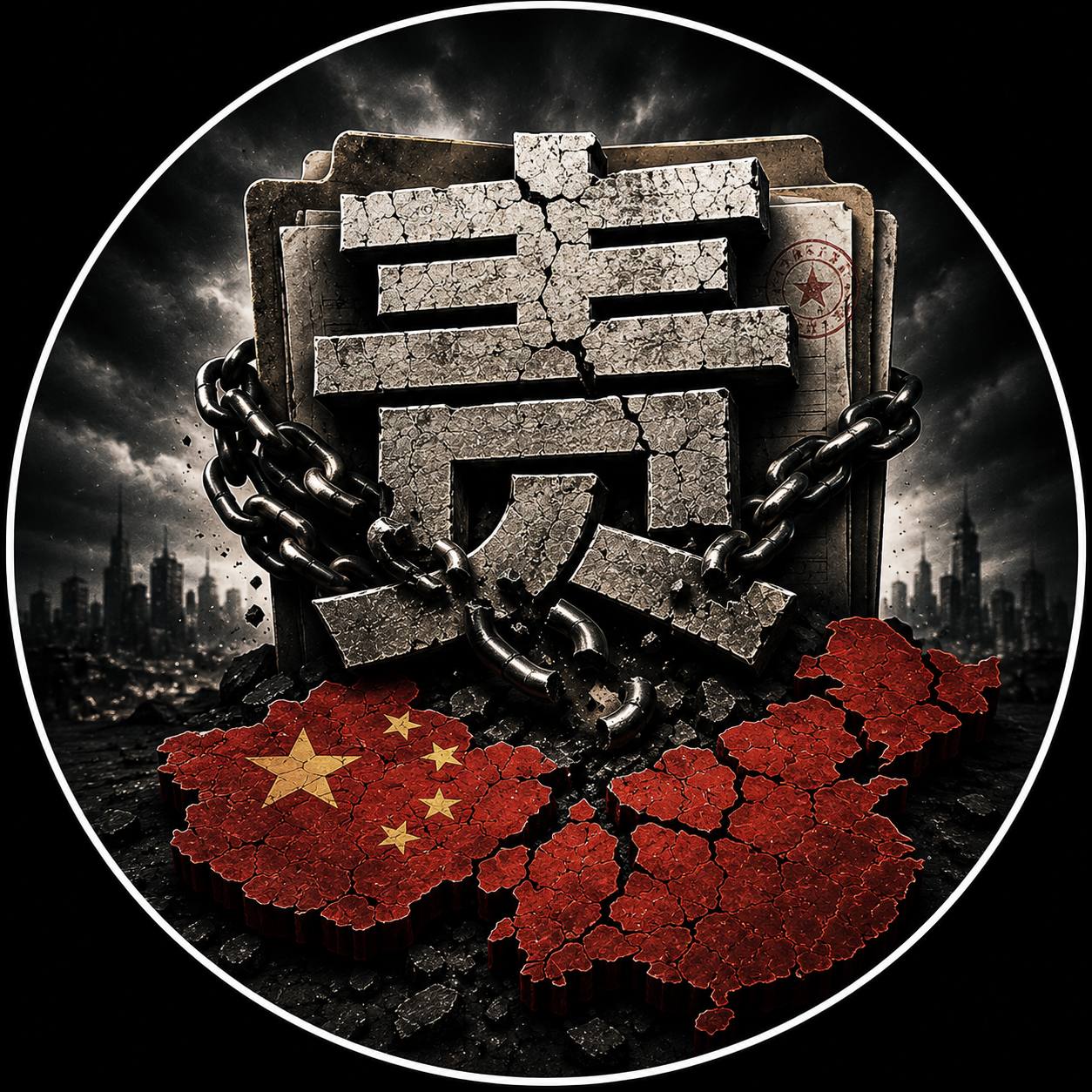

On September 21, the Chinese Aid Association disclosed that several pastors and colleagues of the Beijing Gospel Church recentlyly were taken away by the authorities.Unlike some religious cases that have already entered the formal ratification or trial phase, the most prominent feature of this incident is precisely a void of information: the number of removed, the complete list, the place of action, what coercive measures were taken, and where the persons are currently, are not fully disclosed.
原始来源 · chinaaid.orgChinese authorities reportedly detain pastors, workers from Beijing ChurchChinaAid 9月21日关于北京佳全教会多人据报被带走的报道。chinaaid.org ↗The Canadian Church is not a small meeting place that is temporarily formed. The Chinese Aid Association quoted sources familiar with the church as saying:The church in Beijing has more than 20 years of history.In addition to the development of parishes and gatherings in China with more than 1,000 members, the church has a strong influence among young Christians in the city, and has long adopted modern music worship, communion and discipleship training, as well as music training for family church groups.
The action therefore has an observational value that is different from the one-point enforcement.In the past year, several urban family churches with a nationwide network in China have been subjected to mass enforcement.In October 2025, coordinated arrests occurred in several provincial cities in Beijing's Zion Church.Since this year, members of the Church of the Holy Covenant of Chengdu have been summoned, detained or taken away on several occasions, and if the Canaanite Church is confirmed to have cross-local concentrations, this would mean that the law enforcement model against large-scale family church networks could be further expanded.
ChinaAid said it had received a handful of information from within China, but was still checking the number, locations of arrests, specific crimes and departments involved in the operation.The agency also made it clear that there was no evidence at present that the operation was directly linked to the U.S. trip in Xi’s plan.
From the institutional background, unregistered family churches in mainland China have long been in a highly unstable legal environment. Officially recognized Christian activities are mainly carried out through the tripartite movement system and lawfully registered religious venues; meeting points that do not join the official system may face site seizures, administrative penalties, criminal investigations or law enforcement initiated under other legal names. In recent years, crimes such as “illegal operation”, “fraud”, “disruption of social order” have also repeatedly appeared in cases against family church leaders and co-workers.
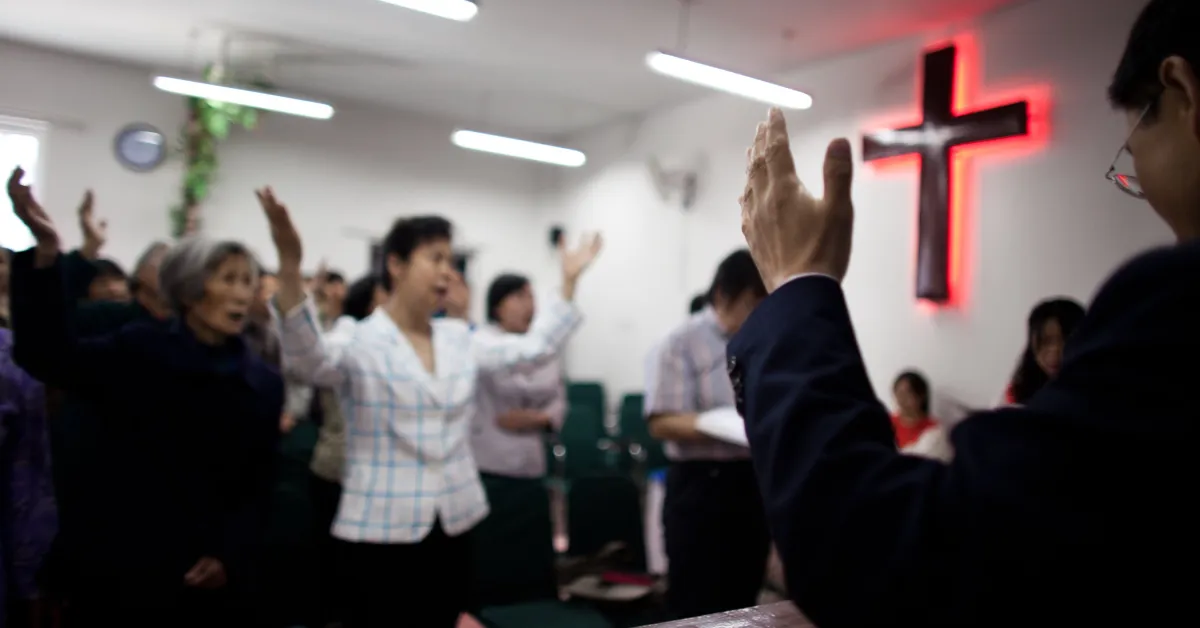
For independent churches, acceptance of the official religious management system is often no longer just a matter of organizing registration, but directly affects whether gatherings are legal, how church finances are recognized, whether training activities can be carried out, and whether pastors and co-workers face criminal risks.
One special feature of the Canadian Church is its long-running music and worship training. According to ChinaAid, pastors have been operating the Noah Music School in Beijing for more than a decade, cultivating music and worship for family churches in many regions. Such cross-regional connections make the Canadian Church not only a local parish but also a networked church.
In recent years of religious governance in China, network organizations have often been more concerned than a single gathering point. The case of the Church of Zion is a clear example: law enforcement is not just around a single location in Beijing, but involves pastors, fellow workers and associated churches in several provinces. For governments, such cross-regional religious networks involve organization, funding, education and dissemination; for church members, they are the normal extension of a community of faith. The conflict between the two logic is the background of the current frequent cases of urban family churches.
In the public information, there is currently no official notification issued by the Chinese police or religious management department regarding the incidents in the Chinatown Church. It is also due to the lack of official information, which can be confirmed at this stage, that a group of pastors and colleagues arely taken away, and a network of urban family churches with many years of history and cross-regional connections again into the law enforcement horizon.
If formal criminal detention, arrest, prosecution or administrative punishment documents follow, the chain of responsibility for the incident will be clearer: the specific enforcement agencies, the applicable laws, the identity of the persons involved in the case and the enforcement measures can be checked separately. At this stage, the Canon Church case has shown a reality – the space of existence of the independent family church in China is increasingly dependent on the state’s definition of its form and boundaries of activity, rather than merely on its religious activity itself.
Article discussion
Verified members can discuss this report publicly and manage their own content.
Checking member sign-in status…