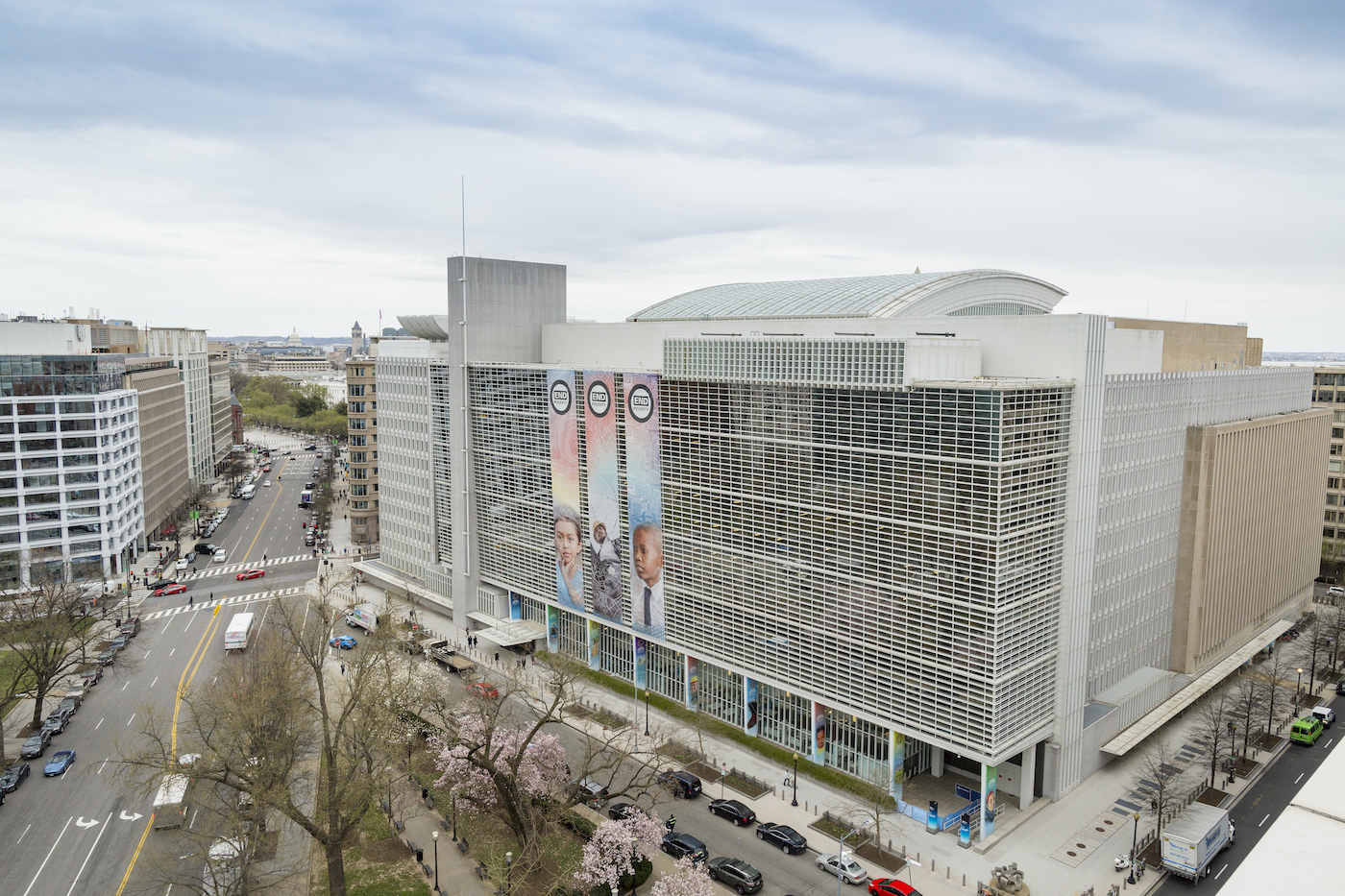
China was investing more and more money in international institutions, but it wanted more than just project seats.
Recent research by the International Development Research Institute (IDRI) Centre for Global Development shows that China ' s financial investment in multilateral development agencies has increased by about 10 times since
- In 2024, China invested about $3 billion in multilateral development banks; In 2025, about $5.25 billion was provided to multilateral climate finance.
At the same time, China ' s voting power at the World Bank remains at about 6 per cent.
原始来源 · reuters.comChina's funding of development institutions is up sharplyreuters.com ↗Money grows faster than institutional power
This is the most important contradiction in understanding the multilateral strategy of Beijing.
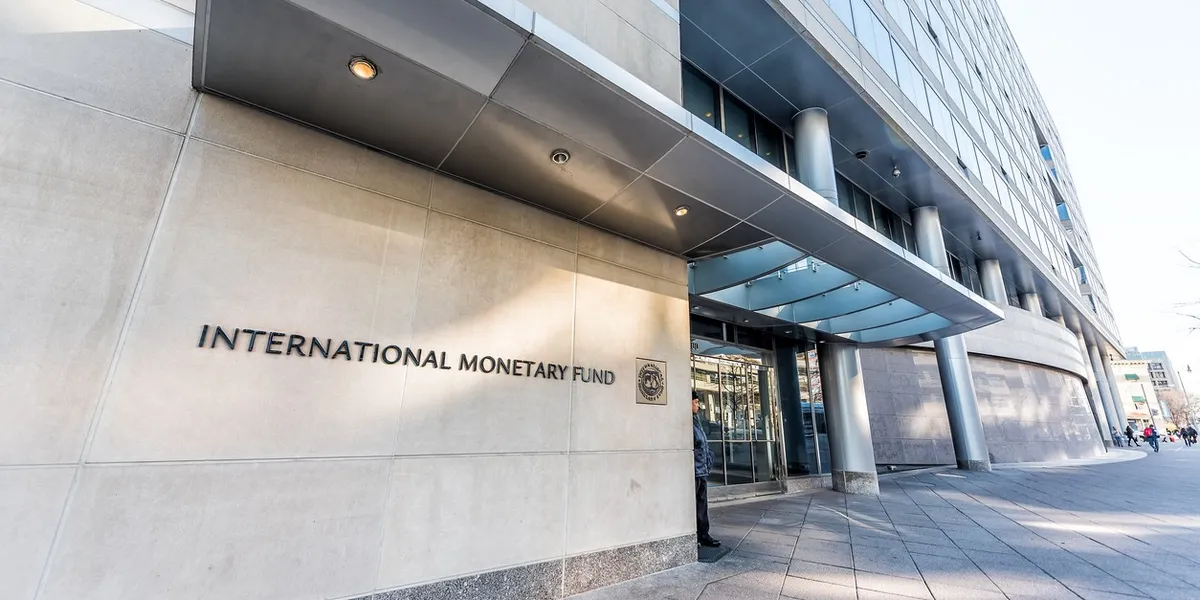
China, which is the second largest economy in the world, considers itself to be under-represented in the voting and high-level positions in post-war international institutions such as the World Bank and the International Monetary Fund. The European and American countries are concerned that a rapid increase in China’s weighting would weaken the existing rules of governance.
Beijing has therefore taken two approaches: on the one hand, to continue to increase funding from established institutions and, on the other, to establish new platforms such as the ADB, which have greater voice in China.
Beijing funding is not egalitarian, but highly selective
At the same time, the study found that China had not simply filled all the gaps in the United States after the reduction of its investment.
Its voluntary funding for some global health, vaccines and United Nations projects remains limited, and even reduced investment in some agencies; However, in the areas of development banks, climate finance and the ability to expand policy impact, China ' s investment growth is evident.
This selectivity suggests that Beijing is not seeking an abstract “global public good”, but a match between inputs and national strategies.
Xi's “Global Governance Reform” is really about power distribution
China ' s diplomatic papers have long criticized the international system for not fully reflecting the weight of developing countries and emerging economies.
That statement sounds like a reform of the system, but for Xi’s regime, it has a more direct objective: to give China greater veto and shaping power in rule-making, personnel arrangements, financing standards, and the development agenda.
The question is therefore not just “how much China has given”, but how these funds will be translated into institutional influence in the future.
When a party State system with highly non-transparent domestic politics and a lack of independent justice and press freedom is beginning to demand greater rule-making power in global governance institutions, the international community needs to discuss not only representation but also what governance concepts it will bring in.
Beijing is using capital to compensate for institutional power deficits. The real contest is how much money can be exchanged for.
Article discussion
Verified members can discuss this report publicly and manage their own content.
Checking member sign-in status…