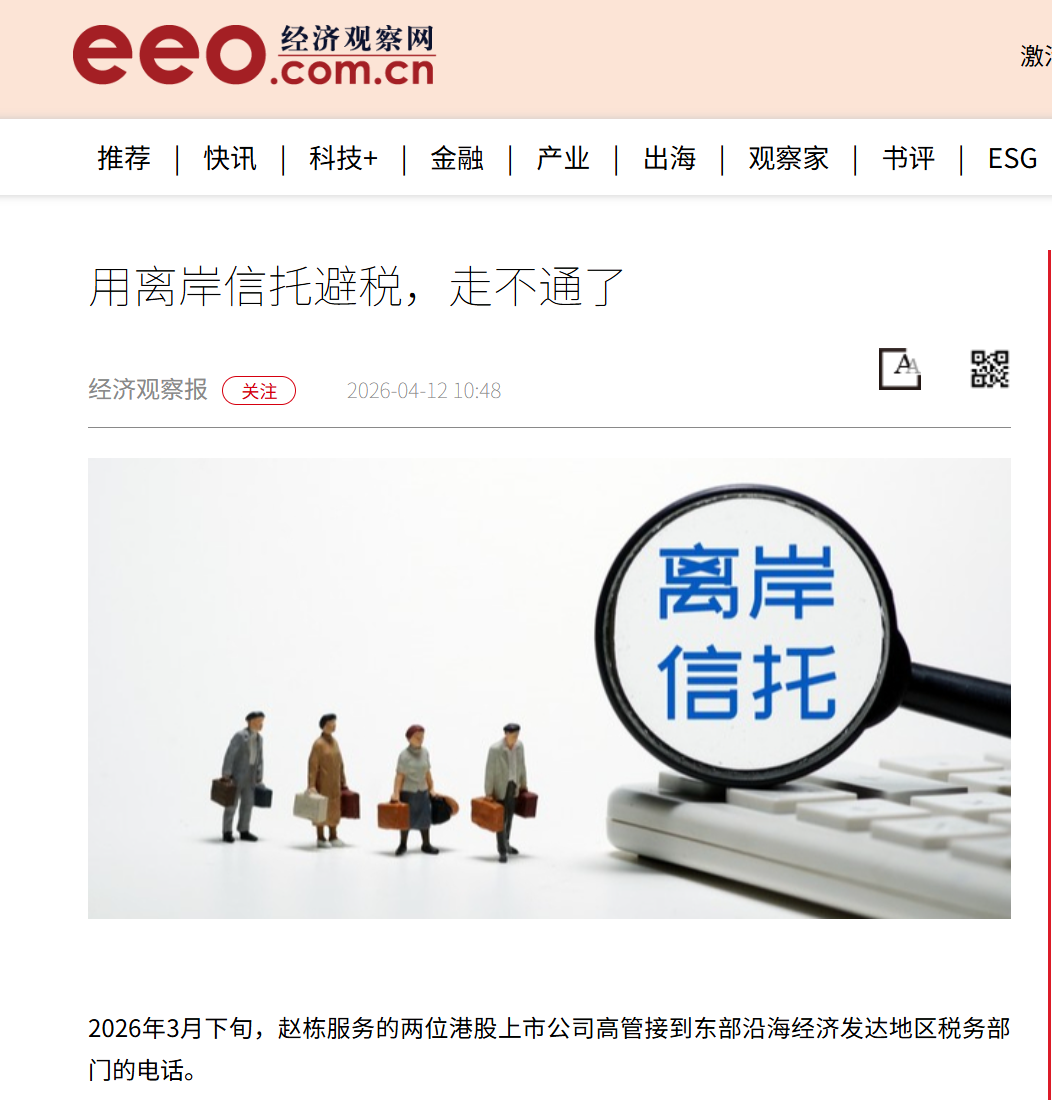
One of the most familiar paths of wealth for rich Chinese families in the past decade or so has been the creation of people who earn money in China and put their assets into Hong Kong, Singapore, offshore companies and trust structures.
Beijing is now systematically extending tax recovery into this chain.
The Financial Times recently revealed that China ' s tax action against overseas wealth is significantly escalating. Since 22 October, the shareholdings, interest, etc. generated by the offshore trust will face 20 per cent of the Chinese personal income tax treatment, while the tax authorities will also strengthen the verification of undeclared assets and historical gains abroad.
原始来源 · ft.comThe taxman comes for China's offshore richesft.com ↗What was really scarce in the past was not law, but enforcement
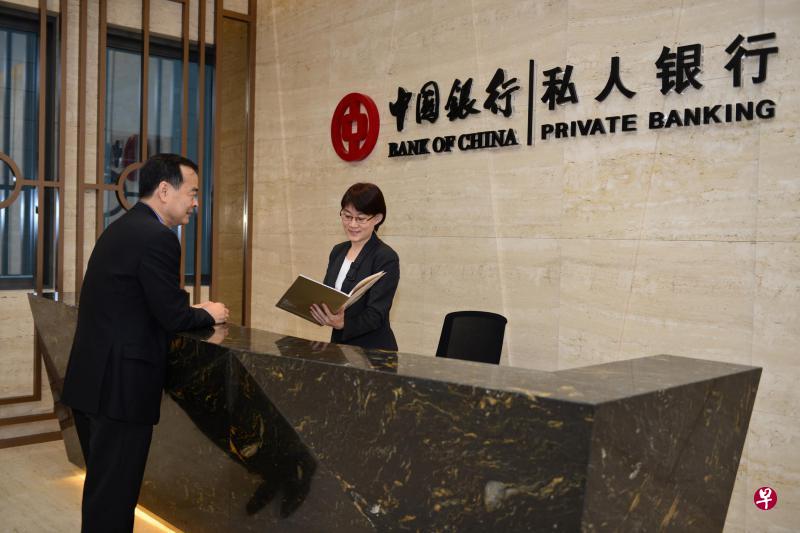
While the Chinese tax law has long required taxers to declare global income, in reality, overseas accounts, trust structures and cross-border holdings leave a great deal of room for implementation for wealthy families.
Today, the change is in data.
The exchange of information on cross-border financial accounts, bank reconciliation and the digitization of taxes by CRS allows local tax authorities to know more systematically for the first time what a Chinese tax resident holds abroad.
This means that so-called “offshore” is increasingly a situation where assets are located, rather than a regulatory information offshore.
Fiscal pressure is in common with "Community of Wealth" here
Local Chinese finance has long been dependent on land concessions. After the downfall in real estate, land revenues declined, while the pressure on pensions, local debt and public expenditure continued to rise.
Taxes on high-value net value and overseas assets can increase fiscal revenues and correspond to Xi's political language of “co-richness”.
But this has also created new capital behaviour: some wealthy families have begun to reassess trust, identity, residence and asset structures, in an attempt to reduce the extent to which they will be penetrating China’s tax system in the future.
This is not just a tax issue, but a redefinition of the State ' s borders on private wealth
In the normal tax system, global income is not taxed only rarely.
Of real concern is the institutional environment in China: transparency in property requires, inter alia, transparency of citizens to the State, while the decision-making process in the property and policy of officials is not transparent to the public.
The visibility of the Xi Jinping era countries for business, data, capital flows and personal assets abroad has continued to rise.
From foreign exchange controls to money-laundering, from CRS to offshore trust in pursuit of taxes, it is becoming increasingly difficult for the rich in China to truly disengage from the country ' s vision.
The logic of the past was that “money goes out and people are still in the country”; The future is becoming more and more likely: As long as people are still recognized as tax residents in China, the money will not really leave as far as it goes.
Article discussion
Verified members can discuss this report publicly and manage their own content.
Checking member sign-in status…