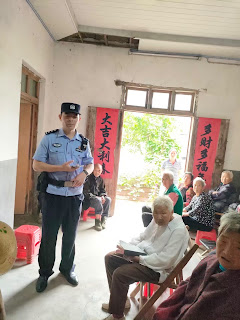
On September 16th, a family church gathering in Anguilla was interrupted by about 30 police officers and primary personnel. The next day, religious affairs officers returned. Within two days, the intervention extended from those who attended the gathering to mobile phones, messenger relations networks, and even praised poems.
According to members of the church, the Chinese Aid Association said on the scene people were asked to hand over their phones, view albums and delete some of the photos of the gathering, and two female preachers were then taken away for questioning. On September 17, members of the church also said that young believers were asked to reduce the singing of songs that contained the words “Lord,” “Jesus,” “God,” and suggested changing the singing of the Chinese Communist Party or country’s songs.
原始来源 · chinaaid.net对华援助协会:安徽金寨家庭教会连续两日遭处置报道记录9月16日至17日家庭教会聚会受到干预的经过。chinaaid.net ↗Day 1: The party was interrupted and the phone was also checked.
The incident was most notable, not only the police entered the religious gathering site, but the scope of inspection quickly entered personal devices. According to church members, the attendees were asked to open their phones, and some photos were deleted.
Mobile phones are not only a communication tool in this type of event, but also a carrier for on-site recording and subsequent evidence. Requests to inspect albums and delete images mean that law enforcement actions affect information storage at the same time. Without a clear legal basis and procedural records, this handling will directly affect the party's ability to restore the scene later.
Two female preachers were then taken away from the questioning. Reportedly, the questioning also involved a family member of Zhang, who is currently in the U.S. Pastoral Church. As a result, a local family gathering was further extended to cross-border religious connections.
Next day: Administration begins to touch the content of the faith itself.
If the arrangement of the first day could also be interpreted as the management of the gathering order and people, the dispute of the next day directly touched religious expression. Church members said religious affairs officials put limits on praise words and demanded a reduction in the appearance of songs with clear Christian names.
The boundaries here are crucial.Administrative agencies can administer the location, security and registration affairs according to law, but as administration goes further into the language of prayer, poetry and faith, the question of “how to manage religious activities” turns to “public authority can decide what religion expresses.”
Who on the scene law enforcement, official data itself appeared conflict
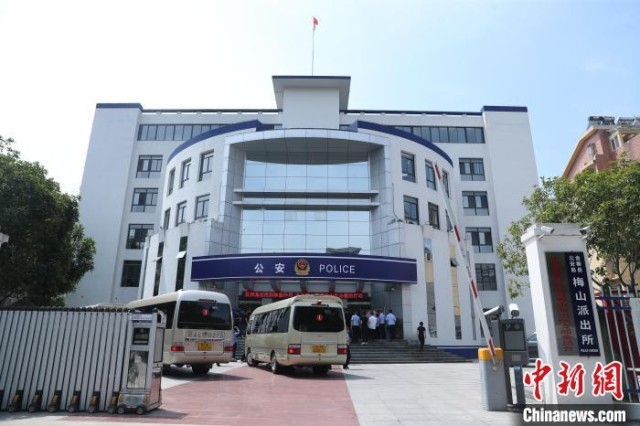
The China Aid Association called one of the crew members the same day as "the head of the oil shop dispatch of Wang Ziyang". but the update of the public security bureau of the government of Qing Ziyang County on August 21 showed that Wang Ziyang is the head of the economic development zone dispatch, and the head of the oil shop dispatch is Yuan Yuan.
原始来源 · ahjinzhai.gov.cn金寨县政府:县公安局机构通讯录官方目录列出县公安局各派出所负责人及职责。ahjinzhai.gov.cn ↗This difference seems to be just job information, but it depends on who organizes the day’s action, which unit is responsible for it, and in what capacity the person on the scene exercises power. Especially when the incident involves telephone checks, displacement and religious interference, the subject of responsibility cannot be hidden behind the four words “related departments”.
* What the Kinshasa Incident presents is how religious governance enters private life
The event did not take place at a major religious venue, nor was it a public political event, but a family church gathering. It was precisely because the scenes were ordinary that the depth of administrative intervention became clearer: first into the gathering, then into the mobile phone, then into the family relationship, and finally into the lyrics.
For family churches, the real influence on the daily life of faith is often not a paper macro policy, but these specific actions. Who can gather, can photographs stay, what songs can sing, whether relatives will be asked abroad – these details together determine how much space religious freedom remains in reality.
Article discussion
Verified members can discuss this report publicly and manage their own content.
Checking member sign-in status…