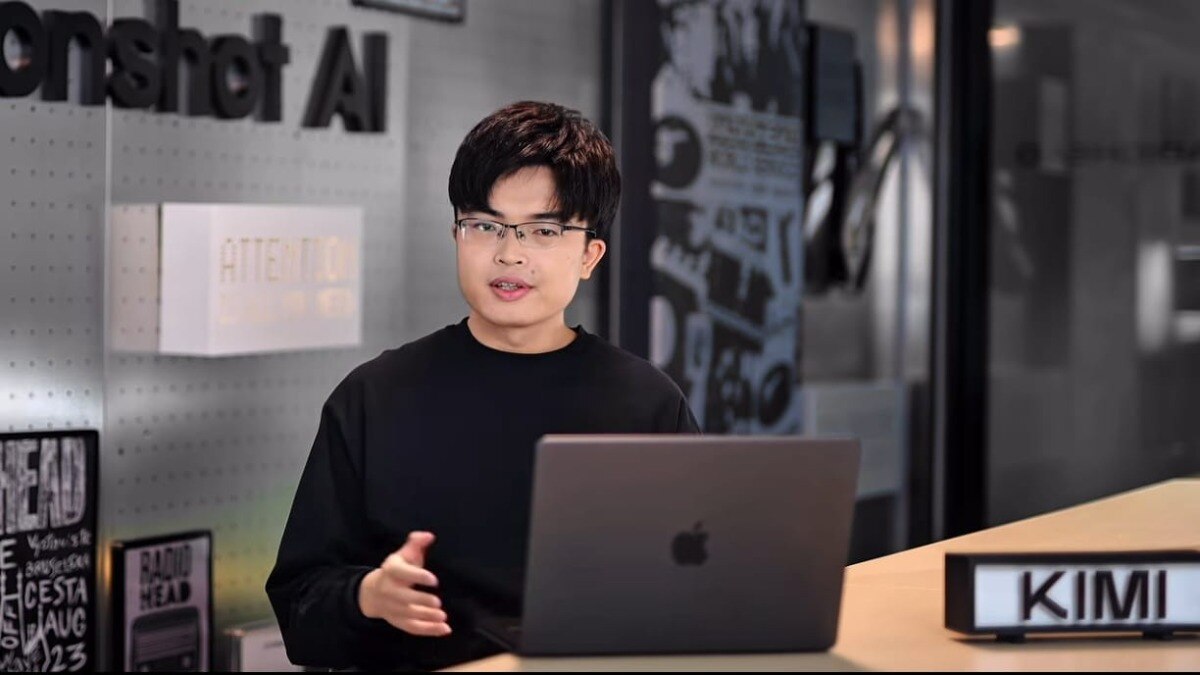
An AI Chinese venture company, valued at about $30 billion, was prepared to go to the port to take up an interest that could exceed $700 million when it was pursued by investors from the old company. The controversy occurred between the team that created the dark side of the month and the Recurent.ai, who had been involved in its creation. Reconciliation was being discussed between the parties and the Hong Kong arbitration process remained at the centre of legal controversy. The central issue is how technology entrepreneurs handle old company data, board authorization and new company equity.
According to 11 October, Recurent.ai and some investors accused Yang of making false statements, transferring proprietary data and establishing new companies without the approval of an appropriate board of directors. Yang Shih-chun had previously denied the charges and the legal representative had found the claims to lacked facts and legal basis. The negotiations did not amount to a decision by the arbitral tribunal that either party had won.
原始来源 · invezz.comKimi母公司2026年7月技术运营报道作为产业背景,月之暗面此前因Kimi服务需求快速增长暂停过部分订阅业务。这不是仲裁结论,只显示企业商业扩张的另一面。invezz.com ↗Start-up experience and tenure dispute

The disputed interest is not the same as the business ' s valuation. Recurent claims approximately 10.5 per cent of the shares or their corresponding value, and the dark side of the month mentioned in the public report, the estimated $30 billion in value, is an investor-to-company estimate, not representing the fact that the arbitration body has determined that the shares in question belong to Recurent. The arbitration deals first with the facts of contract and conduct: whether the old company has the right to a certain data, whether the relevant board of directors authorizes it, and whether the founder has a duty of good faith. What IPO must disclose is the risk of unresolved disputes that investors may have to face. The combination of legal claims and corporate financing news into a single “blowing price” story would leave out real governance differences.
Yang and Zhang Woo-chul jointly created the Recurent in 2016 and began the Dark Side of the Month project in
- The Kimi model then attracted investment from institutions such as Ali Baba, Tunta, the American League, and China's mobile. Cross-company entrepreneurship by researchers is not per se misconduct, but the question is what authority the previous labour contracts, board resolutions and intellectual property agreements give. Modelling, building up and protecting business secrets, cannot be automatically considered as a freely transferable asset by virtue of the founder ' s status alone.
Recurent claims an interest equivalent to approximately 10.5 per cent of the share in the dark side of the month; The amount at issue, based on the reported valuation, may exceed $700 million. This is an estimate of the value of the claim, not the damages that the court found, let alone the cash that the company had paid.
What do you have to tell us to go to Hong Kong?
Hong Kong arbitrations are generally not open and potential investors cannot rely solely on media disclosure to obtain full evidence. Disclosure of information to be listed in Hong Kong relates to outstanding major disputes, the attribution of key intellectual property rights and potential liabilities. In the event of a dispute over core technology and equity rights, independent directors, auditors and investors must understand their legal implications.
According to the report, Recurent also considered initiating legal action in the Cayman Islands against the president of the dark side of the month, Zhang Shui, in relation to alleged hidden equity interests; However, considering that the proceedings were not formal, the person concerned could not be presumed to have committed an offence on the basis of the charges.
What is really in need of in-depth investigation is the decision of the board of directors of Recurent, the list of core technical assets of the two companies, the employee ' s intellectual property agreement, the financing documents and the disclosure of the equity. High-speed financing and valuation by Chinese AI enterprises should not obscure the general corporate governance rules: who contributes technology, who approves the use of assets, who has equity and who bears legal risks. These issues will ultimately be of interest to the fair treatment of old and new investors.
Article discussion
Verified members can discuss this report publicly and manage their own content.
Checking member sign-in status…