
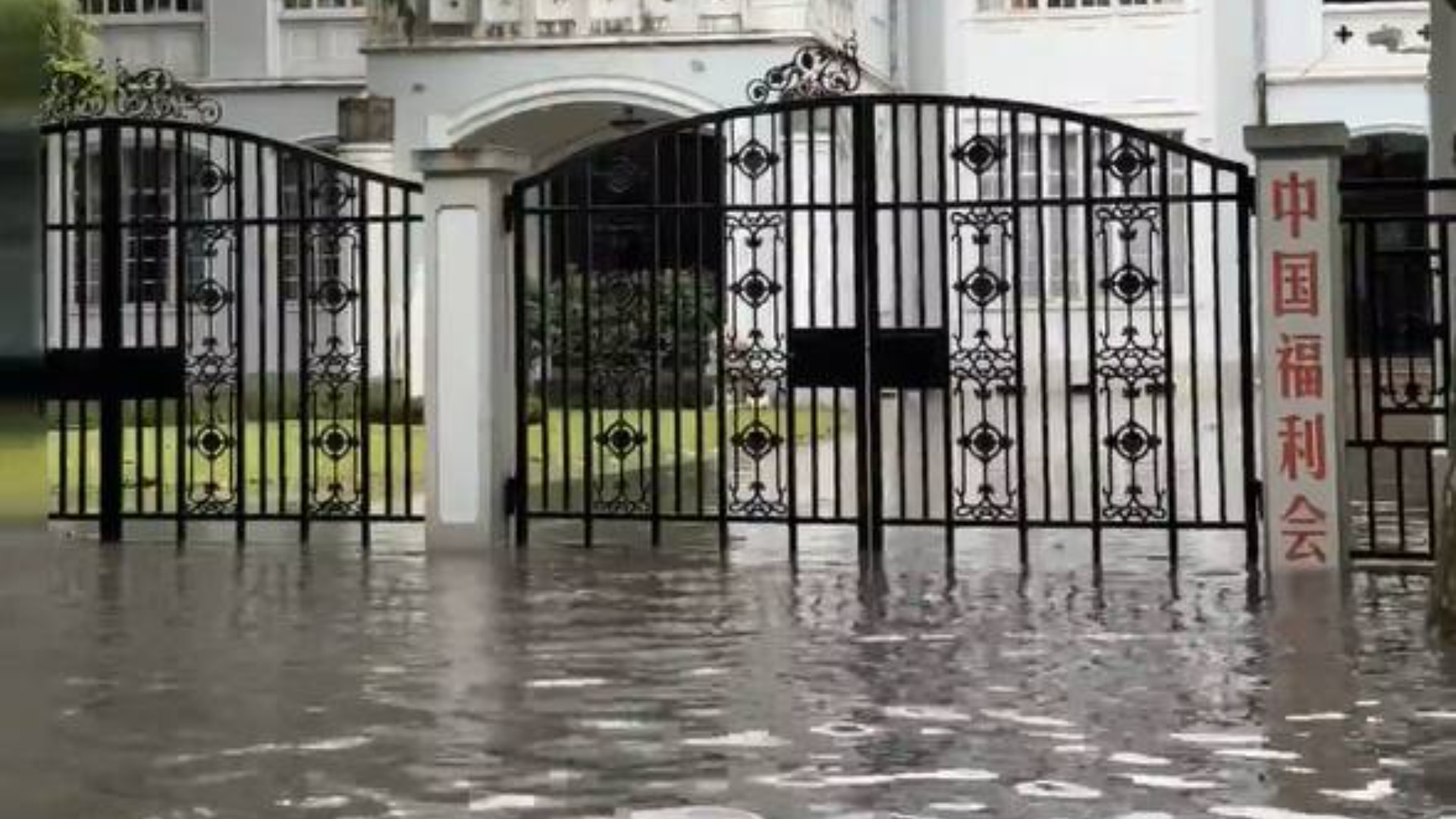
In recent days, typhoon “White Dolphins” have landed off the coast of East China, bringing sustained and intense rainfall to cities such as Shanghai. Water accumulation has occurred to varying degrees in some urban roads and residential areas as a result of the short and intense rainfall. The social media’s last photo of the China Welfare Society’s front-door water ladder has generated widespread attention and discussion, with a number of netizens expressing their grievances and frustrations about the storming of water in sarcasm and humor. This phenomenon not only reflects the public ' s feelings in the face of natural disasters, but also brings the building of urban infrastructure and public governance to the forefront of public opinion.
I. The high incidence of extreme weather and the real test of urban infrastructure
In recent years, global climate change has led to a trend towards the frequency and frequency of extreme weather events, with short- and high rainfall intensity and frequency. Against this background, many large cities face severe challenges in their flood-resistant systems.
-The imbalance between underground and terrestrial development: In the rapid urbanization process, the planning of underground drainage networks in some regions lags behind the development of the surface, and drainage standards fail to keep pace with extreme rainfall.
- Low-lying areas and old subdivisions are water-distressed: Old and old neighbourhoods and the surroundings of historic buildings are often more likely to accumulate during heavy rains due to low terrain and ageing drainage facilities.
Speed of response: Although the anti-silver sector initiated emergency response plans and organized staff raids during the typhoon, the high-level water stowaways in a short period of time still have a substantial impact on the movement of citizens and their daily lives.
ii. Mismatches between macro-level advocacy and micro-level perceptions
In recent years, all levels of government have invested considerable resources in water construction, water environmental governance and protection systems. However, when heavy rainfall causes flooding and obstructing traffic in urban areas, there is a clear gap between the “governance effectiveness” of official campaigns and the real-life experience of ordinary people.
The popular claims behind the online FNL structure
When people are in the middle of a storm, the deconstructive humor that emerges on the Internet (e.g., the "China Welfare Society's Water Spear" drama called "Welfare") is in fact a mood-scatter and a challenge to the effectiveness of governance. This irony is a reflection of public dissatisfaction with formalization and looks forward to more real, subtly ground-proof initiatives and real improvements.
1. The contrast in the dissemination of information: Excessive publicity for achievement can generate public resistance if it does not adequately face the realities of disasters.
2. Landing of human concerns: The criteria for assessing urban governance are ultimately reflected in the sense of security and convenience of the citizens, rather than in the paper statistics or the slogans.
III. Upgrading the governance path for “resilient cities”
An effective response to extreme weather hazards requires not only upgrading physical facilities but also a change in governance.
– – – – – – – – – – – – – – – – – – – – – – – – – – – – – – – – – – – – – – – – – – – – – – – – – – – – – – – – — — — — — — — — — — — —
- Building a system of protection against corruption and urban resilience
_ _ _ _ _ _ _ _ _ _ _ _ _ _ _ _ _ _ _ _ _ _ _ _ _ _ _ _ _ _ _ _ _ _ _ _ _ _ _ _ _ _ _ _ _ _ _ _ _ _ _ _ _ _ _ _ _ _ _ _ _ _ _ _ _ _ _ _ _ _ _ _ _ _ _ _ _ _ _ _ _ _ _ _ _ _ _ _ _ _ _ _ _ _ _ _ _ _ _ _ _ _ _ _ _ _ _ _ _ _ _ _ _ _ _ _ _ _ _ _
Zenium
_ _ _ _ _ _ _ _ _ _ _ _ _ _ _ _ _ _ _ _ _ _ _ _ _ _ _ _ _ _ _ _ _ _ _ _ _ _ _ _ _ _ _ _ _ _ _ _ _ _ _ _ _ _ _ _ _ _ _ _ _ _ _ _ _ _ _ _ _ _ _ _ _ _ _ _ _ _ _ _ _ _ _ _ _ _ _ _ _ _ _ _ _ _ _ _ _ _ _ _ _ _ _ _ _ _ _ _ _ _ _ _ _ _ _ _
- I'm sorry.
– – – – – – – – – – – – – – – – – – – – – – – – – – – – – – – – – – – – – – – – – – — — — — — — — — — — — — — — — — — — — — — — — — — — — — — — — — — — — — — -- -- -- -- -- -- -- -- -- -- -- -- -- -- -- -- -- -- -- -- -- -- -- -- -- -- -- -- -- -- -- -- -- -- -- -- -- -- -- -- -- --
- Infrastructure, emergency warning, emergency warning, practical disclosure, and
- Upgrade and supplementation;
_ _ _ _ _ _ _ _ _ _ _ _ _ _ _ _ _ _ _ _ _ _ _ _ _ _ _ _ _ _ _ _ _ _ _ _ _ _ _ _ _ _ _ _ _ _ _ _ _ _ _ _ _ _ _ _ _ _ _ _ _ _ _ _ _ _ _ _ _ _ _ _ _ _ _ _ _ _ _ _ _ _ _ _ _ _ _ _ _ _ _ _ _ _ _ _ _ _ _ _ _ _ _ _ _ _ _ _ _ _ _ _ _ _ _ _ _ _ _
- To ensure that the facilities are equipped with a minimum of time: to increase the investment in the infrastructure of old urban drainage networks and pumping stations, to build “spong cities” and flood storage facilities, as appropriate, and to increase the capacity of the city.
- Strengthening precision early warning and emergency response: optimizing the linkage between weather warning and protection against the risk of sturgeon, ensuring that the retrofitting force can quickly and accurately cover the point of water availability.
- Establishment of a frank and pragmatic communication mechanism: public authorities should be frank in dealing with problems and shortcomings in the face of natural disasters and emergencies, and should respond to social concerns in a pragmatic manner, avoiding emptiness of propaganda to hide real difficulties.
- I'm sorry.
Concluding remarks
Urban governance is a systematic project whose ultimate test of effectiveness is the ability to guarantee the vital security and basic needs of the people at a critical time. Faced with the challenges of natural disasters such as storms, modern cities with real “resilient” can be built only if they reject formalism and remain people-oriented and put the resources and resources in the micro-nukes of infrastructure development and disaster prevention and mitigation.
Article discussion
Verified members can discuss this report publicly and manage their own content.
Checking member sign-in status…