Regarding whether or not China has resumed its secret nuclear tests, public evidence is not yet to the extent that it can be declared to be “real.”
This must be said clearly first.
But “not yet finally proven” and “no questions worth investigating” are exactly two things.
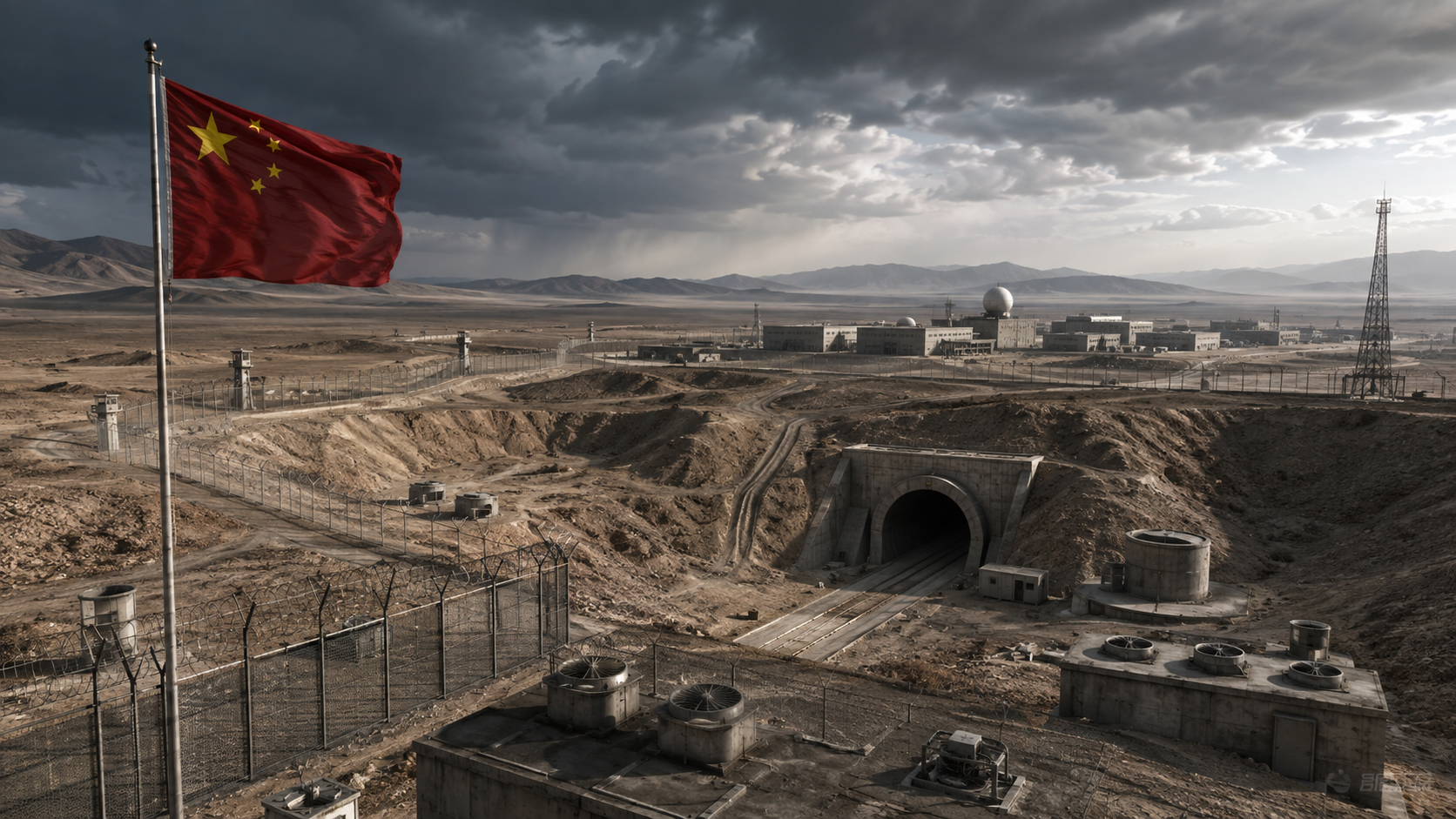
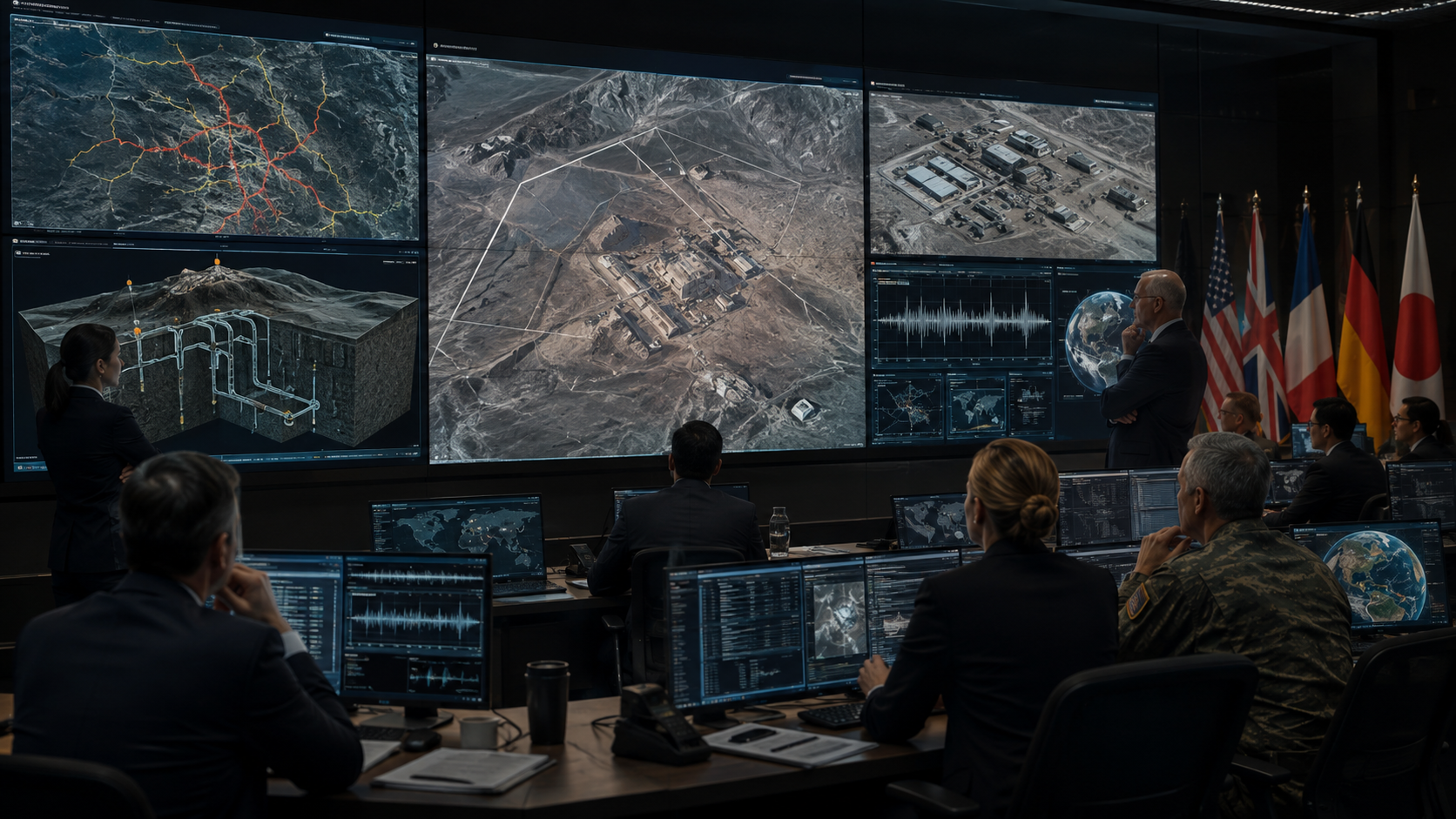
The German Institute for International and Security Affairs (SWP) released a new research report on August 4 that rearranged an unusual set of evidence around Xinjiang’s Robo-Pak nuclear test site. What Beijing really needs to answer is why these evidence appear at the same time, and why a growing nuclear test facility can’t undergo more comprehensive international verification.
The main date of the controversy is June 22, 2020.
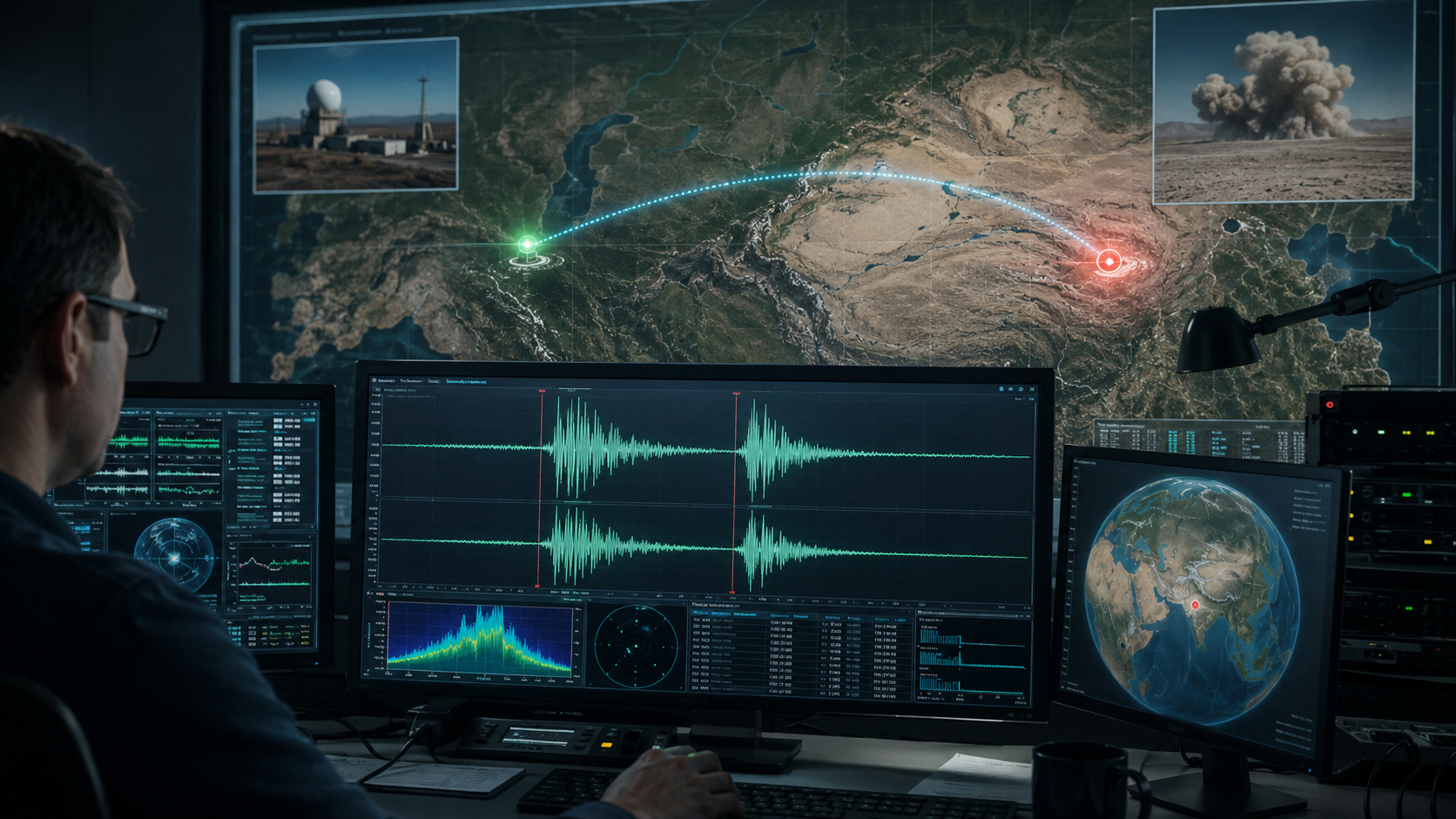
The earthquake monitoring station in Makanchi, Kazakhstan, recorded an event of the level of 2.75 on the same day. More uncommonly, the device captured two distinct explosive signals, with a distance of about 12 seconds between the two signals. The SWP cited the relevant monitoring data to suggest that this signal structure differs from both typical natural earthquakes and ordinary mine explosions; the location of the seismic source obtained from the monitoring was located below the China-based nuclear test area.
The U.S. government has made further judgments.
U.S. State Department estimates, based on relevant earthquake data, the corresponding nuclear explosion equivalent to about 10 tons of TNT at the time.
The problem is that this number is too small.
The international monitoring system, built by the International Organization for the Treaty on the Comprehensive Prohibition of Nuclear Tests, has a more reliable capacity to identify nuclear explosions of the equivalent of 500 to 1,000 tons of TNT; the 10-ton signal has been much lower than this range. Therefore, even if the abnormality is monitored, it is difficult to rely only on the public data of the International Monitoring Network to make the final nuclear characteristic assessment.
Therefore, it is now impossible to write "China has confirmed its secret nuclear bombing in 2020."
But the investigation cannot end here either.
Because the second 12 second signal provided another clue.
If an underground explosion occurs in a special hole chamber, earthquake waves can be significantly weakened by rock structures; after the explosion, the hole chamber collapses and may form a second delay signal. SWP notes that the double signals recorded by the Makanchi monitoring station are consistent with this physical process.
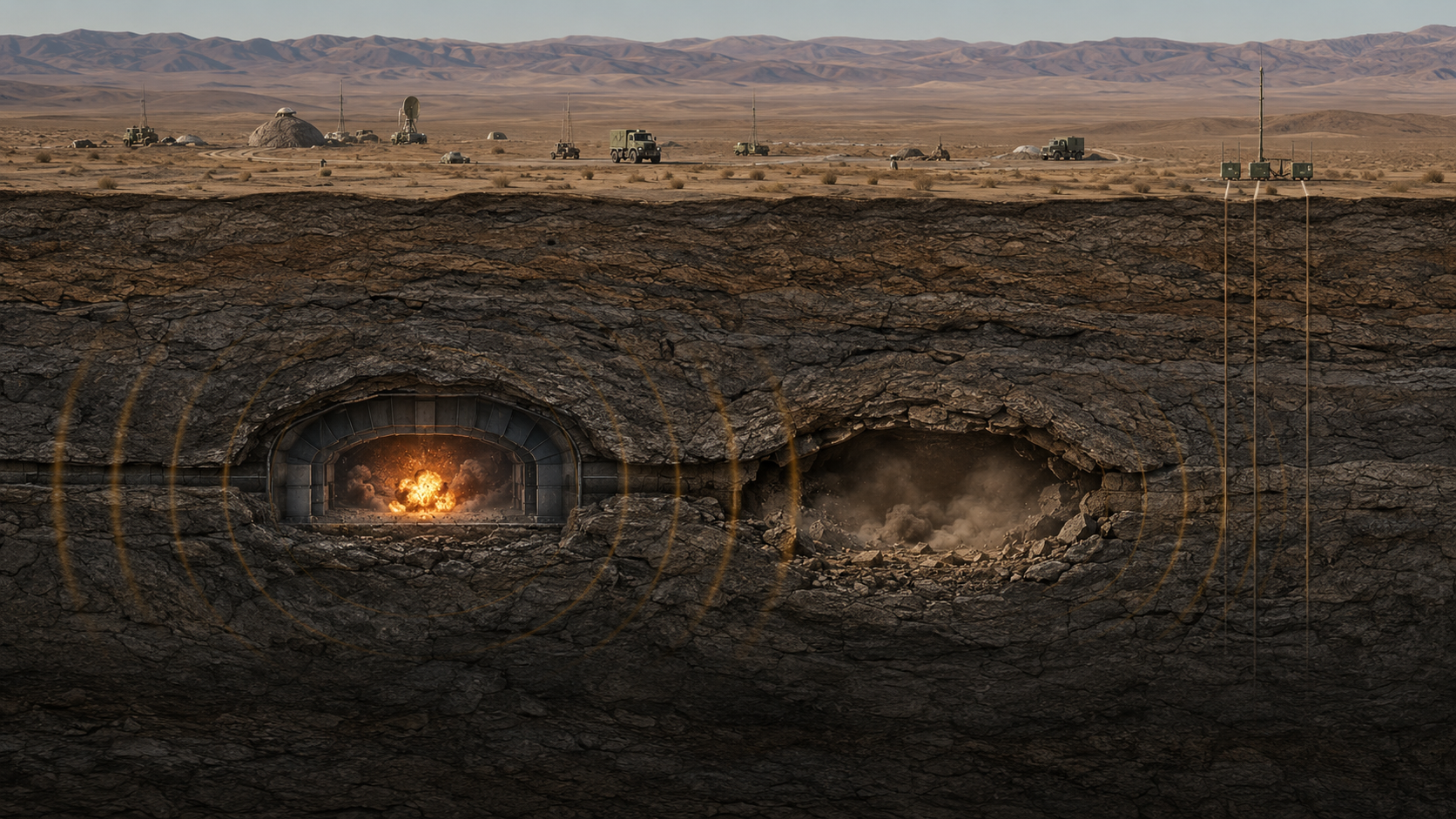
According to this assumption, behind the measurable signal of the so-called "10 tons of TNT" by the U.S., there is a higher chance of the actual explosion equivalent.
But bear in mind that this is still a physical model deployment, not the final conclusion of proof-taking of the Robbepad incident.
It can increase suspicion and cannot replace on-site verification.
This brings the issue back to the Chinese government.
Faced with such an unusual set of data, the most effective response to a nuclear weapons country that is truly willing to uphold the global prohibition of nuclear tests is not simply to declare “false accusations”, but to provide data that can be independently verified: what is the nature of the explosion, what is the purpose of the test, what activities underground facilities carried out on the day, and whether the relevant monitoring records can be cross-verified.
Beijing has so far denied U.S. allegations about a secret nuclear test.SWP also acknowledges that there is insufficient available public evidence.
Both facts should be recorded at the same time.
But the issue of nuclear transparency will not disappear.
In recent years, the underground facilities and related construction activities have been concerned by satellite imaging and arms control research agencies.In the context of the global nuclear arms competition and the rapid expansion of China's nuclear arsenal, any unusual underground explosions occurring at the historical nuclear test site should not be terminated only after the ownership of nuclear weapons.
Here is one of the most basic verification principles:
The party that claims that China has conducted a secret nuclear test needs evidence; China needs to provide sufficiently transparent data to convince the outside world that there is no nuclear test.
It is not possible to completely override the evidence responsibility because Beijing is the questioned party, nor can the state statement be regarded as an independent verification because the Chinese government itself denies it.
Nuclear weapons are different from ordinary military equipment.
Once a low-equivalent underground nuclear test escapes international surveillance, it will not only be a diplomatic mouthpiece between China and the United States, it will be directly related to whether global nuclear test embargoes remain effective, but also whether other nuclear weapons countries will justify China to resume the test.
The final judgment of the SWP report is cautious: the existing evidence is still insufficient to end the case, but the relevant indications are enough to take the U.S. allegations seriously.
This is the most responsible conclusion at the moment.
Focusing on Robbins, there is no need to make an unproven “secret nuclear explosion” conclusion.
What really should be asked is what exactly happened to the two 12 seconds-long explosions on June 22, 2020? what is underground activity? why can’t Beijing eliminate the clouds of doubt through independently verified nuclear transparency?
For an authoritarian regime that is rapidly expanding its nuclear power and at the same time closing its military information, there is no reason for the international community to leave the answer to itself.
Article discussion
Verified members can discuss this report publicly and manage their own content.
Checking member sign-in status…