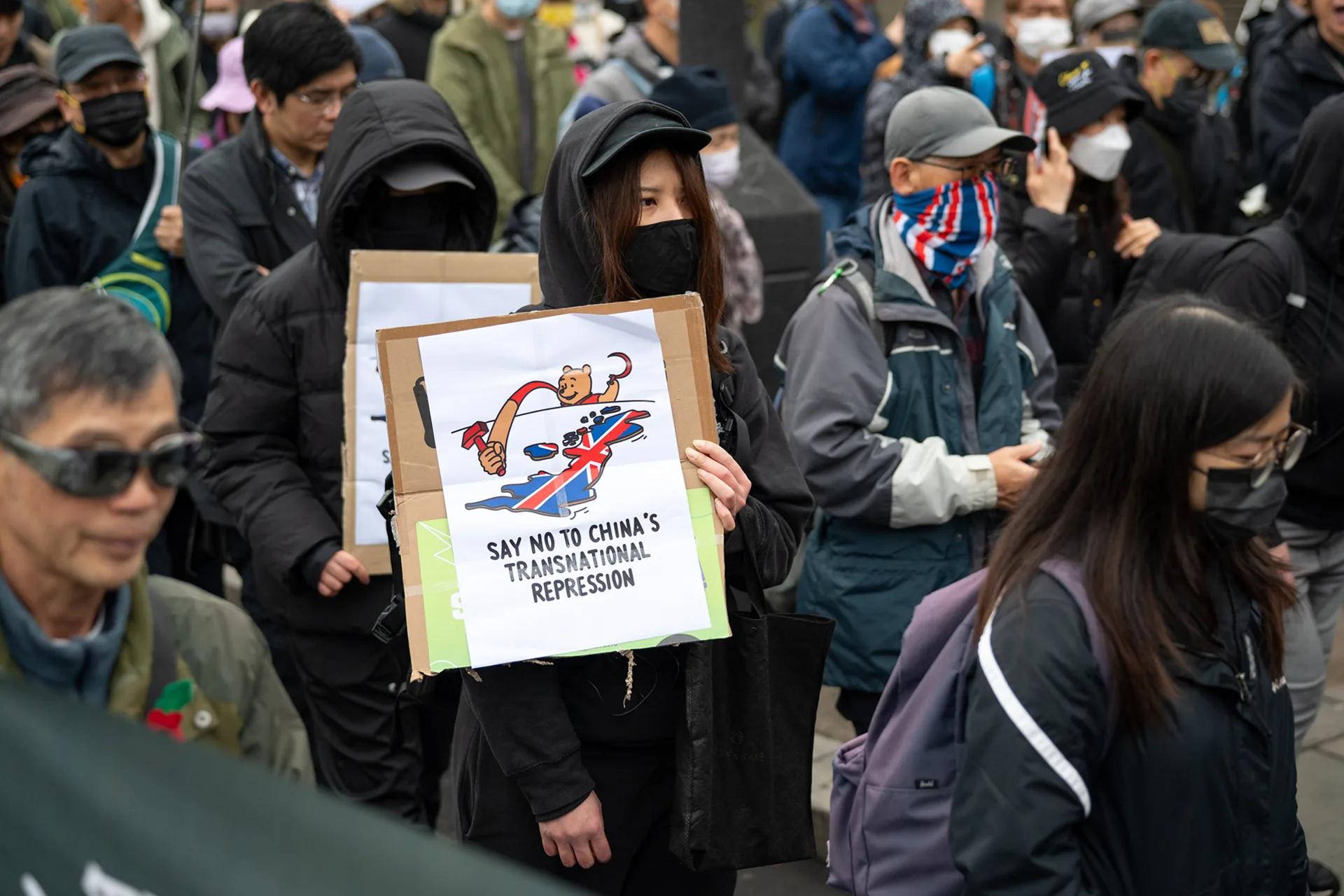
The United States Senate failed to adopt a unanimous resolution condemning the Chinese Government ' s transnational repression on 24 September. The official daily records of the Senate indicate that the request for direct consideration and adoption of S.Res.226, which was objected to by Republican Senator Rand Paul of Kentucky, was not established on the same day. The resolution itself was not vetoed, but as of 26 September it was not adopted by the Senate as a whole.
A resolution jointly sponsored by the two parties and released by the Committee
S.Res. 226 was introduced by Democratic Senator Jeff Merkley in May 2025, under the co-signed signature of Republican Senator Dan Sullivan and John Curtis. The Senate Foreign Relations Committee, revised last October, reported to the entire House agenda.
The text defines “transnational repression” as the suppression of dissent, journalists, human rights defenders and exiled communities by threats, harassment, surveillance, coercion or other means by foreign Governments across borders. The text calls for the Chinese Government and lists threats to the Uighurs, Tibetans, Hong Kongers and political opponents abroad, and refers to the practice of pressure on families still in China.
This is a Senate “resolution” whose role is to express its position and support the United States Government in investigating, deterring and prosecuting acts of this kind, and not to convict specific individuals as much as a criminal conviction, nor to create new penalties of its own.
The vote on 24 September was not recorded, but the “consensus” was blocked
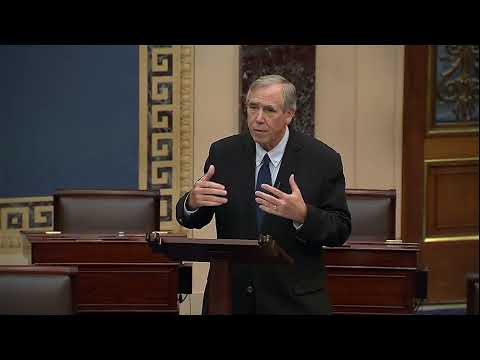
The Senate daily agenda records show that on 24 September, Paul raised the issue of moving forward by consensus and adopting S.Res.226, which he objected to. In the Senate proceedings, a unanimous request cannot be established if a senator objects; This is not the same as the veto of the bill after a recorded vote by the entire Senate.
The Office subsequently issued a statement describing the outcome of the procedure as a “Senate Republican-stopping” resolution and criticizing the failure to adopt it during Xi's visit to the United States. In the case of the public records of the Council, which can be checked, it was clearly recorded on the same day that Paul had objected; There was no roll-call vote against the number of people who could count the two parties as a whole.
原始来源 · merkley.senate.gov默克利办公室:S.Res.226在参院一致同意程序中受阻9月24日声明称跨国镇压决议未能通过,并重申其对中国政府海外威胁行为的批评。merkley.senate.gov ↗Several cases of cross-border threats related to China have been brought to judicial proceedings in the United States
“Transnational repression” does not exist only in the political language of Congress. The United States Department of Justice has filed several criminal cases in recent years concerning so-called overseas police stations in New York, stalking of dissidents and representation at the behest or influence of the Chinese Government. Some cases have resulted in guilty pleas or convictions, while others are still at the indictment stage.
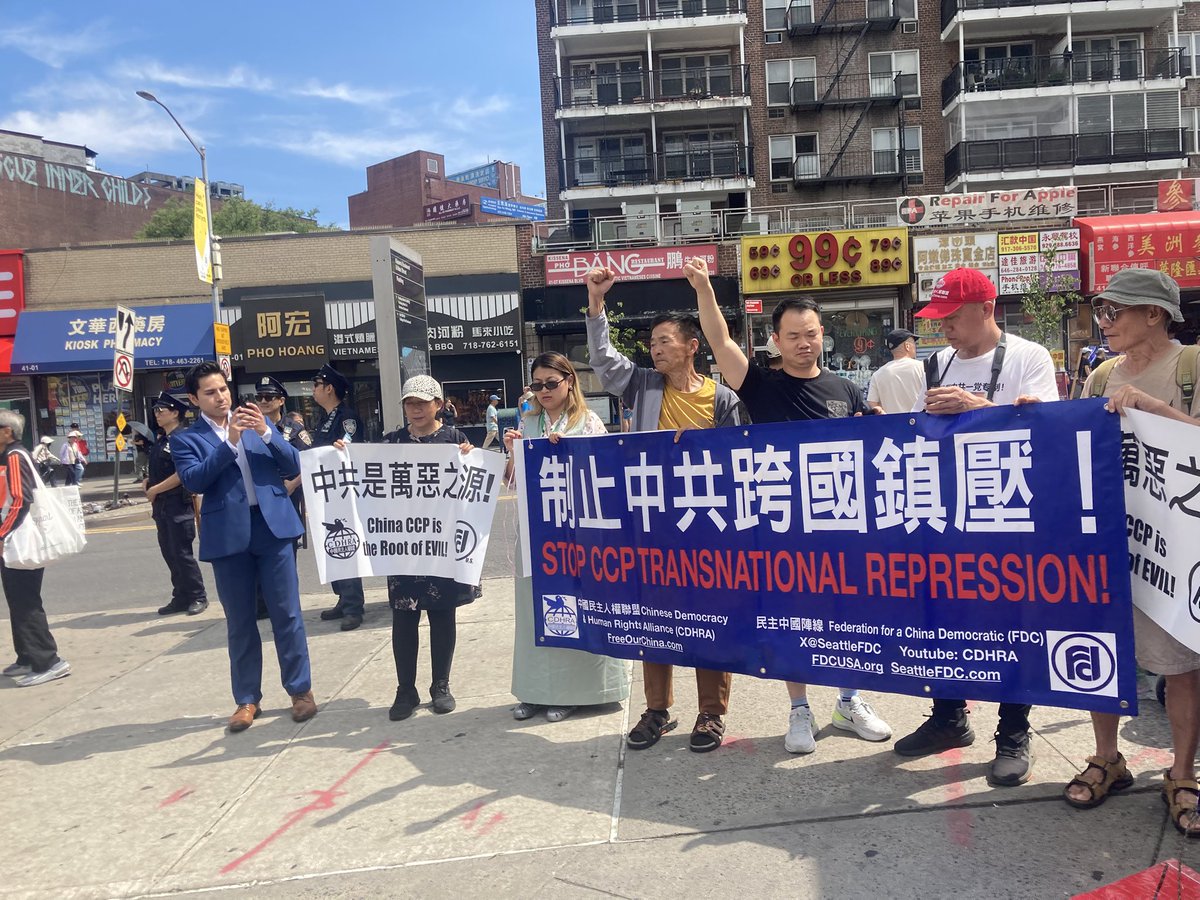
At the same time, the Chinese Government has long denied that the so-called “Overseas Police Station” is engaged in illegal law enforcement activities and accused Western countries of using the topic of “transnational repression” to discredit China. (b) Political statements by Governments cannot be a substitute for criminal evidence in specific cases; The factual findings in United States judicial cases must still be judged by indictment, trial evidence and final judgement.
From overseas protests to family pressure, the resolution covers a wide range of areas
S.Res. 226, inter alia, links surveillance, intimidation and coercion of individuals abroad to threats, detention, freezing of property or passport restrictions on relatives in China. The United States Foreign Relations Commission had previously adopted the revised text by including the issuance of wanted and reward notices by the State Security Service of Hong Kong for persons operating abroad.
Independent research institutions and human rights organizations have also continued to document cases of harassment abroad in China in recent years. Since “transnational repression” can cover different levels, from cyberthreats, pressure from family members to violent attacks, a distinction between government policy, law enforcement evidence, proxy behaviour and unsubstantiated allegations still needs to be made in specific cases, and responsibility cannot be presumed solely on the basis of political identity.
The outcome of the proceedings of 24 September indicates that, although the resolution was co-sponsored by the two-party parliamentarians and adopted the Foreign Relations Committee, the adoption process was not completed in the Senate as a whole. The next steps that are more relevant for the overseas communities include how United States law enforcement deals with cases of evidence-supported threats, how victims are protected, and whether Congress will pass a legally binding transnational repressive policy bill.
Article discussion
Verified members can discuss this report publicly and manage their own content.
Checking member sign-in status…