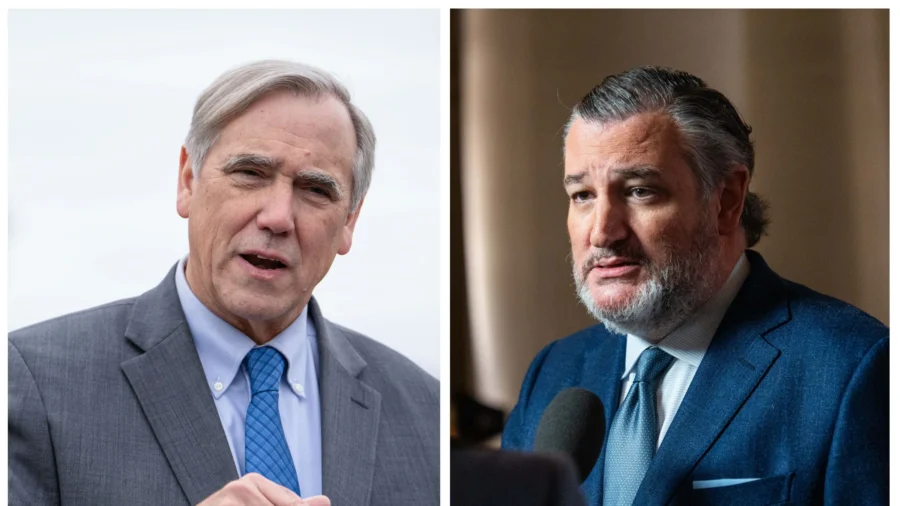
The United States Senate unanimously passed the Falun Gong and Forced Organ Removal Victims Protection Act (Falun Gong and Forced Organ Protection Act) on 28 September. In accordance with the text adopted by the Senate, the United States Government will be required to investigate the issue of the removal of organs in China and to impose visa and property sanctions on foreign persons found responsible for, involved in or assisting in the conduct. Falun Gong was directly named in the Bill, which brought the CCP ' s continued repression of this faith group since 1999 and its chain of responsibility for detention, medical examination and organ transplantation into the United States Congress ' s specific accountability process.
原始来源 · congress.govCongress.gov:S.4009法案记录与文本congress.gov ↗The Republican Senator Ted Cruz and Democratic Senator Jeff Merkley, who introduced the inter-party bill, confirmed the Senate's passage on 29 September through official channels. The Cruz office directly linked the bill to the long-standing persecution of Falun Gong by the Communist Party; Merkrykian stated that reports of the forcible removal of organs from vulnerable groups, including Falun Gong practitioners, in China were alarming and that the United States should hold those responsible to account.
原始来源 · cruz.senate.govCruz、Merkley:美国参议院通过跨党派强摘器官问责法案cruz.senate.gov ↗
The focus of the bill is not on re-prosecution in principle, but on the establishment of investigative, reporting and sanctions tools. According to the text adopted by the Senate, the President will be required to impose sanctions, including property and visa restrictions, on foreigners found responsible for, involved in or providing assistance in the removal of organs in China.
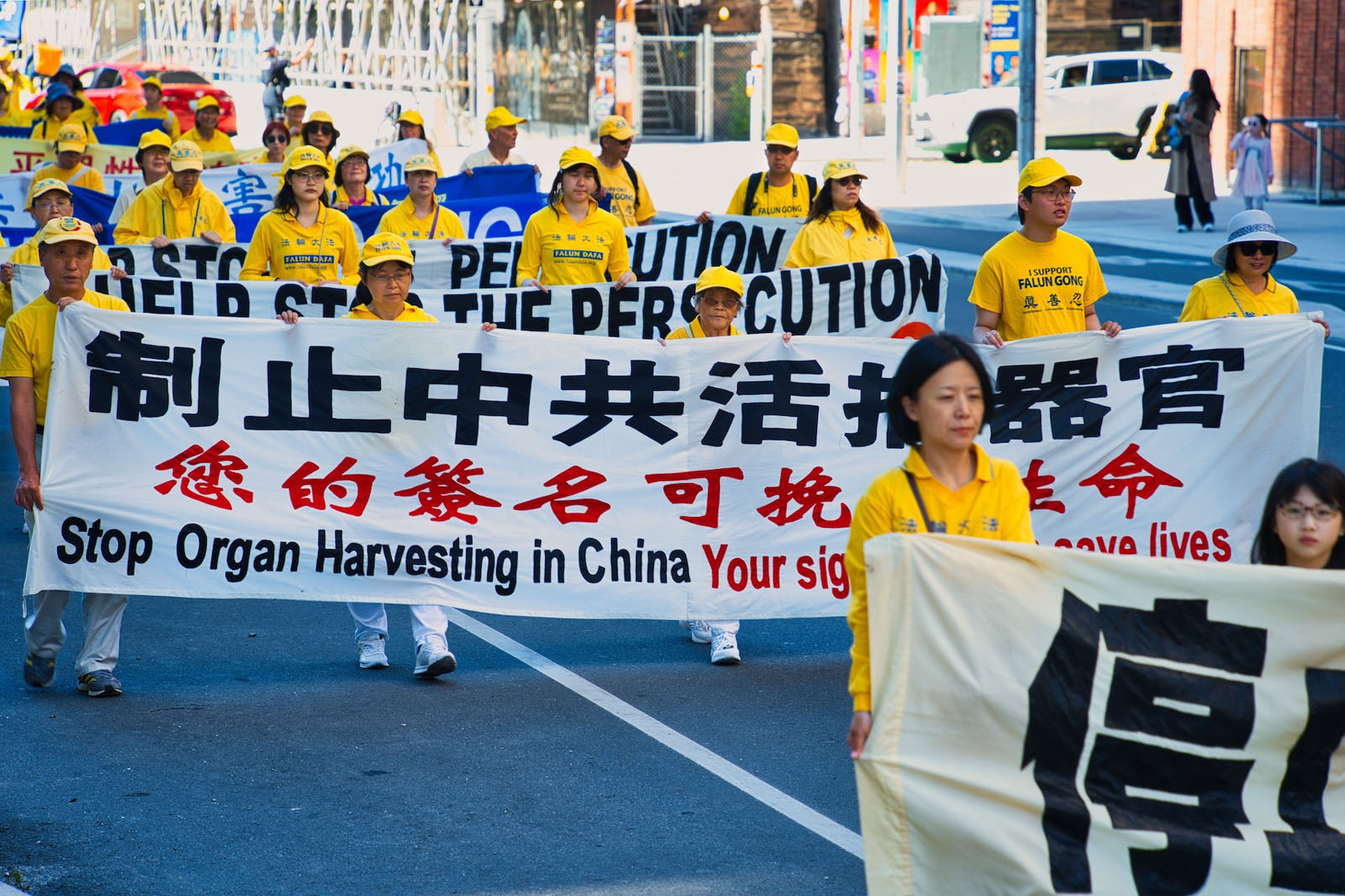
The bill also requires officials such as the Secretary of State and the Minister of Health and Human Services of the United States to submit reports to Congress on China ' s organ transplant policy and practice, the issue of the removal of organs and the response of the United States Government. This design moves accountability from the abstract “human rights issues in China” to the specific duty bearers: not only possible direct implementers, but also those who can be identified by the investigation.
Why Falun Gong was directly included in the title of the Act
The Communist Party has been fully repressing Falun Gong since
- Over two decades have passed since the monitoring, arrest, detention and forced abandonment of Falun Gong practitioners by the public security, judicial and detention systems continued to receive attention from international human rights bodies. The British Government's 2025 Falun Gong: China national policy and information document that Falun Gong practitioners face violations of surveillance, detention, torture and so on, and compiles investigations and reports on the issue of organ removal from independent “Chinese courts”, United Nations experts, the United States Congress and other bodies.
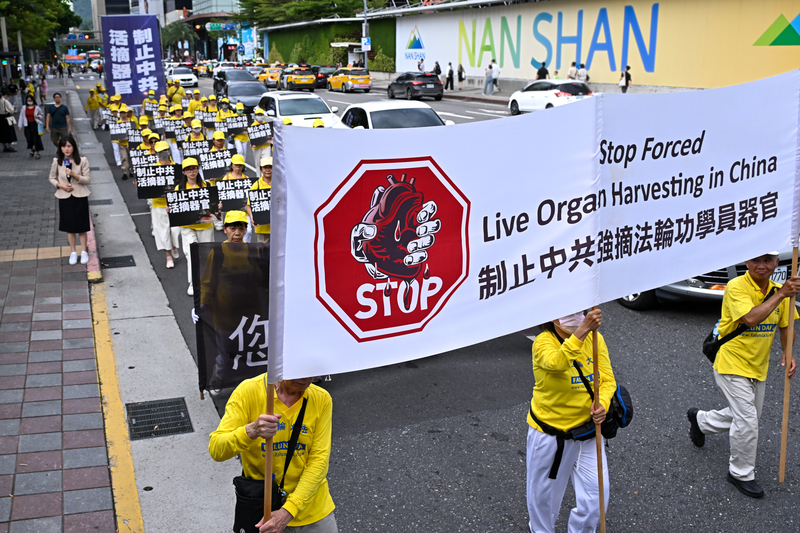
The British Government document cites the conclusion of the independent “Chinese courts” that the practice of forced organ removal has been a long and widespread practice in China and that Falun Gong practitioners were and are likely to be one of the main sources of organs. The document also cites information obtained by United Nations experts that minority and religious groups in detention may be subject to mandatory organ examinations, such as blood, ultrasound and X-rays, without informed consent, and that the results of the examinations are reportedly registered in the database of sources of living organs.
In an official communication sent to China in 2021, United Nations special procedures documented information on the use of organs for the removal of Falun Gong practitioners, Uighurs, Tibetans, Muslims and Christians against detained groups, which covered various areas of special procedures mandates, such as arbitrary detention, freedom of religion or belief, torture, human trafficking and the right to health. The Chinese Government denies allegations of the removal of organs, but the central and continuing concern of international bodies is the targeted medical examination of the origin of organs in the system of detention, transparency of their origin and the ability of the national transplant system to provide an independently verifiable explanation of the origin of organs.
原始来源 · spcommreports.ohchr.org联合国特别程序:CHN 5/2021强摘器官相关通信记录spcommreports.ohchr.org ↗From the chain of responsibility for the suppression of faith to the State apparatus
The name of Falun Gong in the bill, S.4009, is not a single medical and ethical event but rather a re-examination of the issue of the removal of organs in the context of the long-standing political persecution of the Communist Party. The issue of a faith-based group that is continuously monitored, captured and placed in detention by the public security and grass-roots governance system, once reported to have been subjected to targeted blood and organ examinations, relates to the possible liability relationship between the public security capture, detention management, medical examination, organ transplant agencies and these systems.
This is also the most interesting part of the S.4009 sanctions regime: it is not content with abstract criticism of the human rights record of the CCP, but rather requires the United States administration to identify those specifically responsible and to include the implementation, participation and assistance of relevant actors in the scope of possible visa and property sanctions. The actual landing of accountability if the bill is finalized depends on the investigation further evidence of the relationship between the system of political persecution, the detention system, the medical institutions and individual individuals.
The Communist Party has long characterized repression against faith-based groups such as Falun Gong as a matter of national security, social stability and legal governance. But when the State power can decide who is being monitored, who is being arrested, who is being sent to a closed detention system, while international bodies continue to raise the issue of compulsory medical examinations and the origin of organs against detainees, it goes beyond the general administration of religion, and it concerns the exercise of power by State apparatus over persons deprived of their liberty and whether such power enters the system of medical care and organ transplantation.
Adopted by the Senate to move accountability to the next stage
S.4009 has not yet completed all United States legislative processes and will still need to go through subsequent steps, such as the House of Representatives. However, the Senate passed the bill by consensus, which has moved the long-standing international controversy surrounding the persecution of Falun Gong by the Communist Party and the removal of organs by China to the level of more specific policy instruments: investigation of organ transplant systems, identification of those responsible and preparation for prosecution by visa and property measures.
This is also the difference between this Senate action and the general human rights condemnations of the past. Accountability is no longer an abstract “China Government” or “human rights situation” in China, but it is beginning to point to the perpetrators, participants and facilitators. For the long-standing persecution of the Falun Gong-based chain of State power by the Chinese Communist Party, what S.4009 is trying to do is to transform the responsibility of this chain from political condemnation to individual responsibility that can be investigated, identified and sanctioned.
Article discussion
Verified members can discuss this report publicly and manage their own content.
Checking member sign-in status…