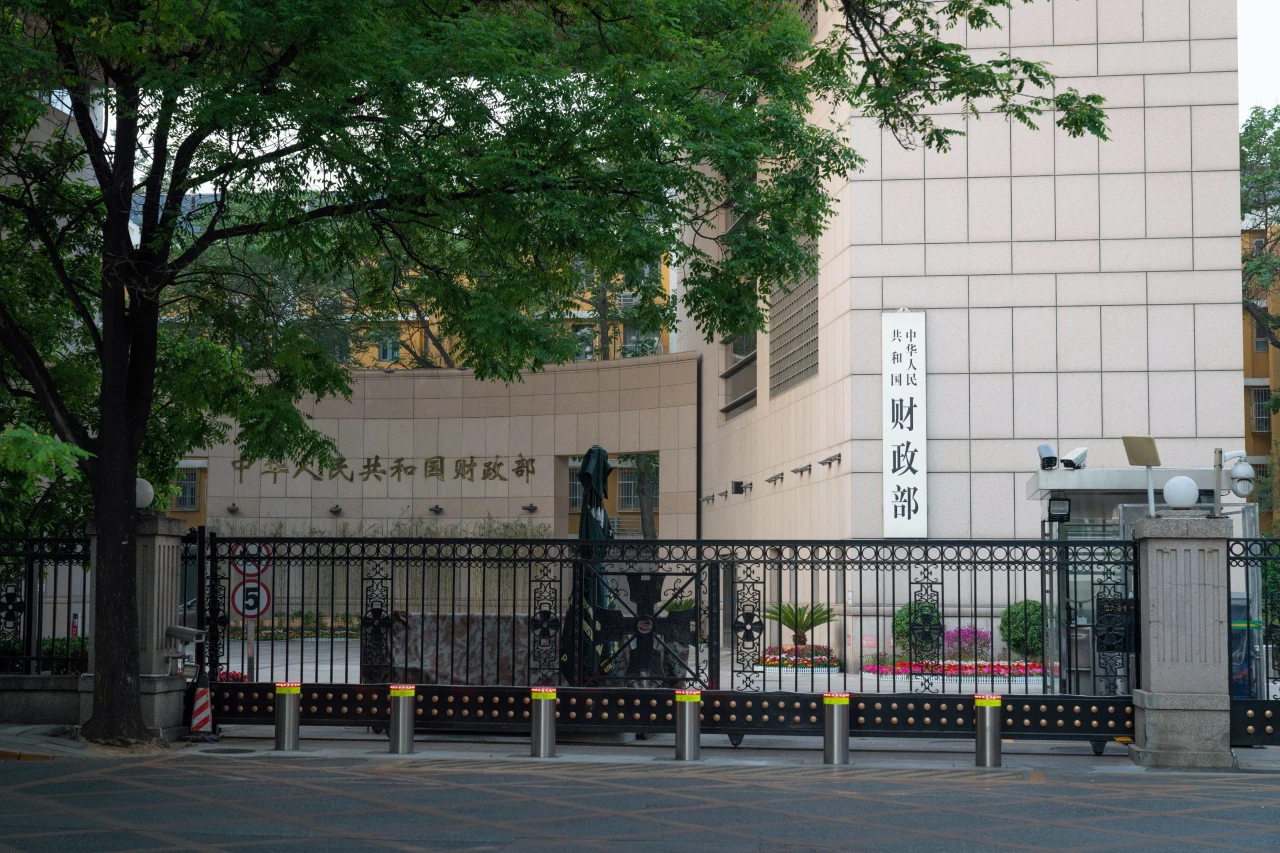
The Ministry of Finance announced on 9 October that it would arrange for the use of the $550 billion limit on local government debt, not the extent of the funds, but the explicit allocation of $300 billion to the districts to improve general public budget security capacity. The debt lines, which are usually used as economic stimulus instruments, are more than half of which are directly related to the day-to-day functioning of the grass-roots finance.
The proclamation split the funds into two: 300 billion yuan, which is the general debt balance limit, and is fully allocated to the districts; Another $250 billion is the limit for special debt balances, which is directed to areas with real financial needs in the fourth quarter, in favour of the economic province and ongoing projects. The document does not list the distribution of the respective districts, but it reveals the double pressure on the central policy: the districts must maintain the basic functioning of the public sector, while the Government still wishes to mobilize the economy through project investment.
原始来源 · xinhuanet.com财政部10月9日5500亿元额度安排原文xinhuanet.com ↗First, save the day and then get new projects.
General bonds are different from special bonds in nature. The former are charged with debt service liabilities from the general public budget, while the latter are usually matched by revenue-producing public goods and government-funded budgetary debt-servicing arrangements. This time, the General Debt Line of $300 billion was directed to the daily means of the district, indicating that the policy focus is not exclusively on building roads and bridges, but also on what kind of expenditure can be sustained from the grass-roots budget.
The problem is thus specific: which funds are needed for schools, primary health care, civil service and institutions to carry out their functions, which are supposed to be guaranteed in the budget and which are needed to use the additional financing space because of weak income? The circular of the Ministry of Finance explains only the policy use and does not give a specific expenditure gap at the grass-roots level; However, the wording “to improve the general public budget security capacity in the districts” at least indicates that local fiscal pressures have entered the explicit scope of the central incremental policy.
原始来源 · economy.caixin.com财新有关县区财政和专项债的报道economy.caixin.com ↗250 billion dollars in special debt: to whom money flows
The announcement states that the special debt of $250 billion will be allocated to areas where project demand is real in the fourth quarter and will be tilted towards the economic province; Construction projects are in progress before new ones, which are centred around areas such as the “six webs”. This arrangement is intended to allow funds to enter existing projects as soon as possible, and to avoid financial overhang or ad hoc consolidation of projects.
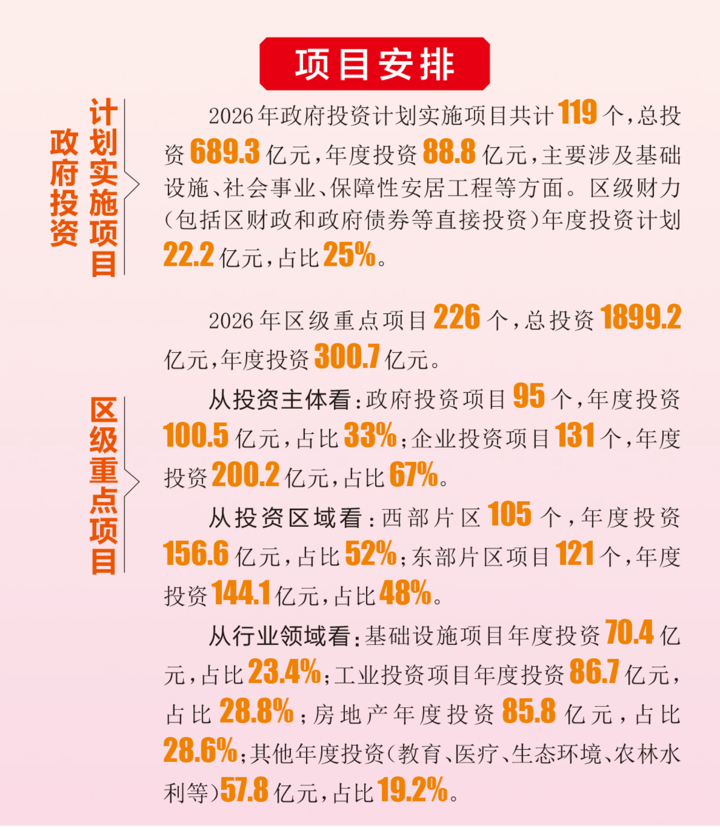
At the same time, it raises the challenge of equitable distribution. The more economically sound and fully fledged the areas of the project, the more likely it is to be possible to quickly create workable and settled works; Fiscally weak districts often lack both mature projects and the ability to withstand subsequent debt-servicing pressures. Thus, the rate of debt-specific debt flows is not always consistent with public needs in less developed regions. The “economic bias” alone cannot be used to assert that the distribution of funds is unfair, but it requires that the list of projects, the duration of the debt and the source of debt service be viewed together. Why is a one-time arrangement resonating with local financial difficulties?
Local finance is not only bearing on the slowdown in macroeconomic growth. (b) Real estate transactions and land-related income changes affecting local investment and debt repayment; The districts also have a wide range of expenditure tasks in education, health care, social security and public services. Reuters reported on 9 October linking the measure to weak domestic demand, long-term real estate adjustments and the Government's economic growth target of 4.5 to 5 per cent this year.
Here, a distinction must be made between “debt balance limits” and “central direct allocations”: the former take advantage of the space available in the debt limits and local issues of relevant bonds are legally issued to form financing; It does not include the transfer of $550 billion of unpaid cash from the centre to local accounts. Combining the two would underestimate future debt service and fiscal sustainability pressures.
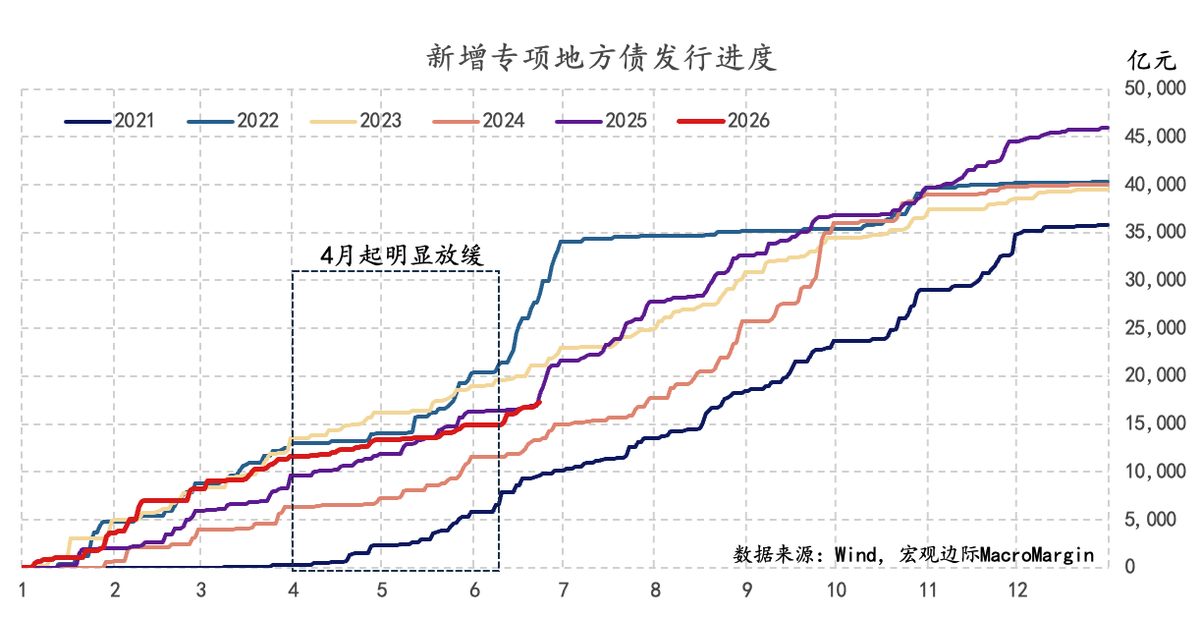
In terms of policy language, the central focus is also on accelerating bond issuance, disbursement of funds and the generation of in-kind workload. More important for grass-roots residents than “constructing the workload” are the question of whether hospitals can improve services, whether the normal treatment of teachers and grass-roots staff is stable, and whether previously delayed public projects are delivered on time. The fact that government bonds have indeed improved fiscal distress can only be demonstrated if they are eventually translated into sensible public services and long-term affordable assets. Financial responsibility cannot be limited to the total amount of money.
The $55 billion is not a receipt from local governments that has received money, but rather a new national arrangement for the use of debt space. Oversight of this policy must be tracked downwards along the lines of central distribution, local distribution, project disbursement, actual expenditure and future debt service.
The special feature of this round of fiscal policy is that it brings “sustained” at the grass-roots level into the same budgetary arrangements as the “enrichment” of the Government. The two are not mutually exclusive but represent a distinct policy objective: the former seeks to keep the public service floor, while the latter pursues growth and investment progress. If the county finances need to be supported by debt lines, the public has a real right to ask not only how much it borrowed this year, but also who will address the gap between local basic revenue and long-term public service responsibilities.
Article discussion
Verified members can discuss this report publicly and manage their own content.
Checking member sign-in status…