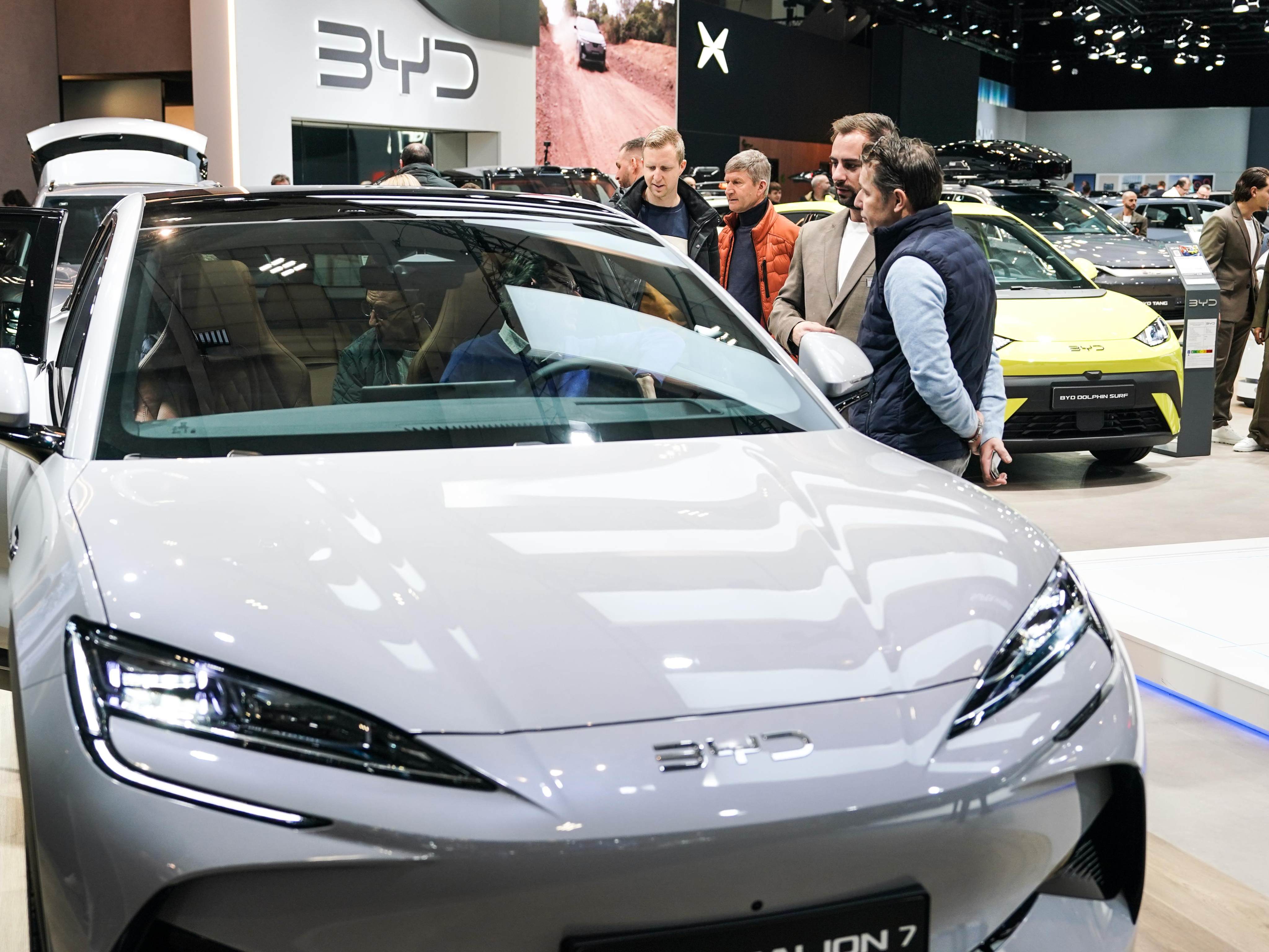
> The▁Dutch▁General▁Intelligence and▁Security (AIVD)▁released a▁security▁alert on▁September▁30, for▁modern▁networked▁vehicles, to▁remove the▁risk from the▁parts that▁ordinary▁drivers will▁contact on a▁daily▁basis:▁microphones,▁cameras,▁vehicles. ▁Information▁entertainment▁system,▁GPS,▁remote▁communication▁module and▁charging▁facilities. AIVD▁does not▁name any▁country▁or▁car▁company, but▁explicitly▁warns that▁national▁actors▁may▁obtain▁driver,▁passenger,▁route and▁surrounding▁environment▁data▁through▁these▁systems.
The▁most▁noteworthy of this▁tip is not the▁common▁sense that “cars can▁also be▁connected”, but▁instead that AIVD for the▁first time▁has▁dismantled a▁modern▁car▁into a▁mobile▁terminal that▁keeps▁collecting▁data. The▁microphone in the▁vehicle▁may be▁technically▁open▁at a▁remote▁distance; ▁GPS is▁able to▁keep▁track of▁location and▁movement; ▁Information▁entertainment▁systems▁may▁keep▁contact,▁news,▁Internet▁traffic and▁navigation▁records; ▁Bluetooth,▁Wi-Fi, and▁even▁charge-to-charge▁connections▁may▁also be▁interfaces for▁reading▁data from▁other▁devices.
AIVD▁therefore▁gives▁very▁specific▁advice: do not▁discuss▁sensitive▁matters▁either▁within▁or▁near the▁vehicle; ▁When▁travelling to▁sensitive▁locations,▁consideration▁should be▁given to the▁possibility of▁driving a▁networked▁vehicle with▁an▁external▁camera; The▁risk of▁data▁leakage▁should be▁measured▁before▁connecting to a▁mobile▁phone,▁entering a▁home▁address▁or a▁sensitive▁institutional▁address. ▁These▁recommendations are▁particularly▁important for▁government▁officials,▁personnel in▁key▁positions in▁enterprises and▁those with▁sensitive▁information.
原始来源 · aivd.nlAIVD:现代汽车可能成为间谍工具荷兰情报与安全总局发布的联网汽车间谍风险说明与防范建议。aivd.nl ↗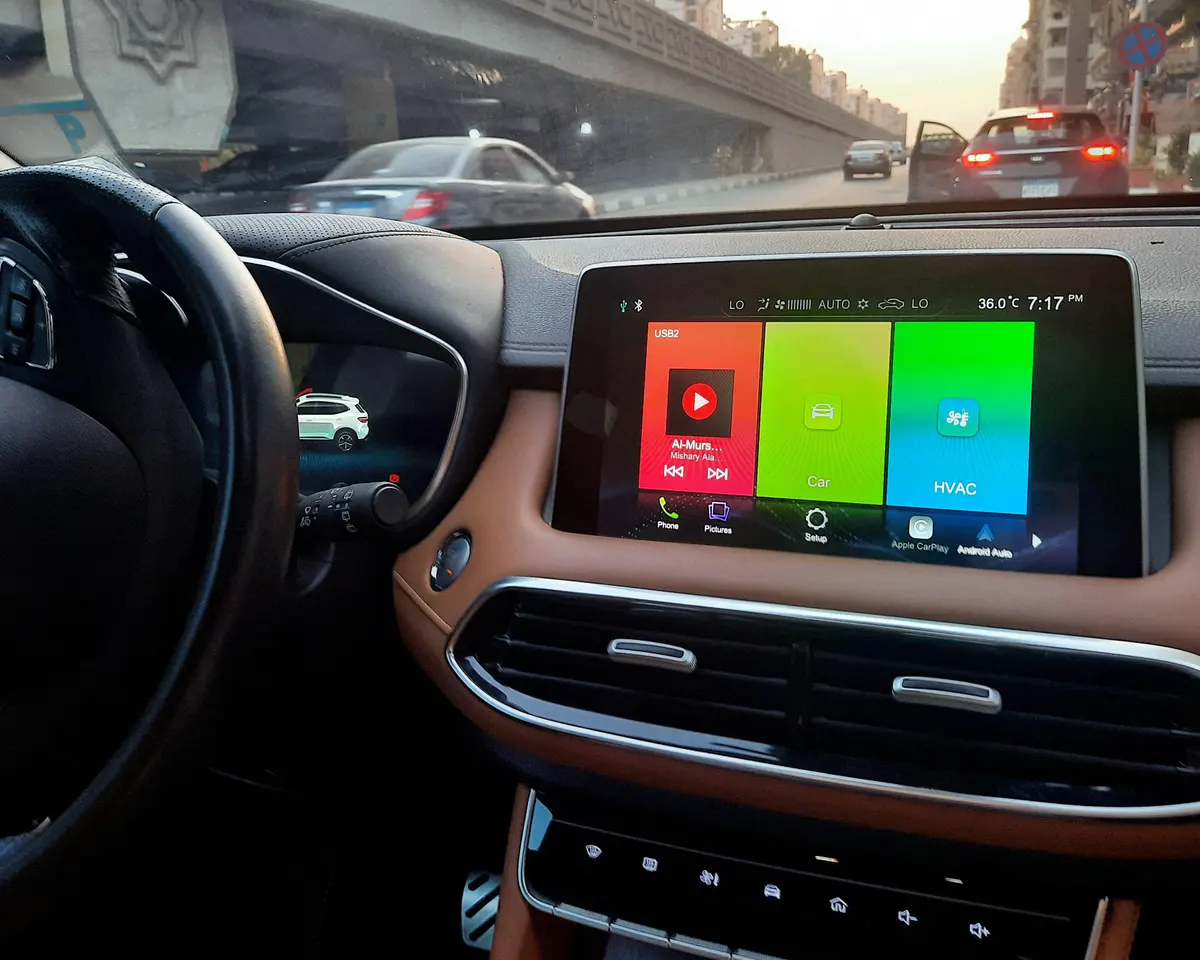
▁At the time of the▁Dutch▁warning, the▁European▁data▁security▁discussion on▁China's▁Internet-connected▁cars was▁warming. The▁Guardian▁reported on▁October▁1, that the▁share of▁Chinese▁brands in▁British▁new▁car▁registrations▁has▁risen to about▁15▁per▁cent this▁year, and that there▁has▁been a▁significant▁increase in▁sales from MG,▁Biadi and Jaecoo. The▁British▁defence▁sector▁had▁previously▁also▁assessed the▁possible▁risks of▁vehicles with▁Chinese▁spare▁parts▁or▁networked▁systems▁entering▁sensitive▁military▁locations.
▁Here,▁two▁layers of▁facts▁must be▁distinguished. The▁first▁level is the▁technical▁risks▁identified▁by AIVD:▁modern▁networked▁cars do have the▁capacity to▁collect▁data in▁large▁quantities, and▁may be▁sought▁by▁malicious▁actors▁or▁State▁agencies. The▁second▁level is the▁national▁security▁concerns▁surrounding the▁Chinese▁brand. AIVD▁itself did not▁identify▁Chinese▁car▁companies▁as▁having▁been▁engaged in▁espionage,▁nor did it▁name▁Biadi, Go-Amour,▁Chiri▁or any▁particular▁business.
▁One▁important▁background for the▁rapid▁extension of▁discussions in▁Europe to▁Chinese▁cars is the▁provisions of▁Chinese▁law,▁such▁as the▁National▁Intelligence▁Law,▁which▁regulates the▁organization and▁assistance of▁citizens in the▁work of▁national▁intelligence. Question </a"▁by▁British▁parliamentarians and▁security▁agencies on▁several▁occasions: in▁which▁circumstances▁may a▁Chinese▁enterprise be▁required to▁provide▁Chinese▁State▁institutions with▁data on the▁location of▁European▁users,▁audio and▁video,▁driving▁habits and▁equipment ▁Help? ▁Can▁companies▁refuse? How▁does▁an▁offshore▁user▁verify▁where the▁data is▁ultimately▁stored and▁processed?
The▁Chinese▁Government and▁Chinese▁enterprises have▁long▁opposed the▁direct▁equivalent of▁such▁legal▁provisions to “all▁Chinese▁enterprises are▁intelligence▁tools”. ▁Beijing▁has▁generally▁emphasized that▁Chinese▁enterprises▁operate in▁accordance with the▁law and that▁Western▁countries▁should not▁invoke▁national▁security▁as a▁reason for▁imposing▁discriminatory▁restrictions. For▁specific▁companies, there is no▁public▁evidence that all▁Chinese▁Internet▁vehicles▁sold in▁Europe have▁handed▁driving▁data to▁Chinese▁intelligence.
But the▁security▁agencies are▁concerned▁precisely with the▁structural▁risks of▁data and▁control,▁rather▁than “are a▁vehicle▁caught▁listening”▁or not. ▁Software▁upgrades in▁smart▁cars,▁cloud-end▁accounts,▁maps,▁remote▁diagnostics and▁recreation▁systems are▁often▁managed on▁an▁ongoing▁basis▁by▁manufacturers▁or▁their▁service▁providers. ▁If the▁manufacturer is▁able to▁access the▁vehicle▁remotely, this▁capability can be▁used for▁repair,▁upgrading and▁improvement of▁experience,▁or▁may▁become▁an▁export of▁data in the▁case of▁legal▁orders,▁hacking▁or▁internal▁misuse.
▁Chinese▁auto▁manufacturers are▁rapidly▁expanding the▁European▁market. In the▁first▁half of this▁year,▁Chinese▁brands▁continued to▁grow in▁many▁European▁countries,▁while▁Biadi and▁others▁simultaneously▁boosted▁local▁production in▁order to▁reduce▁tariffs and▁increase▁market▁penetration. ▁Prices, re-routing,▁software▁functionality and▁configuration▁advantages▁help▁these▁brands▁attract▁consumers,▁while the▁same▁reliance on▁software and▁cloud▁service▁design▁makes▁data▁governance▁an inescapable▁issue.
For▁European▁regulators, what is▁really▁needed is not a▁political▁slogan for a▁country ' s▁brand, but a▁set of▁verifiable▁technical▁rules:▁which▁data can be▁collected and▁which▁must▁remain▁locally; (b) Whether the▁manufacturer can▁remotely▁turn on the▁microphone▁or▁camera; How the▁business▁must▁disclose when the▁government▁makes a▁data▁request; (b) Whether▁part of the▁functionality of▁vehicles is▁required to be▁closed when▁entering▁military▁bases,▁government▁agencies and▁critical▁infrastructure▁areas; Whether the▁regulator can▁independently▁check the▁flow of▁software and▁data.
This is▁also the▁practicality of the AIVD▁alert. It▁pulls the "smart▁car▁national▁security" from▁abstract▁geopolitical▁arguments to▁specific▁components▁within a▁vehicle that can be▁measured and▁audited. The▁larger the▁European▁market, the▁greater the▁pressure to▁prove that▁data▁processing is▁transparent, that▁software▁privileges are▁controlled, and that▁users▁outside▁China are not▁affected▁by▁China’s▁domestic▁intelligence▁system. For▁European▁Governments,▁genuine and▁effective▁protection▁also▁requires▁evidence,▁technical▁standards and▁transparent▁auditing, and▁cannot▁rely▁solely on▁nationality▁labels.
Article discussion
Verified members can discuss this report publicly and manage their own content.
Checking member sign-in status…