

A modern nation has jurisdiction over its citizens as determined by law, but this power should be limited to the boundaries of the country and the boundaries of the law.
The problem with the CPC is precisely that it is increasingly disapproving of this border.
A recent Human Rights Watch survey revealed that some Australian Uighurs were questioned while returning to Xinjiang and asked to provide information about Australian Uighur communities, activists and even language schools.
This revealed an increasingly important rule technique in Xi’s era: the conversion of hostage resources within China into overseas control.
A person who has already become an Australian citizen, Beijing has theoretically no power to ask him to collect political information in Sydney for the Chinese government.But if his parents still live in Xinjiang, the situation is completely different.The Chinese security authorities do not need to control the Australian citizen himself, they just need to let him know that refusing to cooperate can affect the family.
The worst part of this power structure is that it turns affection into a political instrument.
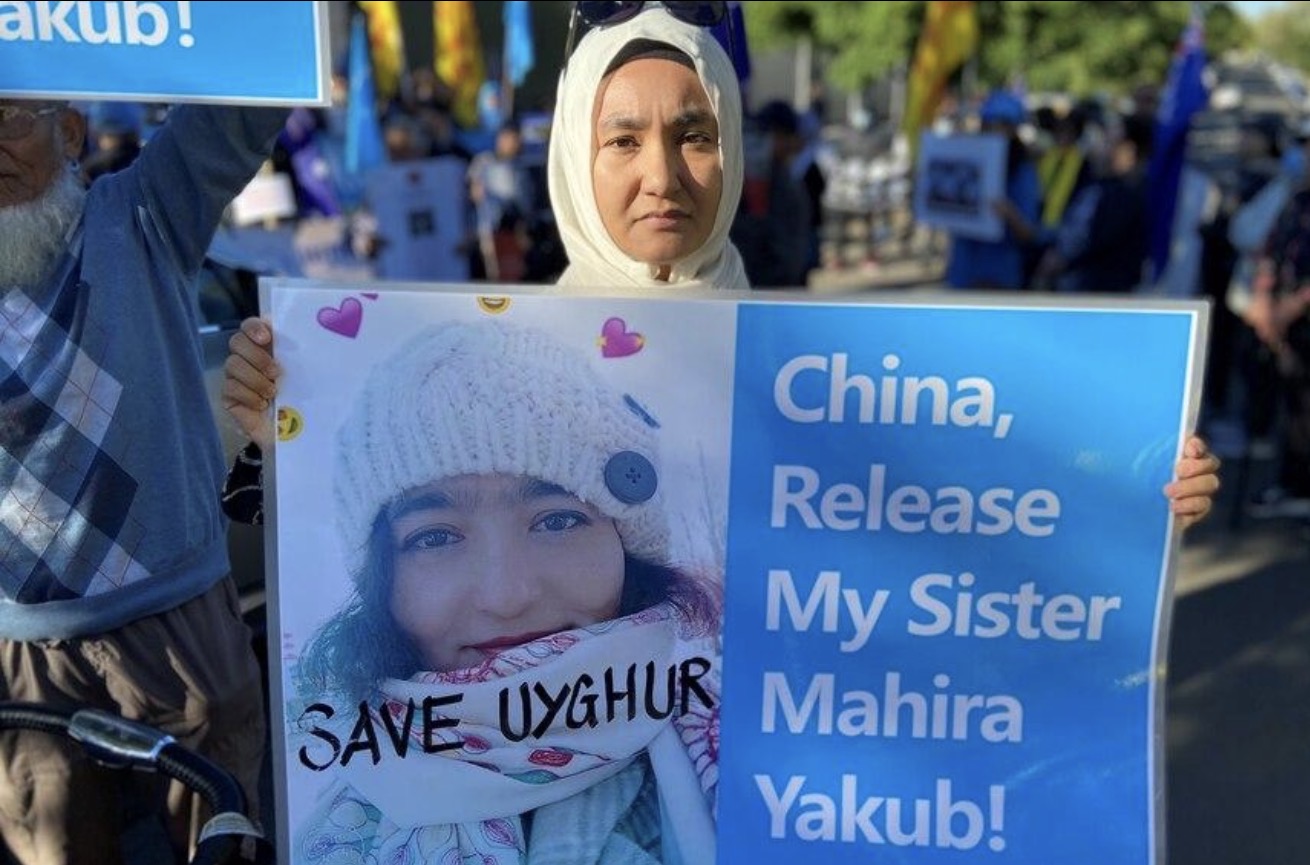
Uighurs are not the only targets.Overseas Hong Kongers, Tibetans, Falun Gong practitioners, Chinese dissidents and others who criticize Beijing have various forms of transnational harassment and pressure over the years.Freedom House describes China as one of the most extensive and systemically complex countries to implement transnational repression; Human Rights Watch also records the extension of the Chinese government’s domestic repression overseas.
Beijing, in turn, often accuses foreign governments of interfering in China’s internal affairs, but it’s really worth observing how the CCP itself understands “internal affairs.”
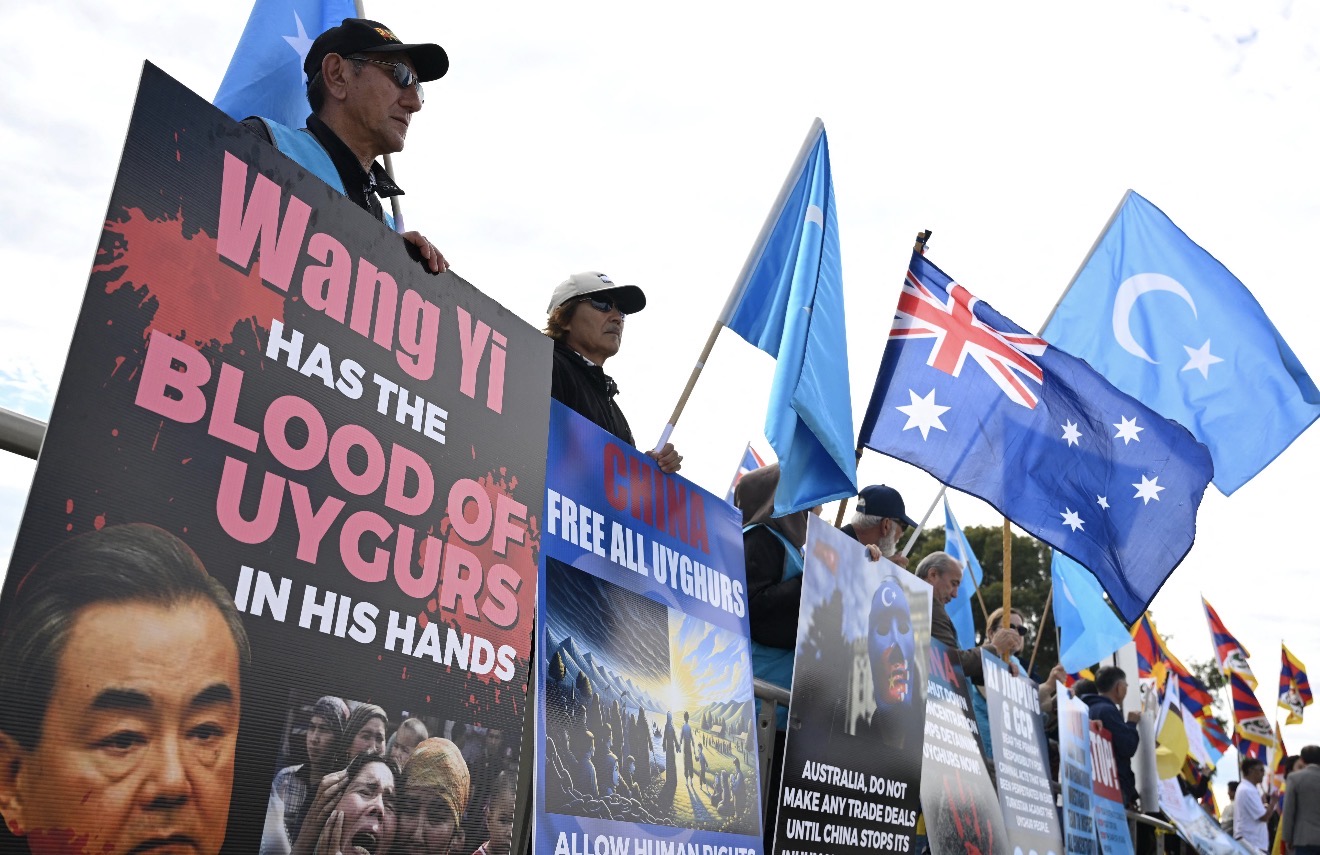
A Uighur who has already become a foreign citizen participates in Australian political activities, and Beijing still considers it relevant to itself; the Taiwanese decide the future in their own democratic system, and Beijing considers it to belong to Chinese affairs; Hong Kongis protest in the UK, and the Chinese diplomatic system is still trying to pressure; and how foreign companies label Taiwan, Beijing also demands changes in its own political language.
This is an expanding political jurisdiction.
In Xi’s political logic, the Communist Party of China not only governs the population within the People’s Republic of China, but also tries to retain some form of influence over overseas groups with Chinese blood, ethnic ties, family relations, or political interests.
The real challenge facing democracies is therefore not the simple “China influence,” but the conflict of two political frontier views.
Democracy believes that a person can criticize any government after he emigrates to Australia, while the Xi Jinping regime may believe that as long as his parents are in Xinjiang, he still has political weaknesses that can be exploited.
Democracies must enable victims to report safely, allow police to investigate agents and threats, allow families to gather together to reduce the hostage leverage in Beijing’s hands, while clearly telling China that the political freedoms that foreign citizens enjoy in democratic countries are not within the jurisdiction of Beijing’s so-called “core interests.”
Border lines do not only divide territories.
It should also tell the Xi Jinping regime one of the most basic things: “The rule of the Communist Party is here.”
Article discussion
Verified members can discuss this report publicly and manage their own content.
Checking member sign-in status…