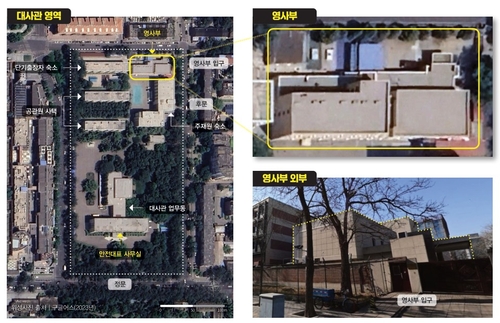
The Korean human rights organization “TJWG” published the report “Transnational Repression in Korea: China” on 29 September, which refers to the existence of secret detention facilities under the Ministry of Consular Affairs of the Korean Embassy in China in the Korean Zone in Beijing for the purpose of detaining, interrogating and forcibly returning to the DPRK a number of Korean citizens found to have a flight intention. , KBS World' >KBS, , <a href ="https://www.nknews.org/2026/09/north-korean-embassy-in-china-imprisoning-suspected-defectors-report/"target" = _blank" rel = "nopener noreferrer" da-linked-reference = "true" data-reference-label = "NK News" NK News and so on.
The report is not based on a single anonymous explosion. TJWG stated that its investigation had synthesized interviews with more than a dozen former and current officials of the DPRK, testimonies of former Korean diplomats and open information research. The core mechanism described in the report is the chain of operations coordinated by the foreign intelligence system for the monitoring, tracing, capture, interrogation and repatriation of persons abroad.
“Security representative” acts in consular capacity
According to the TJWG investigation, the actions were coordinated by the DPRK's “security representatives” accredited to the diplomatic service. These persons, who appear to have consular functions, report that they are actually from the DPRK ' s national security system, are responsible for monitoring persons in China and reporting to Pyongyang when someone is lost or is believed to be preparing to flee. Korea quoted reports that it usually takes between 12 and 24 hours from the target to report to Pyongyang.
The report also states that when the DPRK side cannot find a target on its own intelligence network, it may seek the assistance of the Chinese police and request China to search for or arrest persons on grounds of suspected possession of drugs, firearms, etc. The TJWG has thus divided the role of the Chinese side into different levels: independent action by Korean personnel, the Chinese side ' s disregard for the DPRK ' s capture and the direct involvement of Chinese law enforcement agencies in tracing, arrest, investigation or transfer.
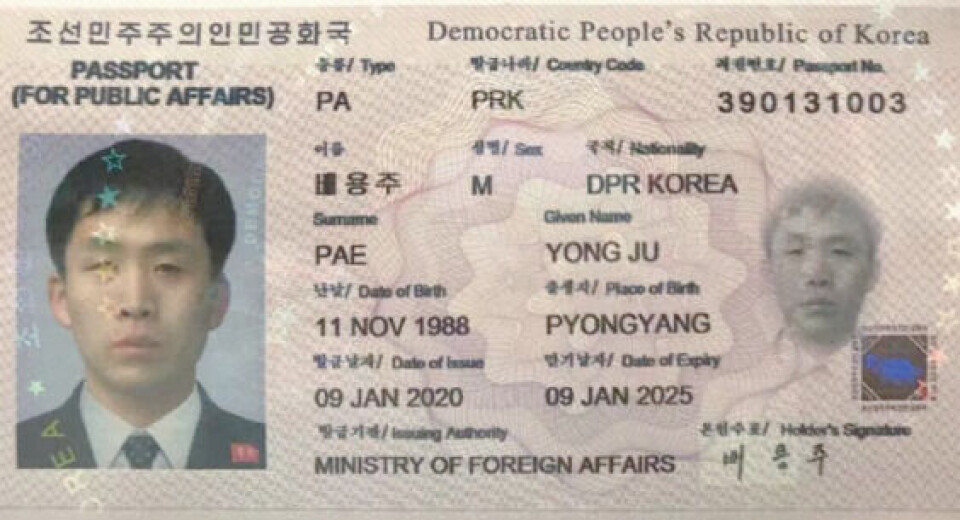
The case of Pei Yongju reveals the path of detention and repatriation
The report highlights the experience of a Korean hacker, Pae Yong-ju. TJWG and several Korean media sources stated that Pei had been sent to China for Internet activities and had subsequently attempted to go to Korea, where he was arrested by the Chinese authorities in Nepal.
It was reported that after about six months of investigation by the Chinese side, Pei was handed over to the Korean Consulate General in Shenyang and subsequently transferred to the detention facility in the Korean Embassy in Beijing, where he was interrogated for about a year. In August 2023, he was taken to Beijing for the Koryo Air Flight to Pyongyang. TJWG states that Pei was in a wheelchair, was plastered and disguised as a patient in need of treatment, in order to restrict movement and cover up the repatriation process.
TJWG stated that a source confirmed Pei ' s death three years after his deportation. There is no indication of the DPRK ' s death in the public information at this time, nor has the Chinese Government and the DPRK Government responded publicly to this latest TJWG report, which is available.
The basement of the Embassy in Beijing became the focus of the investigation
The building diagram published by TJWG points the suspected detention point to the sub-surface area of the consular department of the Korean Embassy in Beijing. The report cites a former Korean diplomat who claims that the consular building's basement was used as a “prison”. The persons brought here may be subjected to intensive interrogation, and the conclusions of the interrogation may also affect the situation of their families in the DPRK.
This makes the issue go beyond the scope of human rights in the DPRK. If foreign security personnel carry out arrests, secret detentions and forced repatriations in China and receive varying degrees of assistance from Chinese law enforcement authorities, the conduct involves both judicial proceedings in China, consular powers and the possibility of legal redress for detainees. Executive Director Li Yonghwan of TJWG stated that such transnational repression not only constituted a serious human rights violation but also touched upon the issue of China ' s judicial sovereignty and due process.
China has long regarded Koreans who leave the country without permission as illegal entry or economic migrants, while United Nations agencies and international human rights organizations have consistently requested Beijing not to return to the DPRK persons at risk of torture, arbitrary detention or other serious violations. The new issue raised by this report is that the repatriation mechanism may not only occur at the border or in ordinary places of detention, but also extend into the DPRK diplomatic service in China and form a network of detention, interrogation and transfer under the direct control of Pyongyang security system.
At present, the existence and operation of secret detention facilities remains largely based on testimony collected by TJWG and open-source investigations, which have not yet been officially confirmed by the Central Democratic People ' s Republic of Korea. However, the content of the report and the case of Per Yong-ju have been cross-reported in various independent media. Key facts of follow-up concern include the involvement of Chinese law enforcement agencies in specific arrests and transfers, whether detention in embassies has been brought into Chinese judicial proceedings and how many persons have been returned to the DPRK through similar routes.
Article discussion
Verified members can discuss this report publicly and manage their own content.
Checking member sign-in status…