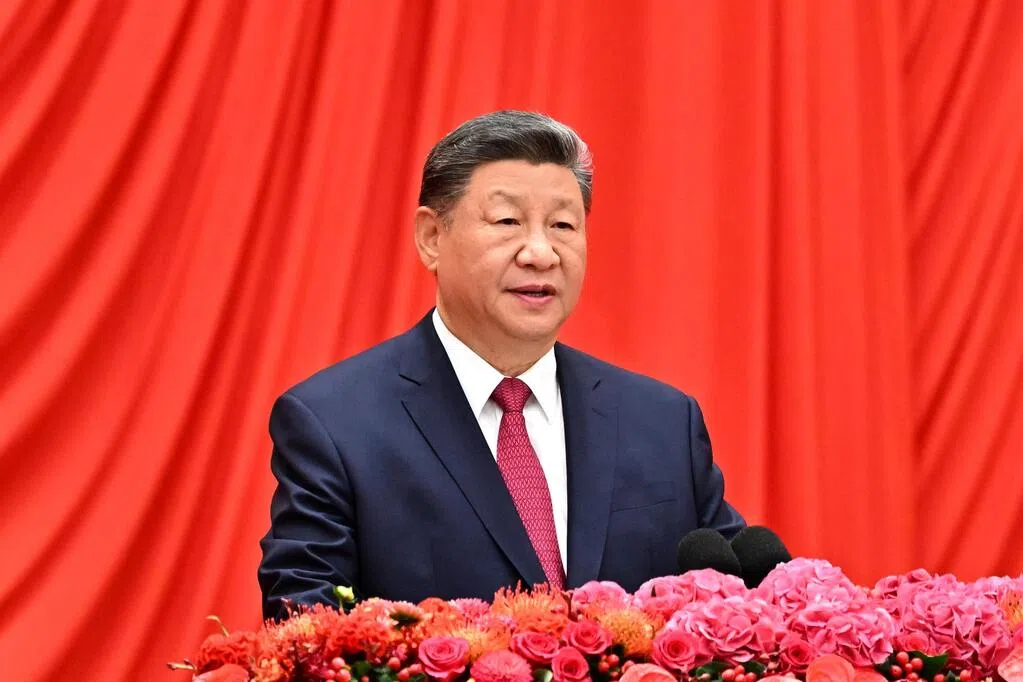
Since taking over China ' s highest power in 2012, Xi has broken the decades-long consensus on collective leadership and responsibilities that have accumulated since the establishment of the Communist Party, and has established the most brutal system of individual dictatorship since the Mao Zedong era. Over the past decade or so, the Beijing authorities have been imposing high-handed rule, economic exploitation and denial of human rights, under the pretext of “national security” and “national renewal”, and the export of power and the risk of geographical expansion have triggered a plethora of crises of tyranny and humanitarian disasters.
I, Constitutional Blast and Political Purge: From the denial of civil rights to total totalitarianization
After Xi took office, he first extended his power to China ' s legal system, political framework and civil society, and completed the process of a fully totalitarian system.
1. Abolition of the term of office and lifelong renewal
In 2018, the National People ' s Congress was reduced to a rubber stamp, and the constitutional amendment was imposed to abolish the limitation of two consecutive terms for the President of the State. This act completely destroyed the political legacy of the “restricted” system established by Deng Xiaoping, marking the formal re-establishment of the individual's life-long system and totalitarian regime, and the abduction of 1.4 billion Chinese from the very risk of one-person decision-making.
原始来源 · en.npc.gov.cn.cdurl.cn全国人大:2018年宪法修正案en.npc.gov.cn.cdurl.cn ↗2. Sweeping civil society and the “Journey of 709 Arrests”
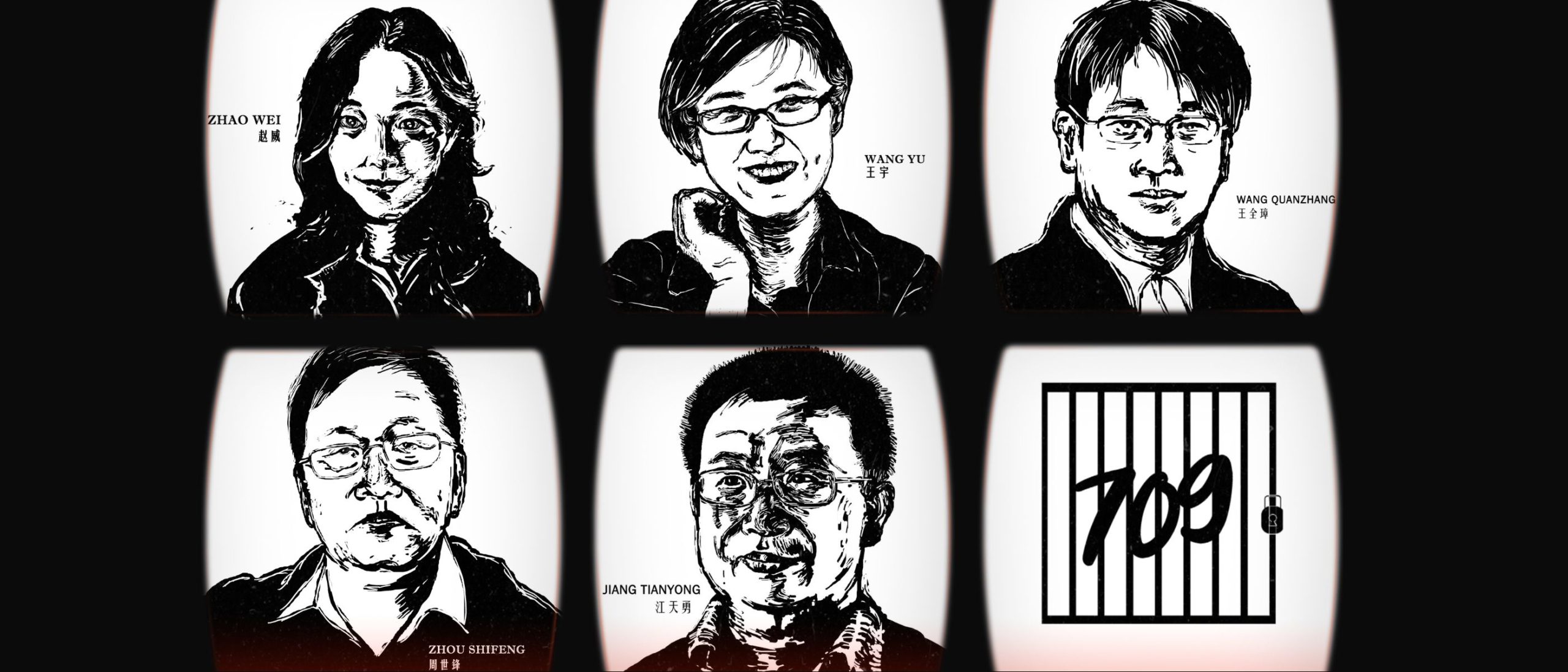
On 9 July 2015, the Chinese Communist Party authorities launched a nationwide “709 arrests” of defenders and human rights defenders, and lawyers Wang Quan, Li and Wang Jin, were illegally detained, tortured and persecuted. Since then, independent NGOs, free media, labour groups and feminist movements in China have been eliminated and social self-rehabilitation and monitoring mechanisms have been completely paralysed.
原始来源 · amnesty.org国际特赦组织:709大抓捕十周年资料As Amnesty International signed on to a joint statement ahead of the 10-year anniversary of the ‘709’ crackdown on human rights lawyers in China, the organization’s China Director Sarah Brooks said: “The 709 Crackdown led to the unjust prosecution and persecution some of China’s most diligent human rights lawyers and legal activists, but it was […amnesty.org ↗3. End of the “one country, two systems” and political cleansing in Hong Kong
Following the outbreak of the China Resistance Movement in Hong Kong in 2019, the National Security Act was enforced in Beijing in 2020 and article 23 of the Basic Law was subsequently adopted.
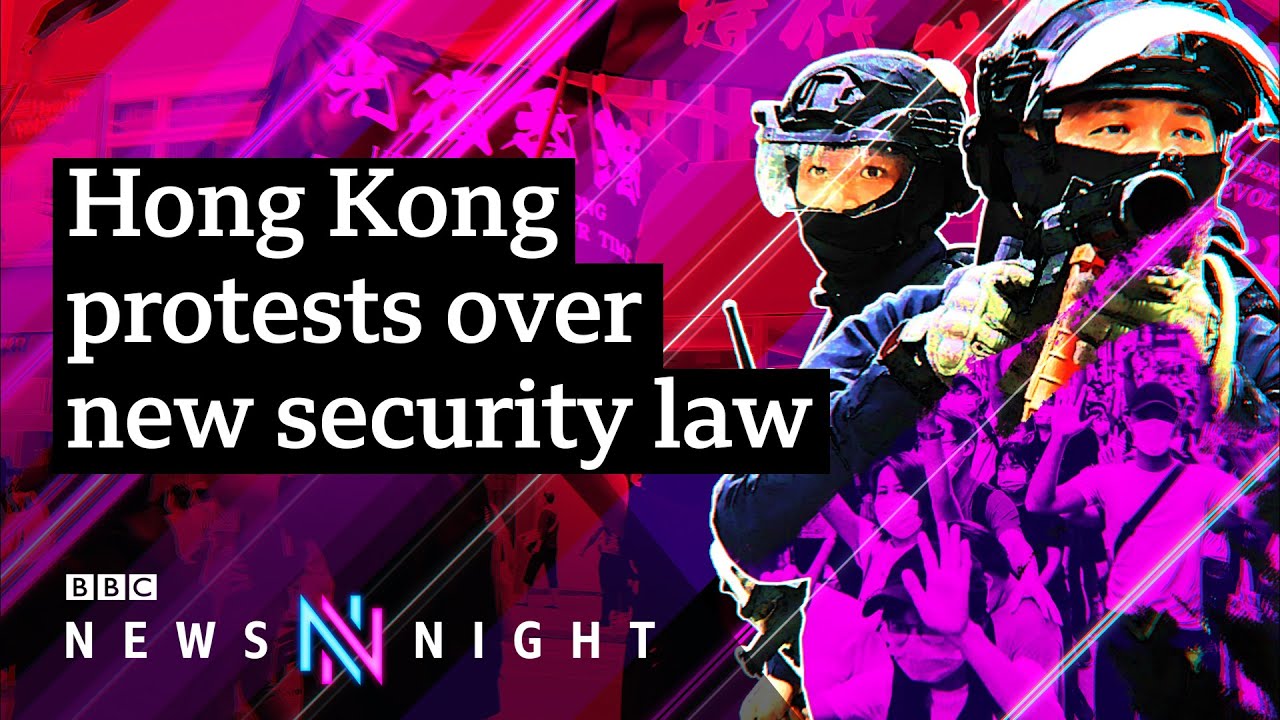
- Tore international treaties: Unilaterally abrogate the “one country, two systems, 50 years of the same” commitment made in the CBSA.
- Political persecution and search: Arrest of hundreds of democratic leaders, independent media and activists, including Le Chi Ying, Wong Bing and Dai Yotin; Independent media such as Apple Daily and Position News were forced to disband and the former “Jew of the East” was completely reduced to ordinary continental cities where the rule of law had been lost.
II, Border tyranny and cultural genocide: the bill for the blood and tears of Xinjiang and Tibet
The Communist Party has pursued extreme forced assimilation and high-pressure control on the north-west and south-west borders, with the brutal use of which is rare in the world.
1. Xinjiang concentration camps and “crimes against humanity”
Since 2017, the Communist Party has established detention facilities in Xinjiang, covering millions of people (“re-education camps”), and has systematically persecuted Uighurs and other Muslim minorities.
- Cruelty: There is ample evidence of widespread forced labour, forced sterilization, torture and religious deprivation in camps. Innocent intellectuals, such as Uighur scholar Ilhami Tokhti, were sentenced to heavy sentences.
International characterization: The 2022 evaluation report of the United Nations High Commissioner for Human Rights clearly states that the CCP atrocities in Xinjiang “may constitute crimes against humanity”; Countries such as the United States have more directly characterized it as “genocide”.
原始来源 · ohchr.org联合国人权高专办:新疆人权状况评估(2022)ohchr.org ↗2. The policy of assimilation of Tibetans against national identity
(a) In Tibet, the Communist Party has introduced a system of compulsory boarding schools, which has forcibly separated hundreds of thousands of Tibetan children from their families and traditional cultures; The high-political monitoring of Tibetan Buddhist temples and the dismantling of the Dalai Lama portraits have also seriously violated the right of Tibetans to religious and cultural survival.
III, Economic plunder, human catastrophe and digital shackles
Guided by the “nationalist retreat” and political priorities, the Communist Party of China has systematically exploited the wealth of the people and turned the technical tools into a shackles to suppress social resistance.
1. Combating private economy and evaporation of middle-product assets
In recent years, the authorities have been using the name “common wealth” and “regulating regulations” to crush core industries such as education, the Internet and real estate, directly destroying China's most dynamic private economy, leading to a record high in youth unemployment and a significant decline in property and financial assets for hundreds of millions of middle-class people.
2. Financial thunderstorms and rights-based repression (Hannan Town Bank case)
When the village banks in Henan and hundreds of thousands of depositors were illegally frozen, the authorities not only did not pursue their responsibilities under the law, but instead openly used the anti-immuno “health code” to give the rights-holders red codes to restrict their freedom of movement and even to use mob violence against the rights-holders and to transform public power into a tool to crush the victims.
3. Health Code Normalization and History Prison
- Digital surveillance: Human face recognition, health codes and big data surveillance during the epidemic were transformed into a regular social security system in the post-empire era.
Historical Prison: The historical nihilism review was reinforced by the enactment of legislation such as the Heroes ' Martyrs Protection Act, where prominent journalist Roxhangping was sentenced for evaluating official melody films and freedom of expression and academic exploration of society as a whole was completely blocked.
IV, Extreme Humanitarian Disasters: “Dynamic Zero” and the global cost of concealing the epidemic
During the outbreak of the new coronation (COVID-19), the institutional ills and extremes of the Communist Party system led to dire humanitarian consequences.
1. Covering the initial epidemic and the global pandemic
In the early days of the outbreak of the 2019 epidemic, the Chinese Communist Party authorities, for the purpose of maintaining political stability, squeezed the “sentry” Eiffen and the whistleblower Dr. Lee Wenqing, falsely described the “unhumanity” and delayed informing the international community of the real data, which led to a rapid spread of the epidemic around the world, causing millions of lives lost and the global economy to be in turmoil.
2. Zero tyranny and secondary humanitarian disasters
Over the next three years, Xi personally led the “Dynamic Zero” policy, with millions of people in major cities, such as Shanghai, Xi'an and Urumqi, experiencing a long period of extremely brutal and hard-on-the-scenes. The numerous deaths of patients who were unable to access medical care and the frequency of secondary disasters (such as the fire in the Urumqi high building caused by delays in rescue by sealing off) have revealed the system ' s indifference to the value of individual lives.

V. Global security threats: military expansion, transnational crime and black-source infiltration
In the international arena, the Beijing authorities have moved from “silent” to “silent” to external export of threats and criminal black-out.
1. Military Power in the Taiwan and South China Seas
The Chinese Communist Party has continuously increased its military deterrence to Taiwan, frequently sent military aircraft across the Taiwan median line and carried out mock-out exercises, in flagrant violation of the status quo in the Taiwan Strait and peace in India and the Pacific; In the South China Sea, the Communist Party has forcibly militarized the disputed islands and threatened the freedom of global navigation, in defiance of the 2016 decision of the Permanent Court of Arbitration in The Hague.
原始来源 · docs.pca-cpa.org常设仲裁法院:南海仲裁案裁决(2016)docs.pca-cpa.org ↗2. The Axis of Evil and Support for Russian Aggression
On the eve of the outbreak of the Russian-Uu conflict in 2022, the Communist Party and Russia established a “no-ceiling” strategic partnership. During the war, the Chinese Communist Party became an important accomplice to the aggression by exporting dual-use goods, electronic devices and economic blood transfusions, indirectly maintaining the Russian war machine.
3. Transnational repression, electric fraud and drug infiltration in South-East Asia
- Transnational kidnapping and police stations: The NGO Protector revealed that the Communist Party has set up a private “police station” overseas and has repeatedly abducted dissidents across the country (e.g. the bookshop Guimanghai, Kangno, Thailand, etc.) to coerce exiles by means of relatives in the country.
- Southeast Asian Equivalent Chain: Human trafficking and cyber-frauding parks, which are prevalent in the north of Myanmar, Cambodia and elsewhere, are surrounded by deep-seated interests of large Chinese-backed criminal groups and official capital (such as the “across the road” disguise project).
- Pentane drug precursors: The CCP has indirectly contributed to the opioid crisis in North America by giving its consent to the export of fentanyl precursor chemicals to drug lords in Latin America.
VI, Conclusion: Non-cut tyranny bill
The actions of Xi in the past decade or so of the Chinese Communist Party (CPP) are not accidental policy failures, but are the inevitable product of the Chinese Communist Party (CPP) dictatorship, which is the weight of individual power. From internal cruelty to the repression of dissent, the exploitation of civil wealth, to external challenges to the international rule of law, the export of security risks and black production, this pattern of domination has become the greatest threat to the global civil and human rights order of the twenty-first century. For the international community, the settlement and recording of this tyranny bill is not only a historical account of the countless victims, but also an inescapable responsibility for the maintenance of global freedom and security.
Article discussion
Verified members can discuss this report publicly and manage their own content.
Checking member sign-in status…