

From 10 to 12 September, the Glory mobile phone, The Magic Paintings, was quickly the focus of public opinion over a first aid dispute. Initially, Mr. Zhang, a citizen of Jinan, stated on social platform that his father had been unable to exit and had delayed his calls for help when he had attempted to use the Glory X70 to call 120, while he had been mistakenly entering the full page of the “Mage Painter”. After the event has fermented, the glory staff member and the client have returned to the scene in person; Mr. Zhang then clarified publicly that the father had indeed succeeded in allocating a distress call to the outside world and that the death of the mother could not be attributed to the glory cell phone.
原始来源 · thepaper.cn当事人澄清:悲剧“与荣耀手机无关”澎湃新闻转述新黄河现场报道,当事人确认父亲当时成功对外拨出求救电话。thepaper.cn ↗原始来源 · news.hsw.cn手机广告争议与荣耀客服回应华商网转引潇湘晨报,记录争议最初经过及荣耀客服回应。news.hsw.cn ↗This clarification must be clear. But it did not deprive the “magic painting” controversy of public value. Instead, the event revealed another more fundamental question: after the mobile phone manufacturer embeds advertising, content recommendations and lock-screening depths into the system, whether ordinary users, especially older people, can also stabilize access to dial-up, first aid and basic functions within the shortest path.
The most serious charges were corrected and the death of the product could not be continued.
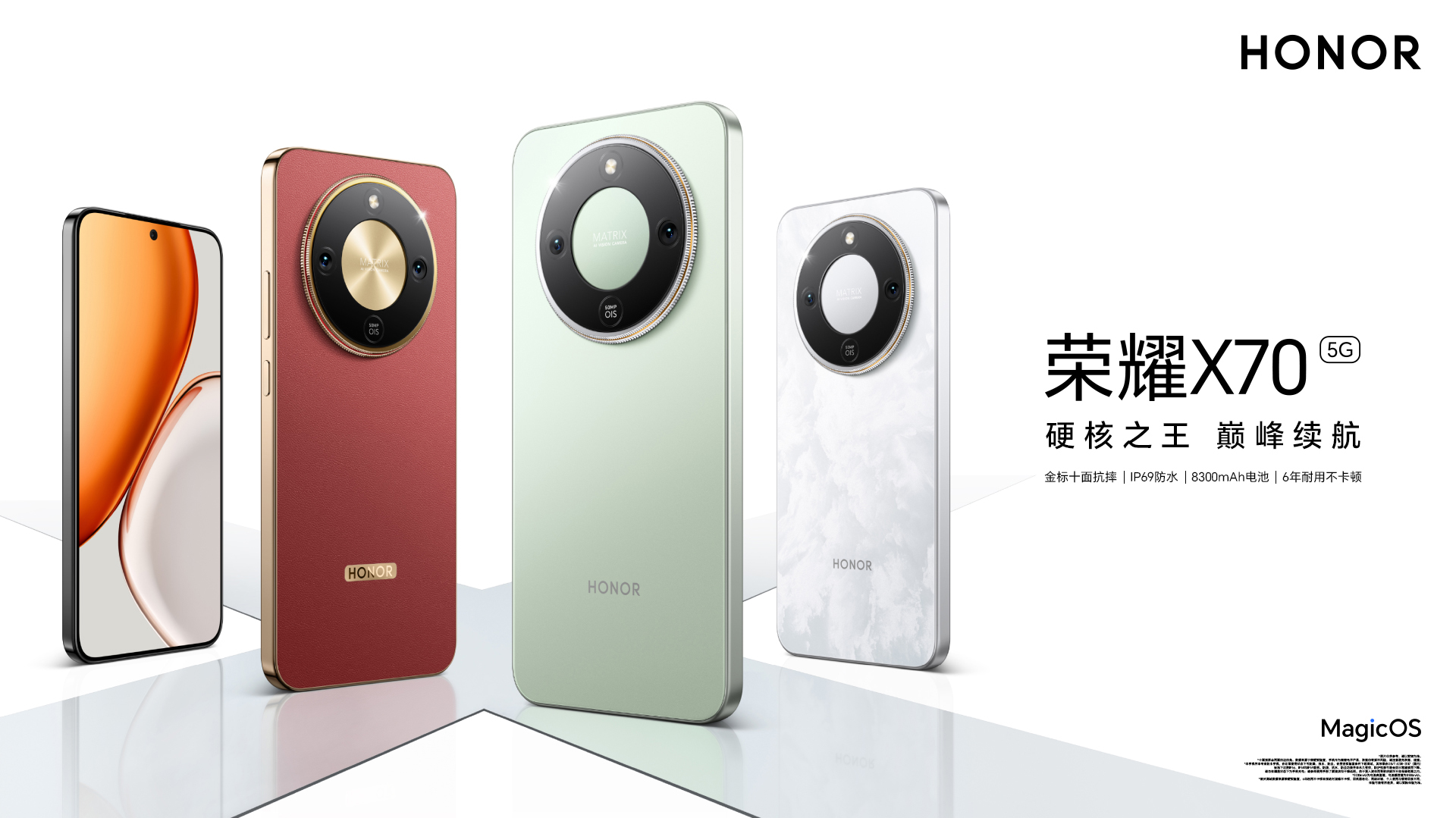
On 11 September, Mr. Zhang had face-to-face communication with the honorary parties. Subsequent public clarifications indicated that his father had regularly allocated a distress call using Glory X70, and Mr. Zhang admitted that he had previously mispercepted the mobile phone problem because of family sudden changes, emotional excitement and the impact of the brand. The glory side has said no more.
This means that the narrative “honour advertising” initially widely disseminated in social media, which resulted in 120 people being denied access and consequently killed, cannot continue to be used as a fact. The direct causal link between the death result and the cell phone has been denied by the person concerned.
But if the news were to stop with the word “reverse”, the real problem would likewise be missed. The controversy was able to generate such a large resonance in a short time because of the long-standing complaints of a large number of users themselves about the opening advertisements, lock-up recommendations, rock-and-rolling and hidden access points in the national-produced mobile phone and applications. An unproven extreme case is quickly believed to indicate that there is a high level of mistrust among users about the commercialization of the system.
The Magical Painter is not an app. It's a lock-in.
The official "magic painting" is defined as a lock-in product, which provides a classification of travel, life, fashion, information, entertainment, etc., and enters the details page by sliding to and from the right and the right. The official Forum of Glory also provides a path to closure: system setup
- desktop and personalization
- magic painting
- closes the lock screen to show the contents of the painting.
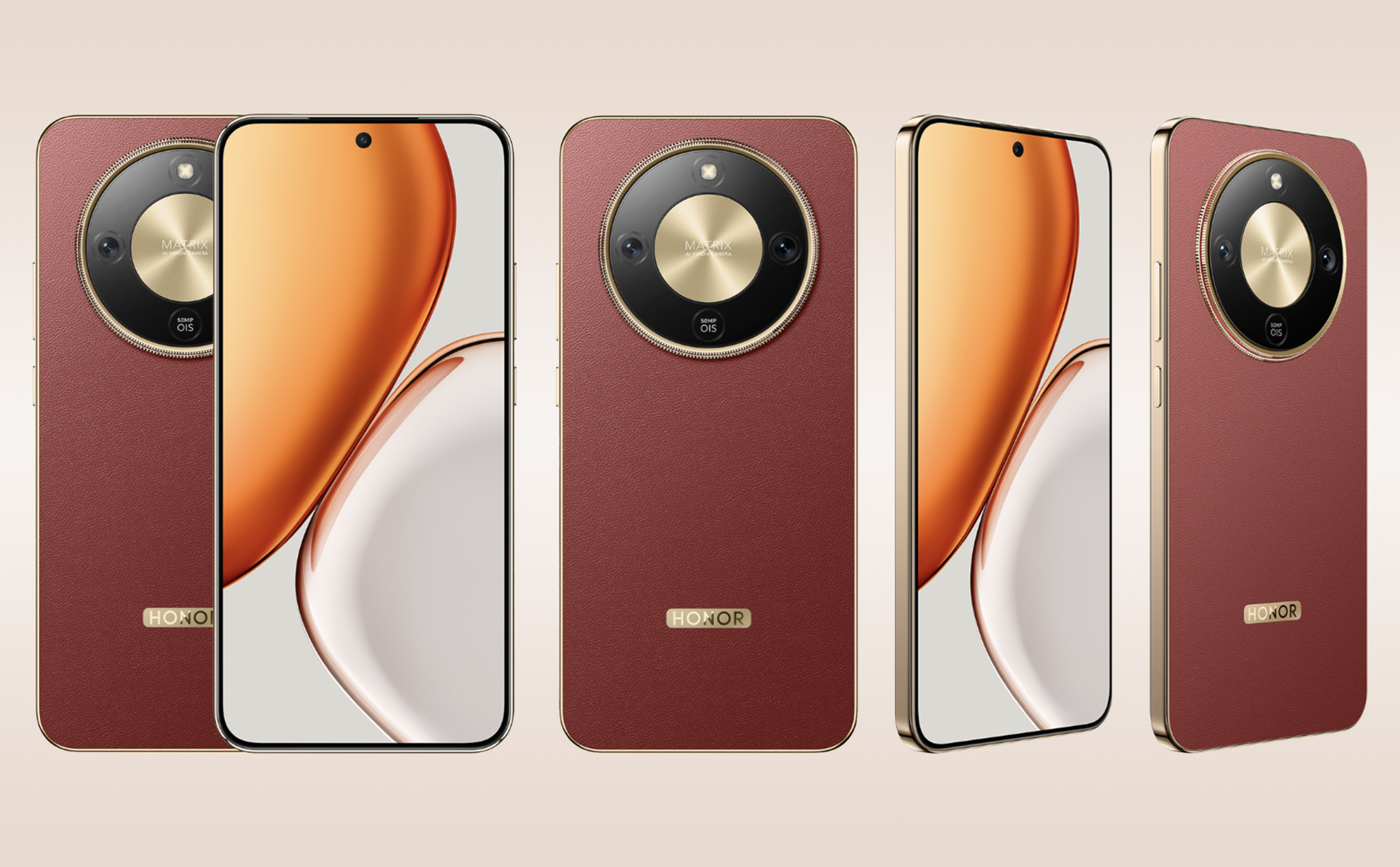
The problem is that the lock screen is not a general content scene, but the most basic and sensitive entry point for mobile phones. The most important design principles for users entering dial-up, emergency contact, camera and system desktop from the lock screen should have been clear path, reversible by error, emergency function priority. Once at this level, any content referral and business information must be subject to a higher requirement of availability than normal App.
The official Forum of Honour has in the past seen users who have shown that the updating of the Magic poster has made it difficult to unload, the system is automatically open and the path is closed in a non-physical manner. Following the outbreak of the dispute in September 2026, the users directly recommended that the permanent “exit” button be increased and that emergency entrances be set up at 110 and 120 at the poster interface. The feedback indicates that the dispute was not based solely on Mr. Zhang ' s personal misunderstanding, but rather on the real use friction that had been present over the long period of time when the product interacted.
原始来源 · club.honor.com荣耀用户建议修改魔法画报操作方法争议后荣耀论坛用户提出常驻退出按钮与紧急拨号入口建议。club.honor.com ↗The elderly are not faced with “no cell phones”, but with the design to push complexity to the user
The most easily used explanation for many manufacturers in the face of similar disputes is “user error” “user inexperience”. This ignores the fact that smart phones have become a social infrastructure, and that older persons, persons with disabilities and low-digital users must rely on them for payment, medical care, transportation, communication and help.
If a function requires a user to understand the logic of gestures, identify the boundaries of advertising and content, find a hidden closure of the entrance and then permanently close it from the multi-level setup, it is not that the user is not learning well, but that the product is transferring the complexity of the business to the most vulnerable.
Especially when it comes to locking up screens, the design responsibility is even more. (b) Call emergency calls such as 120, 110, 119 should not compete with content recommendations; System access should also not create additional cognitive burdens through advertising, information or dynamic reporting.
Commercialization of national mobile phones has moved from the App ad to the system level
The most frequent complaints from users were the application of open-screen advertising, which is now coming closer to the system floor: lock screens, negative screens, browsers, app stores, system announcements, and theme centres can all be traffic points. The manufacturer receives a one-time income from hardware sales and is continuously cashed through systematic advertising, content distribution and commercial recommendations.
This model is not per se illegal, but borders are becoming increasingly blurred. When users purchase mobile hardware, but continue to accept commercial content at system-level entrances, there is a conflict between ownership of equipment and control by the manufacturer.
More importantly, the system-level commercialization is different from the normal App. Users can unload third-party Apps, but it is difficult to unload the system components completely; Normal Apps have problems with the exit, and lock screens and system access are the only routes through which the equipment operates. Once the manufacturer designs commercial functions in these locations, it should assume stricter `default security' and `minimum interference' responsibilities.
What really needs to be established is the emergency functional priority principle
The controversy has proved that the most sensitive opinion is not the advertising itself, but rather whether it is likely to conflict with the life-safe scenario. For the manufacturer, the real effective correction is not a sentence " Users can close in the settings" but re-defined priority from the system level:
- Under the lock-up, the emergency dial-up entrance must be always visible and not be covered by any content;
- Advertising, drawings and recommendations must be clearly, regularly and with one step to complete;
- Old age and accessibility models should implicitly reduce business content, rather than requiring users to proactively seek a path to closure;
- Commercial components at the system level must allow for a real closure, not just the push-off, the retention of the entrance;
- Emergency functions should not depend on the user ' s familiarity with complex gestures.
This is not a “small optimization” of product experience, but a basic safety responsibility for smart equipment when it becomes a public infrastructure.
A “reverse” cannot wash the industry out
Mr. Zhang's clarification had removed the glory from the serious allegation that “advertisements directly led to death”, which should be fully documented. Clarifying does not, however, mean that the issue of the commercialization of the lock screen does not exist.
Instead, the events demonstrated a long-standing governance inertia in China's smart phone industry: manufacturers kept pushing commercial entry deep into the system, and it was only when an extreme controversy broke out that the public focused on “why the chain screens need to carry advertising and recommendations”.
A truly mature product should not require users to understand commercial design first at a critical time. Cell phones are first a means of communication and secondly a traffic portal. When the manufacturer reverses this order, the risk has arisen, whether or not it eventually causes specific harm.
Article discussion
Verified members can discuss this report publicly and manage their own content.
Checking member sign-in status…