

China and Russia vetoed a resolution on the extension of an independent monitoring mechanism for Iran’s sanctions in the United Nations Security Council on 17 September, resulting in the expert mechanism responsible for verifying the implementation of sanctions, recording breaches and submitting reports to the Security Council losing its authority to continue operating. The vote resulted in 11 votes in favor, 2 against, 2 abstentions; China and Russia exercised their right to veto and Pakistan and Somalia abstained.
原始来源 · reuters.comReuters:中俄否决延长伊朗制裁独立监督机制路透社9月17日报道安理会表决结果及各方立场。reuters.com ↗The vote took place against the backdrop of a re-militarization of Iran’s nuclear issue and the re-entry of sanctions. France, Britain and Germany last year cited the 2015 nuclear agreement’s “rapid resumption of sanctions” mechanism, prompting the United Nations to re-impose sanctions on Iran; Iran denied its pursuit of nuclear weapons. The U.S. and Israel had a military conflict with Iran earlier this year, making nuclear facilities, missile capabilities and sanctions circumvention networks one of the most sensitive issues of the Security Council.
Rejecting not just sanctions, but independent verification mechanisms
The task of the expert group is not to directly determine whether sanctions are justified, but to track the implementation, record alleged violations of transactions and arms flows, and provide the Security Council with a relatively independent basis of facts. In the past year, the expert group has actually been suspended due to the failure to reach consensus on the appointment of members; this Chinese-Russian veto for the extension of the mandate means that the Security Council has lost the institutional foundation to restore this channel of supervision.
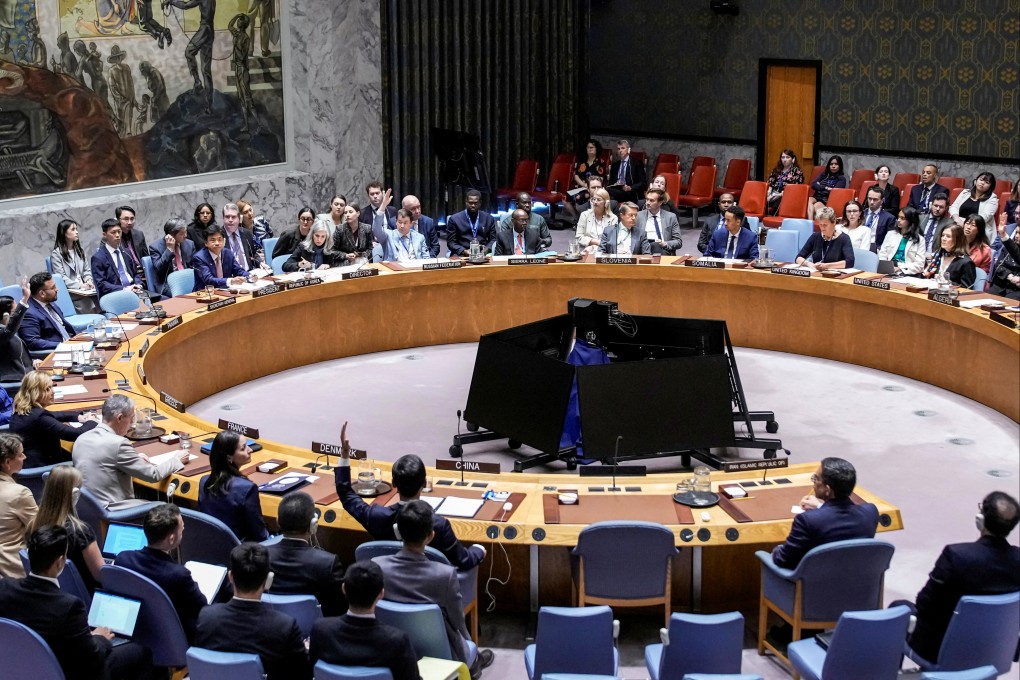
U.S. Deputy Permanent Representative to the United Nations, Jennifer Locetta, said after the vote that without an independent panel of experts, the Security Council would lose its primary source of "fair, evidence-based reporting" on sanctions violations, while Russia blamed the West for politizing the Security Council and arguing that Iran's nuclear dispute should be resolved through political and diplomatic means.
The core of the dispute is not just whether to impose sanctions on Iran, but who will record whether the sanctions have been violated, and who can provide the Security Council with unchecked evidence.
Beijing's position on Iran is closer to strategic cooperation than neutral mediation
Just a day before the Security Council vote, Iranian Foreign Minister Abbas Al-Araqi met with Chinese Foreign Minister Wang Yi in Beijing. China has longined energy, diplomatic and security cooperation, and China is also one of Iran’s most important oil buyers.
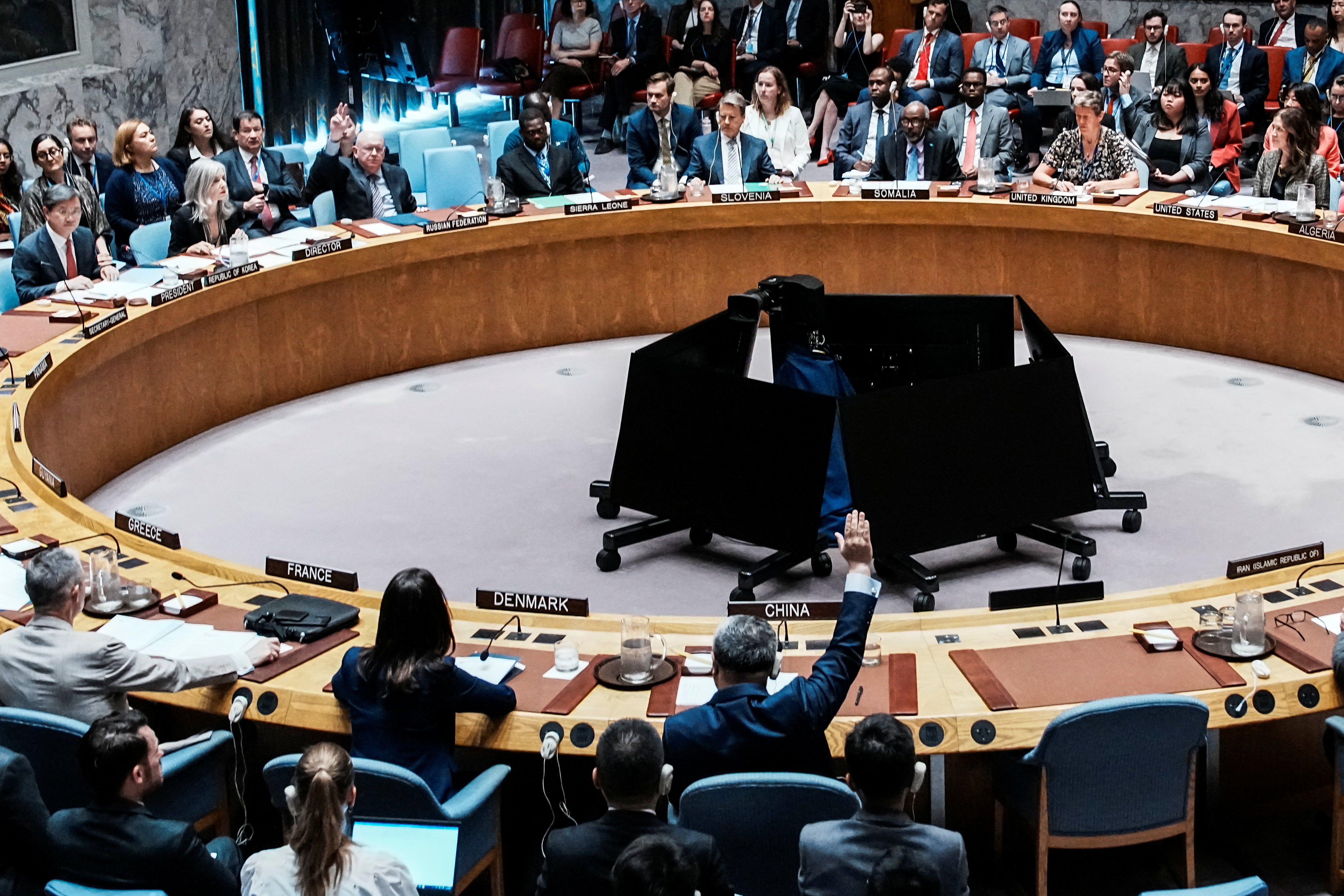
This position itself is not equivalent to supporting Iran’s development of nuclear weapons, but when China ends its independent supervision authorization by veto, its policy consequences are to reduce the ability of external agencies to verify the enforcement of Iran’s sanctions.
Monitoring gaps will make sanctions enforcement more dependent on national intelligence systems
Once the panel ceases to operate, sanctions breach information may still come from the United States, European countries, Israel and private satellite, shipping and financial data, but these materials will be more difficult to sort out and cross-verify through an independent mechanism authorized by the Security Council.
The U.S. has criticized that a Chinese-Russian veto would benefit Iran and the networks that helped it circumvent sanctions, while China-Russia has insisted that existing sanctions themselves lack legal and political legitimacy.
原始来源 · apnews.comAP:中俄否决美国支持的伊朗制裁监督决议美联社报道安理会11比2表决及伊朗制裁监督机制争议。apnews.com ↗For China’s foreign affairs, the veto once again shows that Beijing is using its permanent council’s veto to prevent the further expansion of sanctions and supervision mechanisms it believes are dominated by the West.
As Iran’s war, energy markets and the US-China summit approach, the Iran issue has also become part of Beijing’s trade and confrontation with Washington. China needs to stabilize its energy sources in the Middle East and opposes U.S. sanctions to expand the risk of secondary sanctions on Chinese enterprises, financial institutions and shipping networks.
Article discussion
Verified members can discuss this report publicly and manage their own content.
Checking member sign-in status…