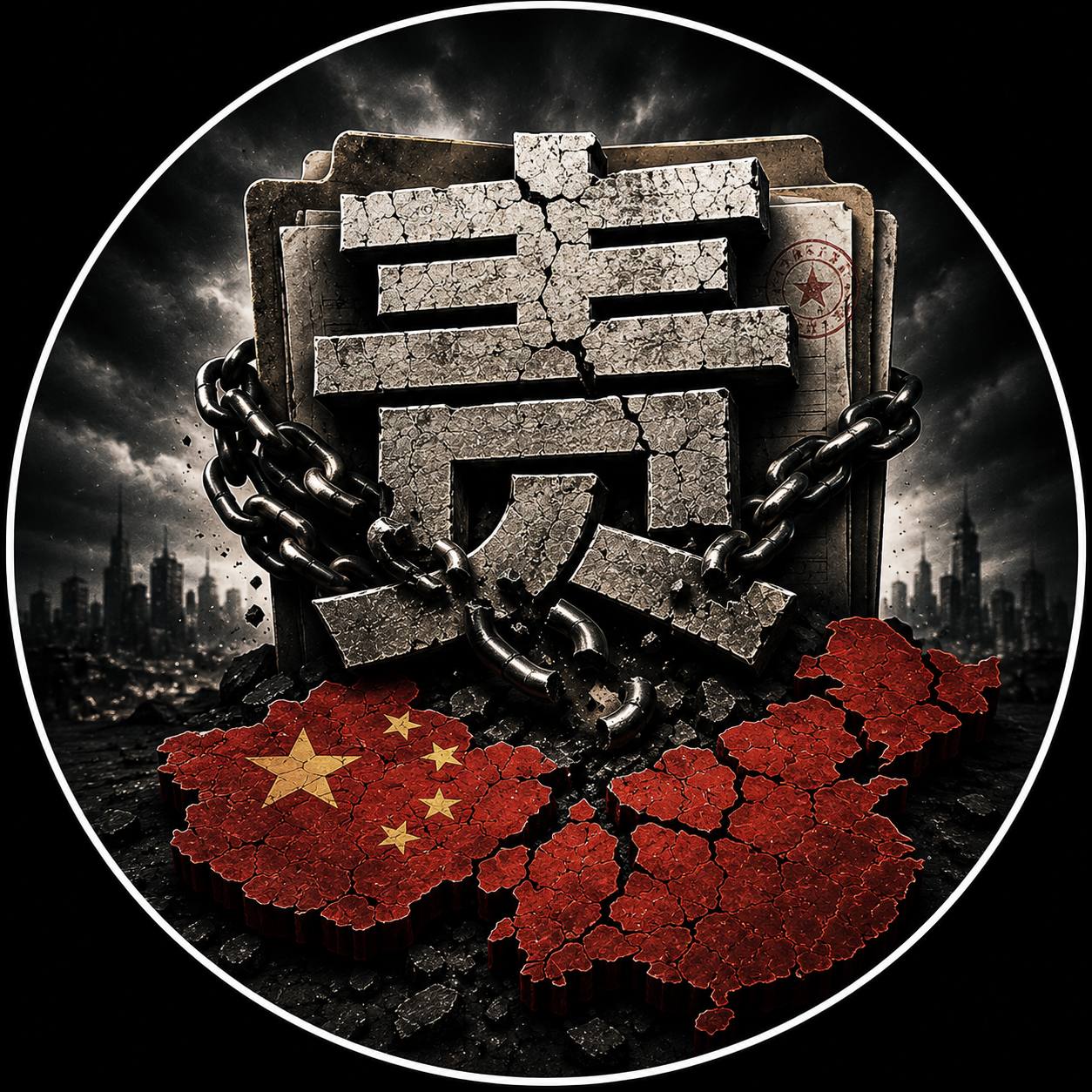

At the beginning of September 2026, China repeatedly that Falun Gong practitioners had been sentenced, imprisoned or died in prison. On September 4th to 9th, Human Rights Network continued to announce individual cases: The 63 year old Hunan Nagasha County was sentenced to 3 years and 2 months; Lianying Ben Tihang Fang Wei was sentenced to 4 years; Xu Qingjiang, 62, was sentenced to 1 year and 3 months; Zhou Wulan, 75 years old, was sentenced to 2 years and 3 months; Tian Tui, 84 years old, was sentenced to 1 year and 6 months. In another more serious case, Human Rights Network said the 74 year old Cao Ping was sentenced to 8 years and was sentenced to death during the Shaanxi women’s prison.
These cases occurred in different provinces and were handled by different public security agencies, prosecutors, courts and prisons, but they showed a highly similar systemic pathway: because Falun Gong beliefs or related activities were captured by public security, cases went into criminal proceedings, courts sentenced to time imprisonment, and then transferred to detention or prison execution. When older people aged 63, 75 and even 84 are still sent into this criminal machine, it is necessary to ask not just a judge or a police officer, but how the CCP has institutionalized political repression against specific faith groups into a cross-provincial chain of judicial responsibility.
原始来源 · wqw2010.blogspot.com维权网近期中国人权案件记录维权网9月上旬连续发布多起法轮功学员判刑、收监及狱中死亡个案。wqw2010.blogspot.com ↗One week of multi-provincial sentence: age is not the limit to stop persecution
On the 9th of September, Hunan Jiangsha County 63 year old Falun Gong practitioner Yongjiang was sentenced to 3 years and 2 months by the Zhejiang City Court, and is currently detained in the fourth women's detention facility in the city of Yangsha; in the Liaoning Ben Tiahuang Fang Wei case announced on the same day, Fang Wei was sentenced to 4 years; Jiangxi 9 Jiangxian 62-year-old Xu Winter Yuan was sentenced to 1 year and 3 months.
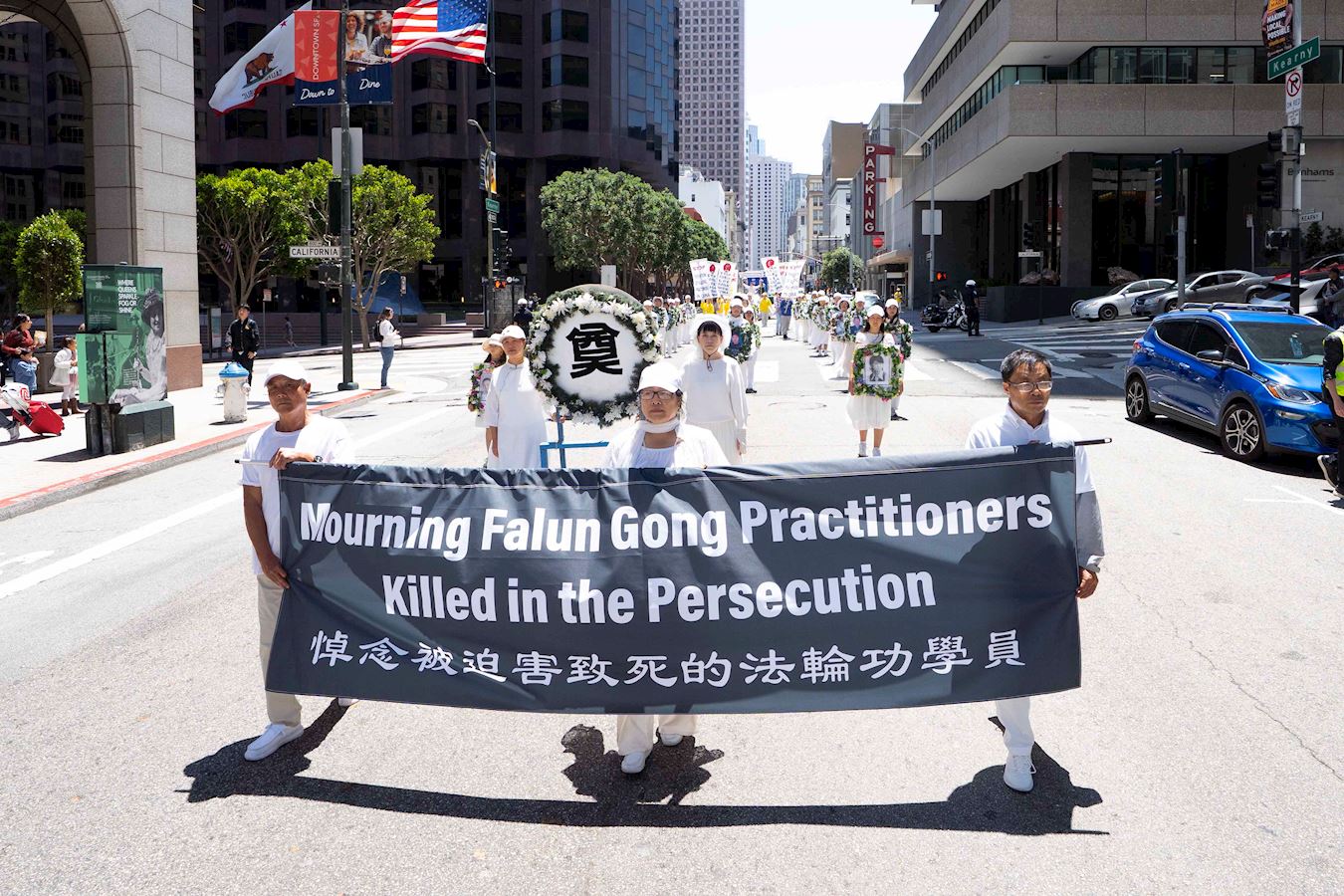
On September 5th, Zhou Warlan, 75, was sentenced to two years and three months in Chongqing, and Zhou Yuan, 84, was sentenced to one year and six months in Shandong. The cases spread across Hunan, Liaoning, Jiangxi, Chongqing and Shandong, and the age has been extended from more than sixty years to more than eighty years.
This age group is worth noting:
- Yuan, 63 years old: sentenced to 3 years and 2 months;
- Xu Yuan, 62 years old: sentenced to 1 year and 3 months;
- Xu Wang, 75 years old: sentenced to 2 years and 3 months;
- 田树林, 84 years old: sentenced to 1 year and 6 months;
- Cao Ping, 74 years old: previously sentenced to 8 years, the Defense Network said that he died later in the Shaanxi women's prison.
When the age itself cannot prevent the continuation of political punishment, the so-called "dealing according to law" cannot only look at the crimes in the judgment, but must look at who has formulated the target, who has completed the arrest, who approves the prosecution, who makes the verdict, and who in prison bears the responsibility for life security.
From public security to the court: persecution is not a capture, but a chain of institutions
The common point of these cases is that repression does not end after the public security agency has arrested a person. Criminal punishment requires continuous action by several state agencies: public security agencies investigate and transfer cases, prosecutors decide whether to prosecute, the court completes the sentence, detention and final punishment is carried out in detention and prison.
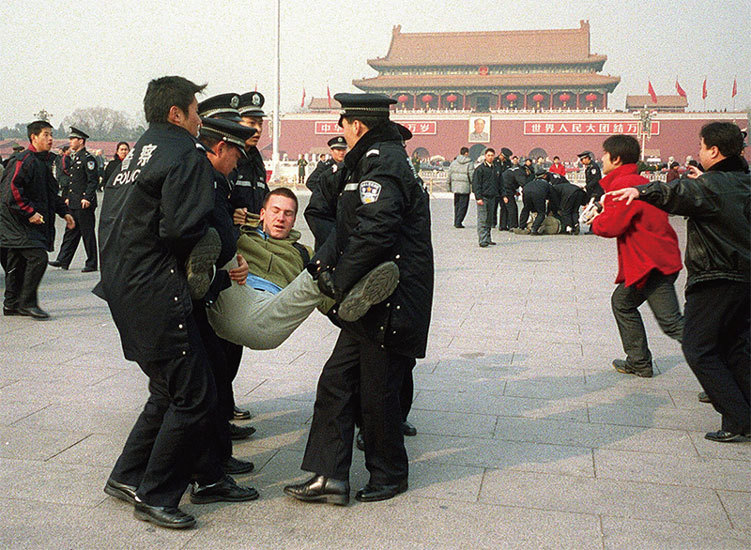
Therefore, reducing all responsibility to “grass-roots police excess law enforcement” cannot explain this cross-provincial, long-term, repeated case structure. Without continued political and institutional authorization, the same model of criminal treatment of Falun Gong believers could not beined for many years in several provinces.
This also means that responsibility must go up the chain of institutions and not stop at the executive level:
- Who has continuously included Falun Gong beliefs in public security attacks;
- on what facts and legal standards prosecutors approve prosecution;
- how the courts review whether acts related to beliefs and dissemination of material really cause specific societal harm;
- whether the decisions on elderly, sick persons, detention and execution adequately assess the health risks to life;
- What responsibilities the prison, judicial administrative organs and the medical system each bear when a death occurs in prison.
From Capture to Death: An Anti-Persecution Memorial Leaves Another List
Repeated images of victims of overseas anti-persecution activities document another timeline left by the repression. It is not the same incident as recent multi-provincial convictions, but it points to an unending institutional problem: from initial public arrest, long-term detention, to criminal convictions and prison enforcement, the state machine controls the personal freedom, medical conditions and life security of the detainees.
The death of Cao Ping: After the verdict, the state still bears the responsibility for life security
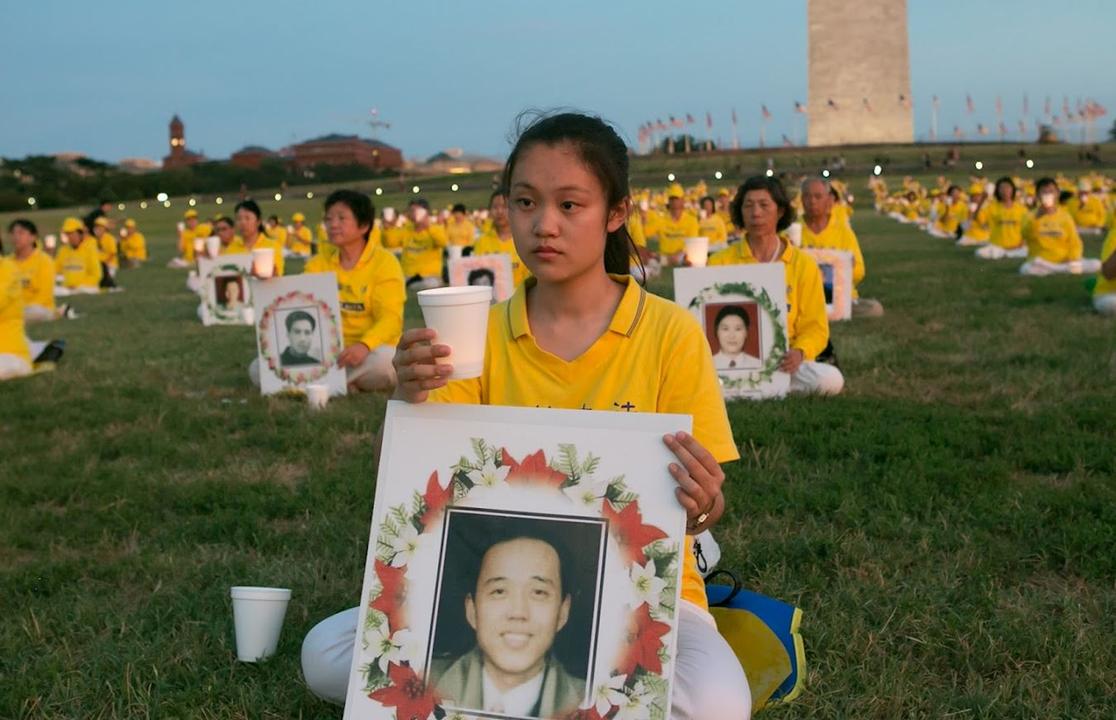
The case of Cao Ping pushed the chain of responsibility to the prison link.The Defense Network released a news on September 6 that the Shaanxi Falun Gong practitioner Cao Ping was sentenced to eight years in prison in 2024, was sent to the Shaanxi women's prison in 2024 and died in prison in April 2026.
The State has a basic obligation to ensure life and medical care for all detainees, regardless of the crime they are convicted of. If a person dies in a prison in which the state has full control of their activities, medical care and living conditions, the prison administration authorities cannot simply consider death as a personal health incident; the cause of death, the course of treatment, the timing of medical treatment and the information obtained by family members are facts that must be questioned.
Therefore, the case of Cao Ping should not only be recorded as “the death of another Falun Gong practitioner”.The real time line needed to be established is when he was arrested, by which court he was sentenced, when he was transferred to prison, how his health changed during his imprisonment, what medical measures were taken in the prison, what happened before his death, and whether his family had full medical records and deaths.
The Communist Party of China has put political pressure into judicial procedures to make the subject of responsibility clearer.
Beijing has long provided legal appearance with criminal law and judicial procedures to suppress Falun Gong, but the “judgment of the court” itself cannot end the human rights review. On the contrary, once public security, prosecutors, courts, and prisons have left official documents and enforcement records, the chain of responsibility is more specific.
This is also the meaning of the "China Criminal Archives" records of these cases: not to describe the persecution as an abstract "CPC repression", but to gradually identify the arrest agencies, host prosecutors, trial courts, prison execution, the specific time, sentence duration and the outcome of detention.
As of September 12th, the recent cases published by the Network show that criminal punishment of Falun Gong practitioners has not stopped due to age, health or long-term concerns of the international community. From 60-year-old believers to 80-year-olds, from public arrest to death in prison, the CCP has established not a one-off movement, but a set of institutional persecution machines that are still in operation.
Article discussion
Verified members can discuss this report publicly and manage their own content.
Checking member sign-in status…