

China's price data in August appear “higher” but when the numbers are removed, the real heat is first and foremost cost, not consumption. a href=https://www.reuters.com/world/asia-pacific/chinas-producer-inflation-regains-momentum-august-2026-09-09/"target" = _blank" rel = `noopener noreferrer' data-linked-reference = `tru' data-reference-label = , according to Reuters, CPI is 0.8 per cent and PPI 3.8 per cent; Energy and international commodity prices are important drivers.
Data card | 4 numbers read first
- CPI + 0.8%: Consumer prices of residents increase on a year-on-year basis;
- CPI ring + 0.4%: Short-term prices continue to rise;
- PPI + 3.8%: Production end price increases are significantly higher than consumption end;
- Core CPI + 1.0%: After the partial volatility factor is eliminated, demand temperature remains limited.
Dismantling a tack why the plant is hotter than the consumer
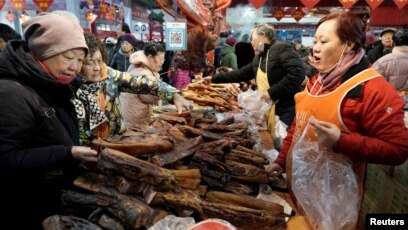
The situation in the Middle East presents a risk of high energy supply to push up crude oil and associated commodity prices. The non-ferrous metal smelters, oil coal and fuel processing, and hydrocarbon extraction were the first to experience cost escalation, and PPI was therefore more sensitive than the CPI.
The price increase for dismantling the pictery is not equal to the consumption boom
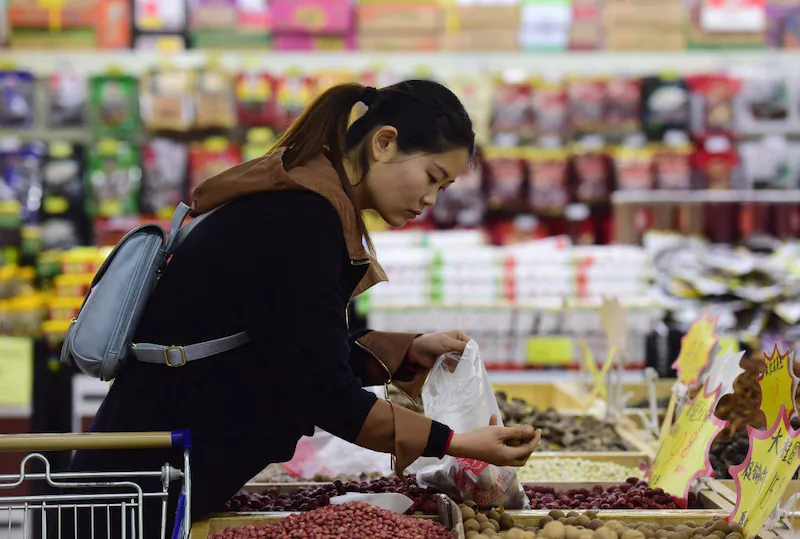
The price of fresh vegetables rose by about 5.5 per cent, and weather and seasonal factors can rapidly affect food prices. However, real estate adjustment, confidence and consumer willingness still limit domestic demand, and the price of some durable goods also shows that the marginal role of subsidy incentives is diminishing.
The economic needs are judged not only by “prices rising and not rising”, but also by “who pushed the prices up”.
The transfer of the cost of the enterprise's books is the next examination
If energy and raw materials continue to rise while end consumption remains moderate, manufacturers face two options: higher prices and risk losing orders; Or you can absorb costs and sacrifice profit margins.
Policy Watch Beijing needs more than an end to deflation
Beijing has recently continued to support demand through consumption, micro-enterprise credit and real estate policies. The real decision on policy effectiveness is not whether the total CPI is stronger in the short term, but whether retailing, employment, private credit and core inflation can produce sustained improvements.
One sentence concludes
The August data show that China is temporarily far from the “total price decline”, but it is not yet sufficient to prove that residents and businesses have regained their willingness to spend large amounts of money.
Article discussion
Verified members can discuss this report publicly and manage their own content.
Checking member sign-in status…