
Xi Jinping is about to visit India and attend BRICS-related events, the first time he has visited India in seven years.Reuters on September 10, that China-India relations gradually unfreeze diplomatic after the border conflict in 2020, but the concerns at the enterprise level remain stubborn: visa approval, investment review, equipment export restrictions, tax investigations and security concerns continue to constitute the high wall of economic exchanges between the two countries.
原始来源 · reuters.com路透:习近平访印推动外交解冻,商业关系仍被不信任束缚reuters.com ↗The illusion most easily created by visitors is that meeting leaders equates to normalizing relationships. The real difficulty between China and India has never been to fix the atmosphere at the Shimbun level, but the “national security priorities” logic that emerges after 2020. Once enterprises, technology and capital are integrated into strategic competition, the pace of recovery of mutual trust will inevitably be far slower than the return of flights and diplomatic dialogue.
The border conflict leaves behind not a line, but a system of firewalls.
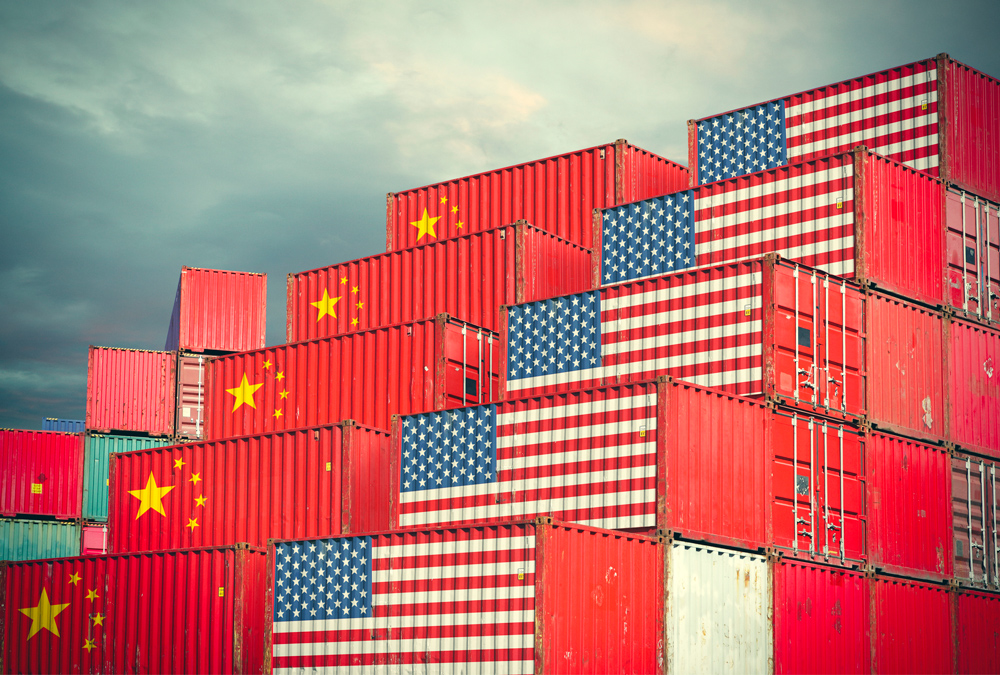
India has tightened Chinese investment after the Calvary Valley conflict, blocked several Chinese applications, and strengthened tax, data and security censorship on Chinese tech and manufacturing enterprises.In recent years, some restrictions have eased, such as re-approval of individual joint venture projects, but large Chinese enterprises such as Biady, Long Wall Automobile have remained cautious about expanding investment.
China is also not unilaterally waiting for India to open up. Reuters reports that Beijing is equally cautious about the flow of some port equipment, manufacturing tools and key technologies to India. This means both countries are doing the same thing: verbally emphasizing trade potential while systematically viewing each other as a possible supply chain risk.
The reality of China-India relations is not “cooperation or confrontation” but the need to simultaneously exist on the border prevention, competition in the market, diplomatic rotation, and supply chain.
原始来源 · indianexpress.com印度制造与China+1供应链背景indianexpress.com ↗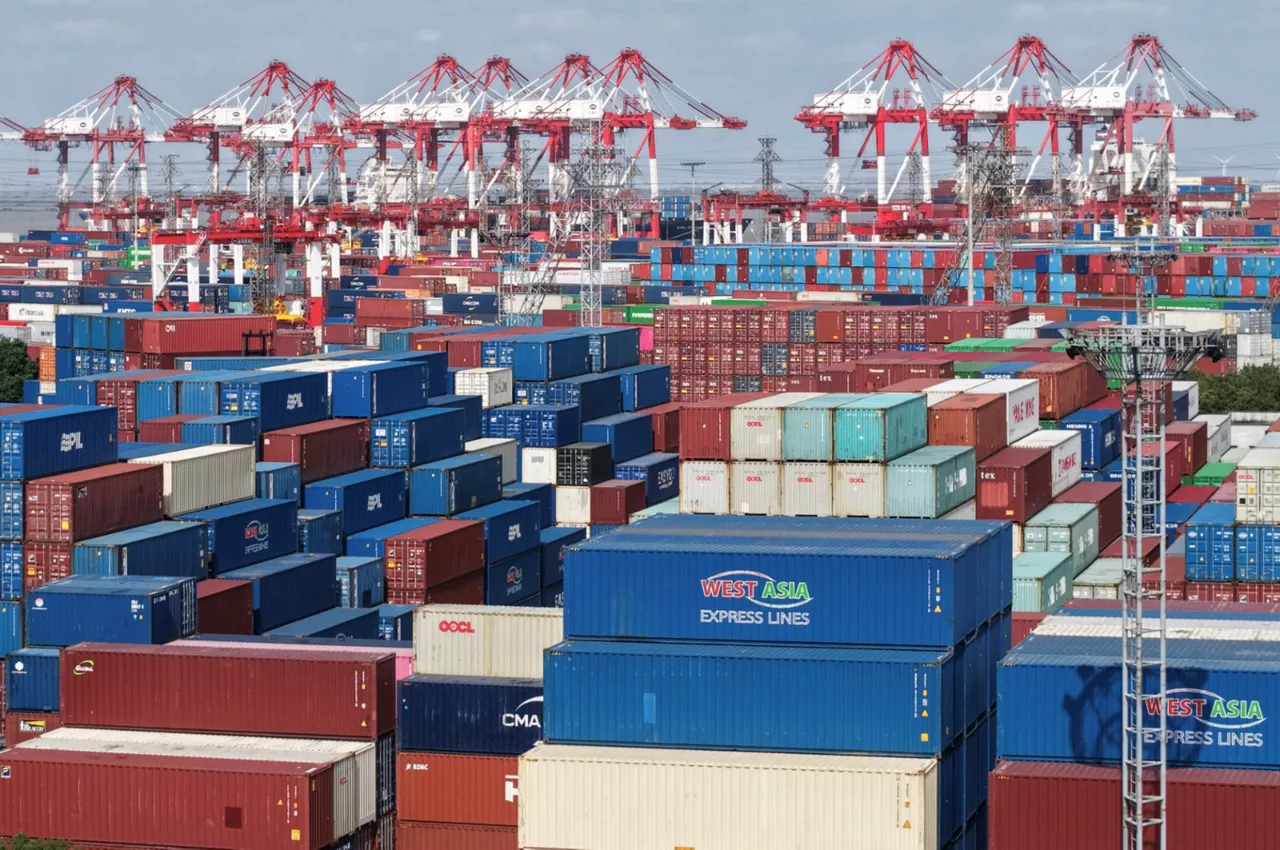
India needs China’s manufacturing capabilities but is not willing to replicate its dependence on China
India hopes to take over the global “China+1” supply chain transfer, but the reality is that many electronics, automotive and machinery manufacturing projects still rely on Chinese equipment, parts and engineers. To develop domestic manufacturing, more Chinese technology imports are needed in the short term; and if dependence is too deep, New Delhi is concerned about industrial security and geopolitical vulnerability.
After China’s weak domestic consumption and the rise of U.S. trade barriers, India’s population and infrastructure demand have become very attractive, but India will no longer see all Chinese capital as pure business opportunities as it did a decade ago, but will first ask: where are the data, who controls, whether critical equipment is dependent, and whether it can be cut off in a crisis.
What a summit can solve and nothing can solve
If Xi and Modi can promote visa facilitation, restore more direct flights, speed up customs approval and approval of some joint venture projects, it will be substantially beneficial for enterprises.
What really is worth observing is:
- Will India continue to relax Chinese manufacturing investments but exclude data and critical infrastructure;
- Will China restore normal exports of critical equipment and technology to India;
- Can the border situation remain stable and avoid a further trigger of comprehensive economic countermeasures;
- Can the BRICS cooperation only be transformed into a diplomatic arena or a concrete economic and trade arrangement?
China wants to expand the so-called "strategic autonomy" and is not willing to completely turn to any camp. India needs U.S., Japan and Europe's technology and security cooperation, while not willing to give up trade with China; China wants to stabilize India, avoid the formation of a closer encirclement with China, but will not give up border and regional influence competition.
Focus on China believes that the real test of Xi’s visit is not whether the two sides can re-speak the language of friendship, but whether the two nationalistic great nations can establish a new relationship “not trusted but negotiable”. Diplomatic freezing can be initiated by the highest leader overnight, and business trust needs institutional, legal and long-term predictability.
Article discussion
Verified members can discuss this report publicly and manage their own content.
Checking member sign-in status…