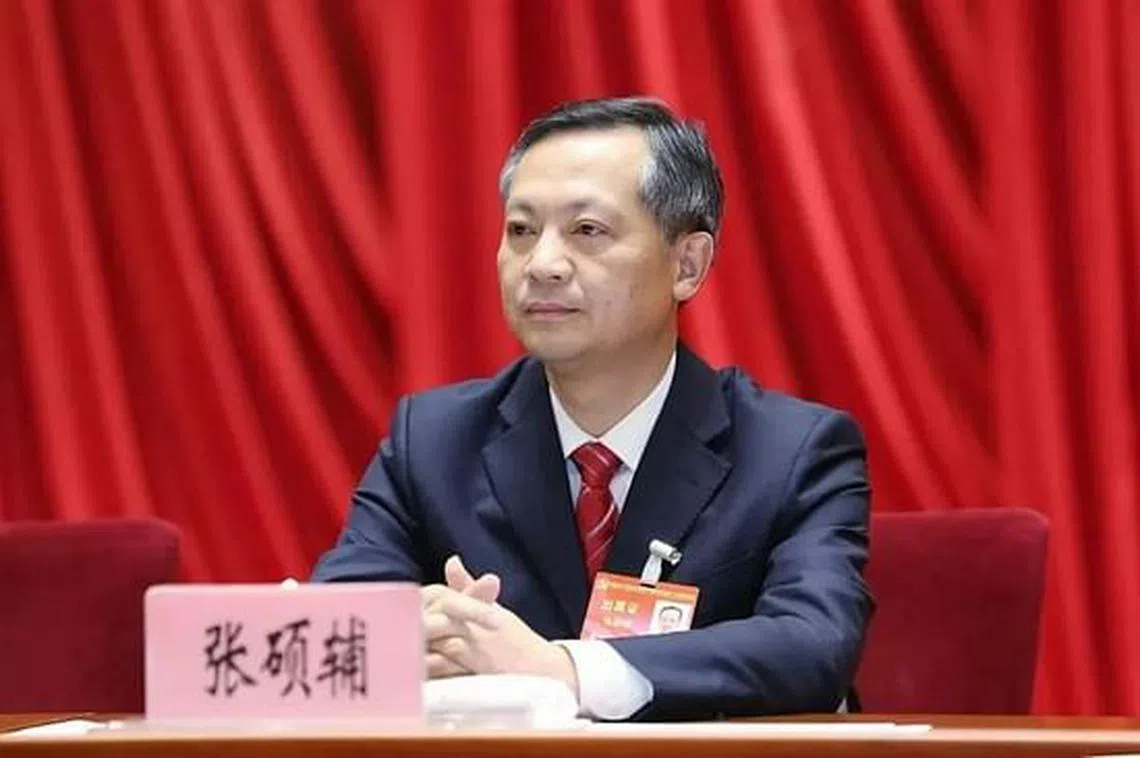
On the afternoon of 8 October, a news bulletin from Xinhua, less than 100 words, ended Zhang Shuyu-Suk's public performance.
“Shang Shuzu, a member of the Standing Committee of the Guangdong People's Congress and Deputy Director, is currently undergoing disciplinary review and inspection by the National Monitoring Committee of the Central Disciplinary Commission, on suspicion of serious disciplinary violations. The blogger adds:
No case, no amount, no timeline.
原始来源 · xinhuanet.com张硕辅接受中央纪委国家监委审查调查xinhuanet.com ↗But Zhang's résumés make this a very unusual loss.
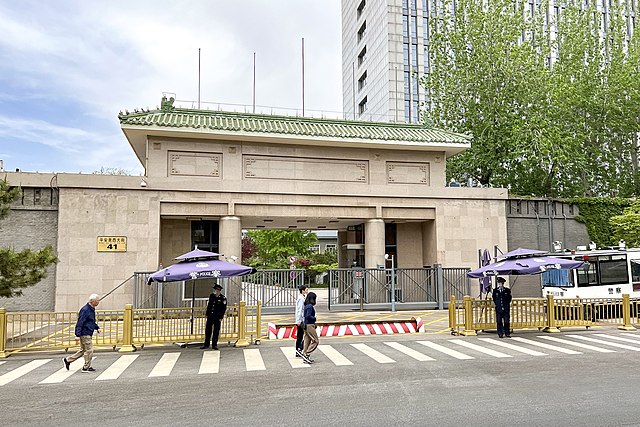
He was the secretary of the disciplinary committee.
Zhang Shuu-Suk has been rotating between disciplinary and local party systems for a long time.
He was a Secretary of the Hunan Province Disciplinary Commission and also served as the Beijing City Disciplinary Commission, and then became the Governor of Guangzhou City in the South, and eventually joined the Standing Committee of the Cantonese People ' s Congress.
This curriculum vitae means that he is not a local official far from the core of power, but a senior cadre who has been involved in party oversight, disciplinary inspections and important urban governance for many years.
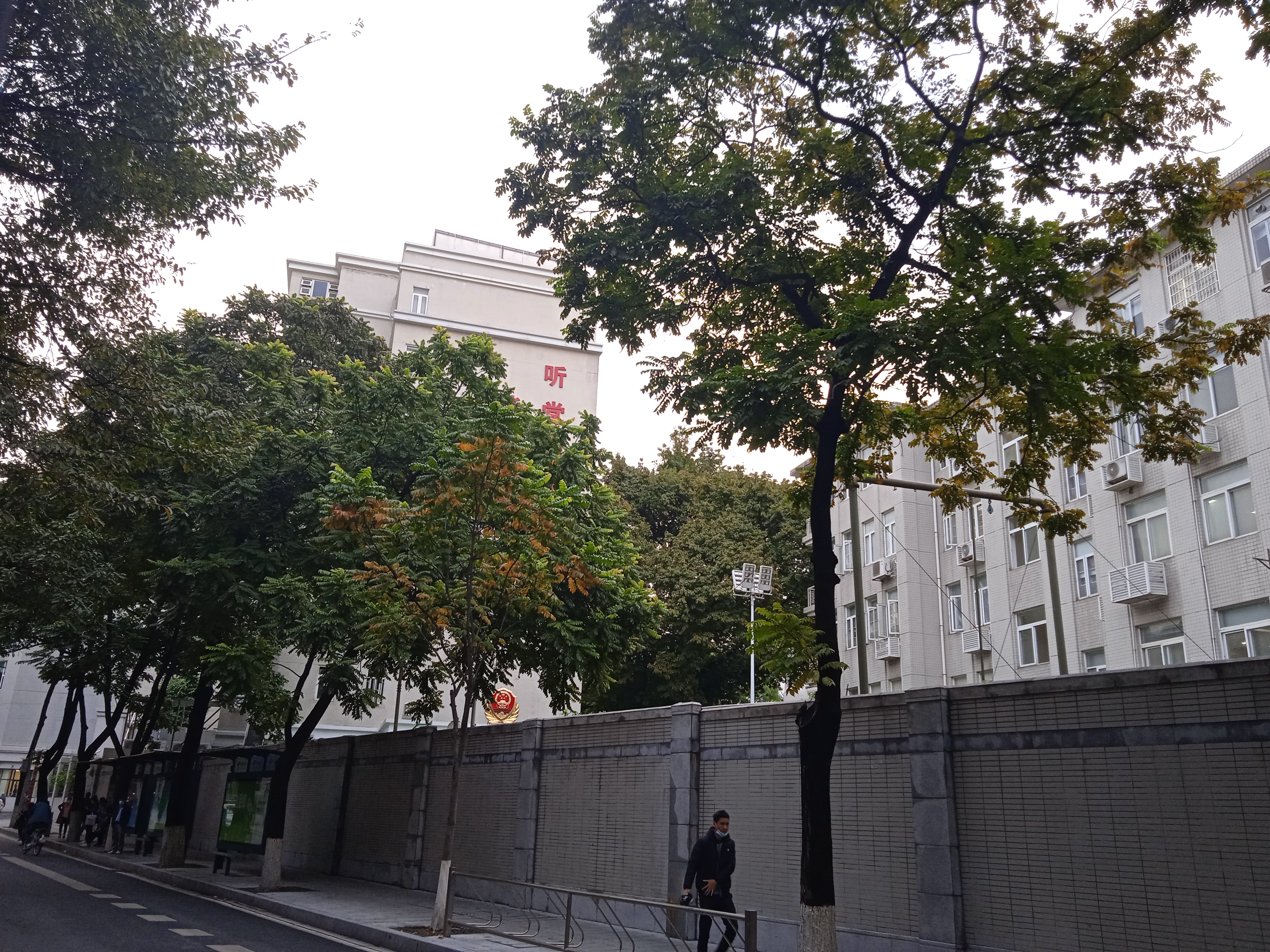
When a person who had control of disciplinary powers was eventually the subject of disciplinary proceedings, the closed nature of the CPC anti-corruption system became a problem once again: the outside world knew “an accident” but did not know why internal oversight had not been found previously.
The information is available to the Central Committee and the public can only wait for the next briefing
The central feature of China ' s anti-corruption system is that investigative powers are first and foremost vested in the disciplinary system within the party, not in independent prosecution, courts or the media.
Zhang Shuzu is now in “review investigation”, meaning that the facts of the case, evidence, property leads and associates are primarily under the control of the Disciplinary Commission's Monitoring Board.
Until a case is referred to justice, independent investigative material is often not available to the public, nor is it known whether the complaint is long-standing, who protected it and which projects involve interests.
This is the duality of Xi ' s anti-corruption model: it does keep catching high-ranking officials and further strengthens the position of the Central Committee as a centre of power within the party.
The more intense the fight against corruption, the more unable to answer “Why always discovers after”
Since Xi took office, the high-ranking officials have become the regular political news.
Each case is interpreted as an outcome of the “comprehensive from the hard-line party”, but it is clear that the problem is not just personal morality if corruption persists until senior cadres are promoted, serve across provinces and are brought into the ranks.
What is really worth asking is why the property of the cadres is not publicly available. Why can't the media investigate independently? Why can't a man's man form an external oversight? Why can justice be taken over only after an internal investigation?
The specific issues of Zhang Zhang await further official disclosure.
But his curriculum vitae has raised the systemic question: When and in what period of power did a Secretary of the Commission, who was responsible for overseeing others, loses his supervision?
Article discussion
Verified members can discuss this report publicly and manage their own content.
Checking member sign-in status…