On 27 August, Human Rights Watch released its latest report, which brought the issue of Xinjiang back to the international human rights agenda. The Agency considers that the severe repression of Uighurs and other Turkic Muslims by the Chinese Government over the past decade constitutes a “crime against humanity”, and that these policies continue in different forms today.
The report does not list historical projects that have been closed. HRW stated that large-scale arbitrary detention, unjust imprisonment, comprehensive surveillance, religious and cultural removal, travel and communication restrictions, and pressure against Uighurs abroad are still observed. Meanwhile, forced labour in Xinjiang continues to be linked to global supply chains such as cars, solar panels, clothing, seafood, agricultural products and key minerals.
The first key node of the timeline is around
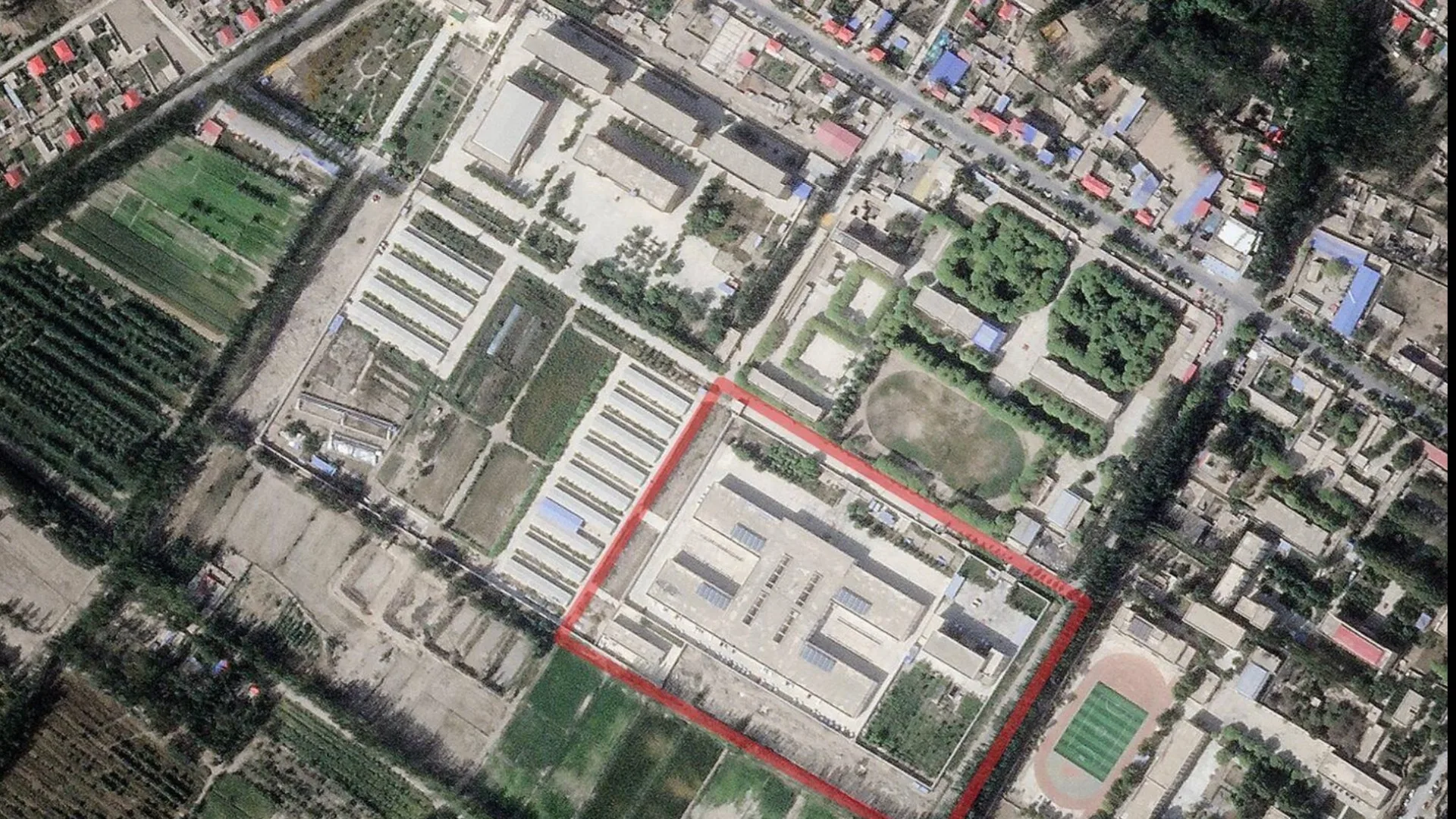
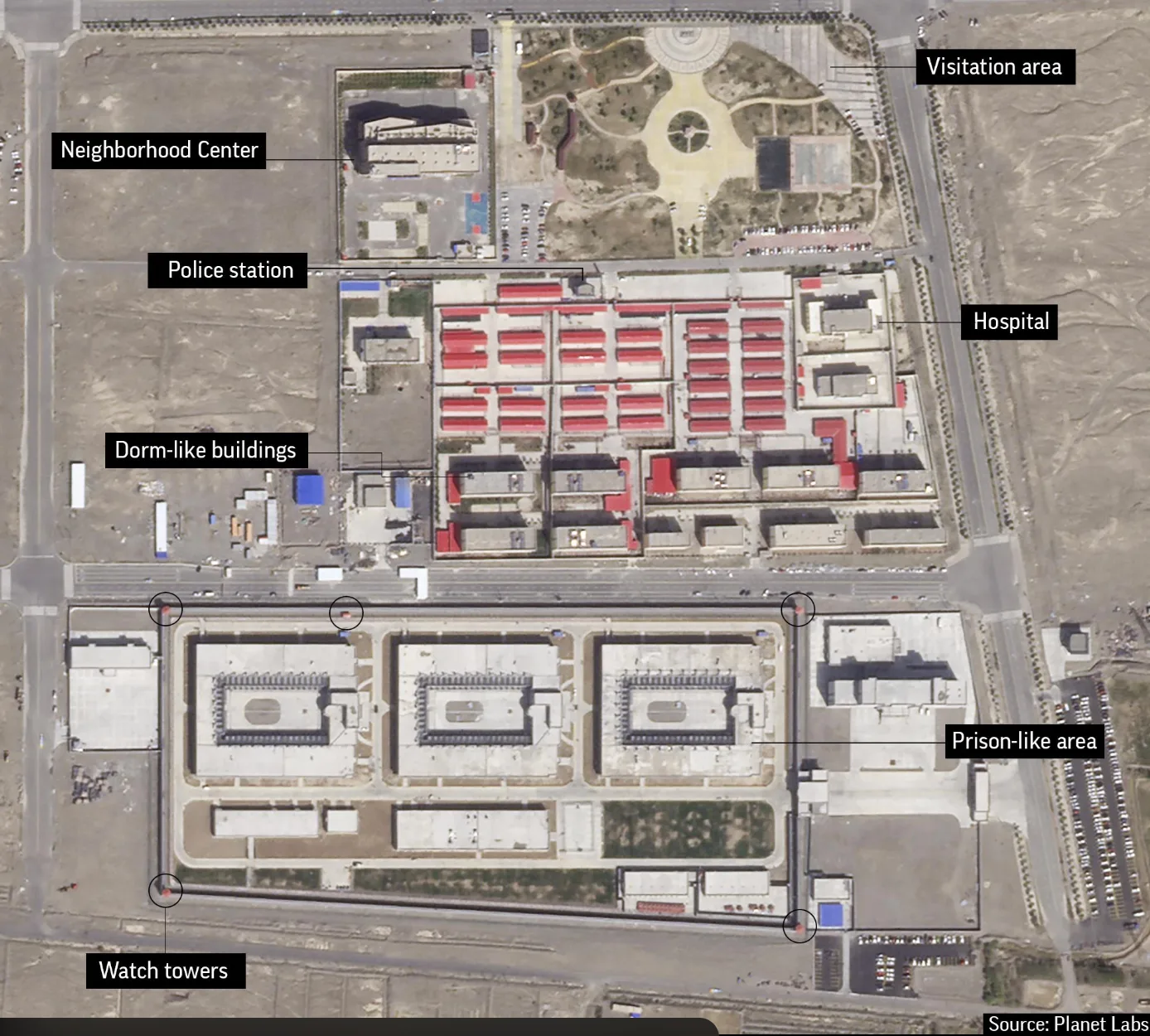
- The CCP rapidly expanded its policy of “de-extremization” of so-called “counter-terrorism” and social stability in Xinjiang, which was followed by the emergence of large-scale detention facilities. The United Nations, human rights organizations, the media and satellite research keep track of the re-education camps, the monitoring system and the separation of families.
The second key node is 31 August
- The Office of the United Nations High Commissioner for Human Rights issued an assessment report on the situation in Xinjiang, which concluded that serious human rights violations on the ground “may constitute international crimes, in particular crimes against humanity”. Beijing rejected the report and called the allegations anti-China politics.
Four years later, HRW considered that what was really missing was not more evidence, but accountability.
(a) Volker Türk, United Nations High Commissioner for Human Rights, in 2024, acknowledged that many problematic laws and policies still existed; By February 2026, he also regretted the lack of implementation of previous recommendations and accountability in China. HRW was particularly critical this time that the United Nations system has not provided a sustained, sufficiently robust public follow-up after the 2022 report.
Meanwhile, Beijing is changing the external image of Xinjiang. Official propaganda has increasingly focused on tourism, economic development, national unity and so-called “normal life”, in an attempt to repackage Xinjiang from the international human rights crisis as a success story for development and stability. HRW noted, however, that the apparent normalization does not mean that the system of surveillance, criminal justice and political control that was in place has been dismantled.
What is more worthy of the international community ' s vigilance is the issue of forced labour. The United States has adopted the Uighur Forced Labour Prevention Act, which imposes import restrictions on Xinjiang-related products; The EU has also established a ban on imports of forced labour products. HRW this time called for Canada, Australia, the United Kingdom, Japan to further develop or strengthen similar measures and for the EU to include Xinjiang as a high-risk area in the forthcoming database on forced labour risks.
This has made the Xinjiang issue no longer a human rights case in China but a responsibility for the global trading system. If forced labour products are processed through multiple suppliers and third parties to international markets, overseas consumers and multinational enterprises may unwittingly continue to provide economic benefits to the SCP repressive system.
Ten years later, the most heavy questions remained unanswered: where were those who had been detained on a large scale? How many people have been sentenced? Which officials have designed and implemented these policies? What compensation has the families received? Beijing has never established an independent investigative mechanism and has not allowed victims to testify publicly without reprisals.
The CPC is today trying to convince the world that “the new frontier has returned to normal”, but what really proves normal is not tourist propaganda, but the closure of the arbitrary detention system, the cessation of forced labour, the restoration of religious and cultural freedom and the admission of independent international investigators.
If, in the end, no one responsible for a decade of repression has entered a truly independent judicial process, so-called “stability” means that the victims are forced to remain silent, not that justice has already taken place.
Article discussion
Verified members can discuss this report publicly and manage their own content.
Checking member sign-in status…