

The Taiwan Defense Ministry intends to invest NZ$ 9,59.3 million in 2027 to establish a “military cyberhunter team” to proactively search for potential attackers, malicious procedures and unusual activities in the military network environment. >, shows that Taiwan's cyber defence approach is moving further from the traditional "wall-building" to active hunting threat.
The significance of this change is not the creation of an additional, well-known team, but the basic logic of cyberwarfare is changing: once the assailant has broken the perimeter, the defensive party must assume that it may have entered the internal network and proactively search for the traces left.
5,993 million dollars for what capacity?
According to public budget information and media reports, the plan will be used to build a military network ' s capacity to threaten hunting, including related equipment, technology and training. The goal is not to wait for anti-virus software or firewalls to alert, but to allow professionals to search for anomalies.
The threat hunting can be understood as a patrol on a digital battlefield:
- To find account numbers and connections that do not conform to normal usage patterns;
- Tracing of malicious procedures that may be in place for a long period of time;
- Analysis of signs of horizontal movement of the attackers and of increased authority;
- The chain of invasion was discovered before the attack caused greater damage.

Why is the military in Taiwan now emphasizing active hunting?
The Taiwan Defense Department has stated publicly on several occasions in the past that the CCP and its collaborators continue to use grey zone methods such as cyber attacks. The official tasks of the Etronautist Army include defence information and the maintenance of cyber security.
Cyberattacks are different from military detours. Military aircraft and ships can normally be directly observed by radar or image, while network intrusions may be hidden for months or even longer. Often, what the attackers really need is not immediate destruction of the system, but advance access to network structures, account numbers and key nodes, creating the conditions for intelligence gathering or sabotage during a crisis.
“Hunting” does not mean that Taiwan will launch a cyber attack against the outside world
This is a line that must be drawn to report on the plan. Active threat of hunting usually means searching for intruders within an authorized network of their own, and the mere name “hunting” cannot be used to assume that the military of Taiwan will attack the mainland Chinese network.
The Chinese Communist Party has repeatedly accused Taiwan ' s Tun-Tun army of carrying out attacks on land networks, which the Taiwan Defense Ministry denied. Political allegations by both sides cannot substitute technical evidence, and therefore the determination of the cause of a specific cyber incident should continue to be based on a sample of malicious processes, infrastructure, judicial documents or credible technology.
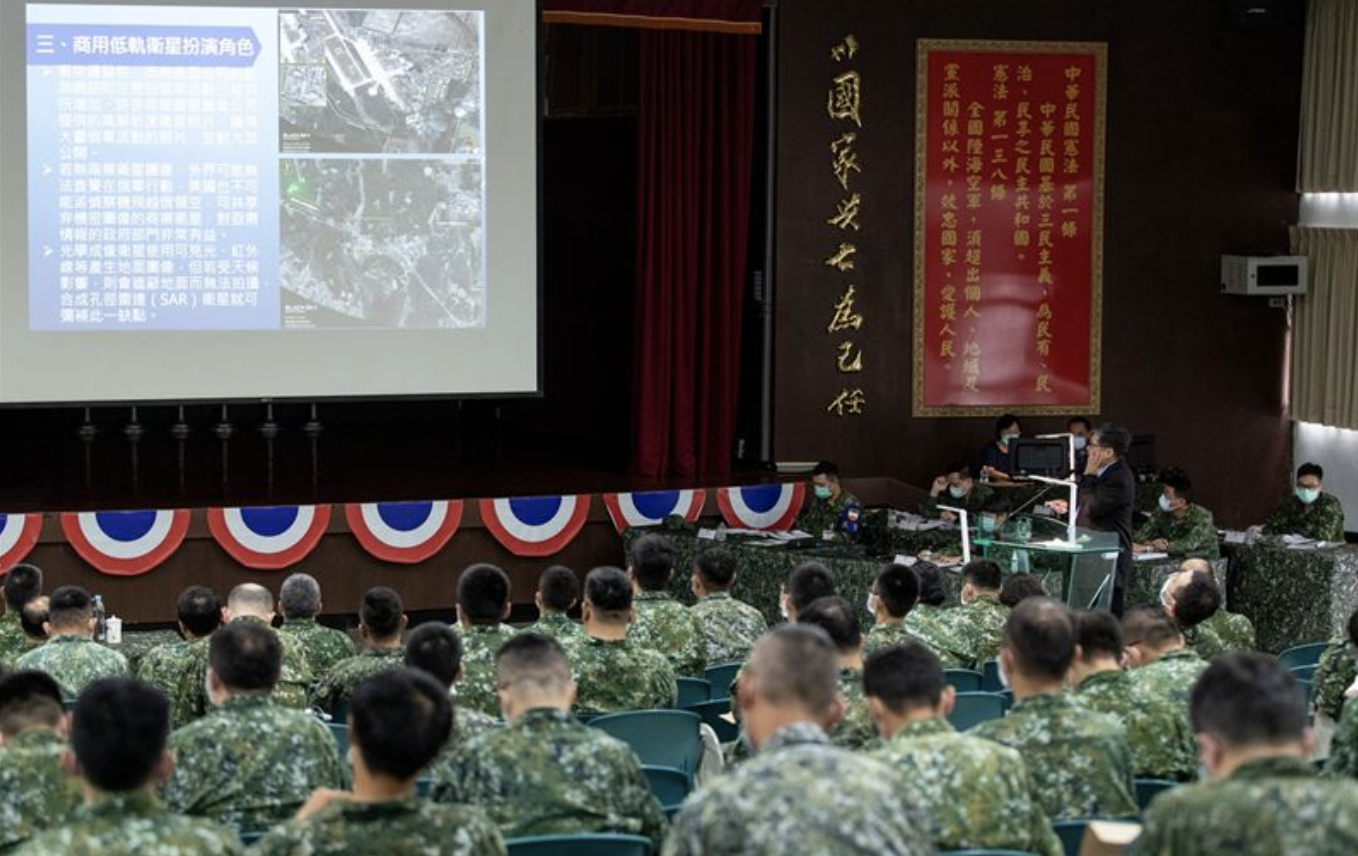
Digital line becomes the fourth space for Taiwan's defense
Traditional Taihai military discussions have focused on land, sea and air forces. With the high digitization of communications, satellites, unmanned systems, logistics databases and command networks, cyberspace has directly affected the physical battlefield.
In the event of a crisis, cyberattacks may aim at:
One. (b) Military command communications;
- Logistics and mobilization systems;
- (a) Government and critical infrastructure;
The Queen of the West is a great country. The social information environment and public trust.
Thus, the value of Taiwan's establishment of a hunting squad cannot be measured only by “the number of hackers caught” but, more importantly, by the time the attackers were not discovered inside the network.
Focus China Watch: CCP cyberthreats must be followed by evidence, not slogans
The inclusion of cyber action in the grey zone competition of the Communist Party has been a long-standing concern of several democratic Governments and security institutions. Taiwan is on the front line of the military and political pressure of the CCP, and there is a realistic case for increasing the active cyber defence capability.
But the attribution of the network is particularly vulnerable to political propaganda. The more the CCP network threat is, the more it is necessary to retain technical evidence, to make publicly verifiable indicators and to distinguish between “discovered” “judgmental sources” of aggression and “confirmation of State command” three different levels of evidence.
The real enhancement of Taiwan ' s defence capabilities by military cyber-hunting teams ultimately depends on talent, tools, cross-sectoral intelligence-sharing and combat training, not on the budget name itself.
Article discussion
Verified members can discuss this report publicly and manage their own content.
Checking member sign-in status…