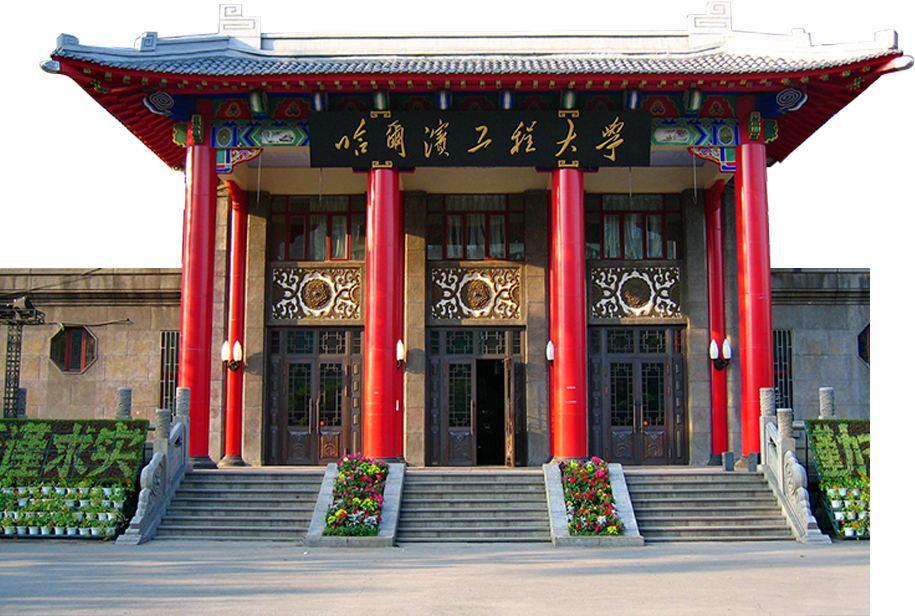
A post on the Internet has brought the consequences of Internet regulation in China to the disciplinary records of 20 young people.
"As far as the "Ah-href" is concerned,https://udn.com/news/story/7332/9780323"Target = _blank" rel = `noopener noreferrer' data-linked-reference= `tru' data-reference-label = `Central Agency's Report 27 September' , 27 September, a report dated 20 September from the Faculty of Mathematics Science at Harbin Engineering University, says that 7 undergraduate students and 13 graduate students used individuals from 18 to 19 September The campus network account, which connects to offshore networks, for example, through the VPN. The acts were recorded in the Cybersecurity Monitoring System and the College subsequently issued a warning to 20 people. The report quoted the report as stating that students were for the first time in violation of the law and that they had not been found to have disseminated harmful information, illegally profited or had other serious harm consequences. The Star Island Daily also reported the incident </a" on the same day and displayed the video of the incident.
原始来源 · udn.com中央社:哈尔滨工程大学20名学生使用VPN遭警告处分2026年9月27日;事件通报内容与处分经过的原始新闻报道。udn.com ↗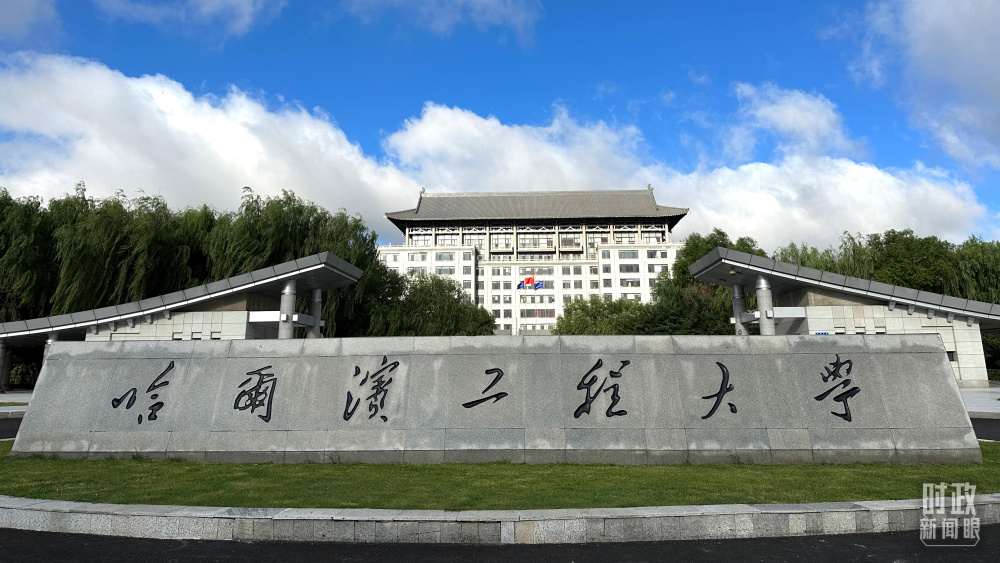
Most notably, the reasons for the sanctions listed in the circular are precisely: there are no serious harm consequences and the use of unauthorized cross-border connections is still sufficient to allow students to be disciplined. This is not just a high school Internet event, but a case of how Internet access control in China is implemented through school monitoring and school discipline, with specific effects on personal life. A student connected to what website, which can be recorded in the technical system; The path of connection may also be the basis for disciplinary decisions.
原始来源 · stheadline.com星岛日报:哈尔滨20名大学生使用VPN遭警告处分9月27日跟进报道,含网传学院处分通报的新闻画面。stheadline.com ↗The management has a clear institutional context. State Department Article 6 of the Provisional Regulations of the People's Republic of China on International Networking of Computer Information Networks (ICN) provides for international networked channels and prohibits the establishment or use of other channels. Access rules at the national level are implemented through the campus network system to individual accounts. The circular cited by the Central Society further shows that the College requires students with scientific research and learning needs to access offshore academic resources using the school library database or the approved out-of-school access system. It is managed not only by the stable functioning of the campus network, but also by the technical entry points that students can choose when they come into contact with the outside network.
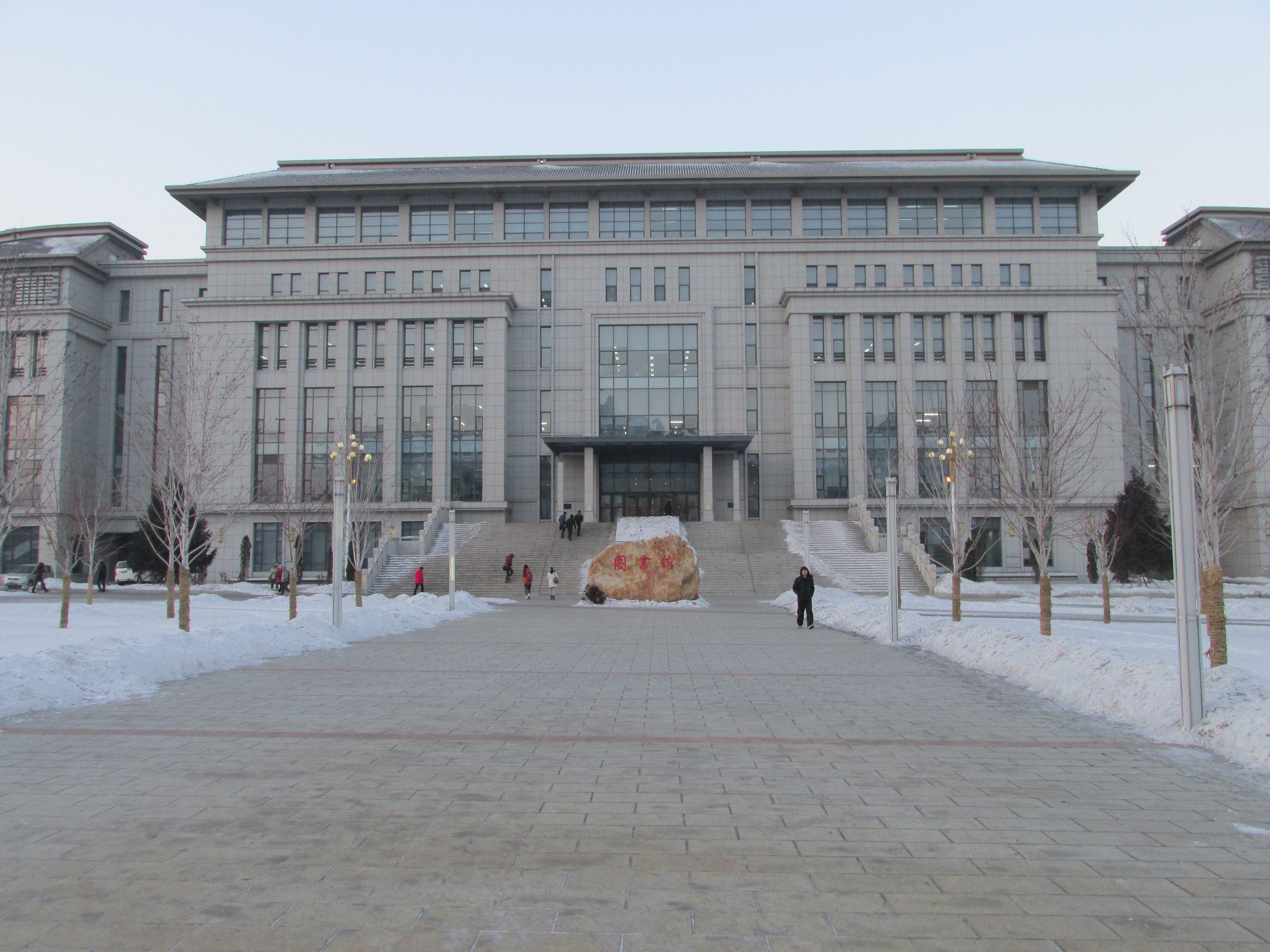
The military engineering scientific background at Harbin Engineering University makes data security and covert protection a real issue that cannot be ignored. However, the circular was intended to address the use of VPN by 20 students to connect to offshore networks; The reported sanctions were not based on cyberattacks or the disclosure of classified documents by the students. Different security risks require different evidence, not because they all occur in a network environment and are considered the same in public discourse.
More notably, monitoring itself. The Central Agency reported that the acts were kept in full records by the Cybersecurity Monitoring System. Students enter the school network and enter a personal account; The connection is recorded in the system, and disciplinary measures are taken by the College accordingly. Technical monitoring, identification, administration and discipline were followed by the incident. The recording of actions, who can access them, how long they are kept, how to identify violations from the logs are no longer merely technical details of the back office of the information sector, but are directly related to the school system of student rights.
, the School Informatization Service announced on-line HEU VPN in October 2023, to provide students and teachers with access to the campus network from outside the school. It is different from the use of the campus network for visiting offshore resources in this case, but reveals one thing: the VPN is not a mysterious technology with some political or security nature; Its acceptability depends on the authorized use and the rules governing it. The fact that scientists need to constantly access open-door papers, academic conferences, open-source codes, foreign literature, the resources that are accessible and those that must be requested by way of way, ultimately affects the efficiency and autonomy of researchers in accessing information.
原始来源 · nic.hrbeu.edu.cn哈工程信息化处:关于“HEU VPN”系统发布上线的通知2023年10月7日发布;校方关于师生从校外访问校园内网资源的原始制度文件。nic.hrbeu.edu.cn ↗
includes the search for and receipt of information regardless of frontiers as an integral part of freedom of expression. This international human rights principle is put next to the events, with a sharp contrast: students are formally sanctioned for cross-border network connections, while schools require access to external academic resources through restricted channels. What happens here is not just a dispute over the use of web-based tools, but a conflict between the right to access information and the right to administration. The Chinese network censorship system is reflected in specific identity records, access modalities and disciplinary procedures on campus, resulting in an abstract system with 20 parties.
Another detail that cannot be ignored in the briefing is a warning that the recurrence of similar acts will be dealt with in a strict manner. A disciplinary order is not limited to persons already dealt with: bystanders also recalculate the cost of visiting resources abroad. Such a discipline signal could turn a pre-emptive decision on whether or not to obtain a regulatory licence, from what would otherwise be a learning, research and information retrieval option.
Schools have a responsibility to maintain cybersecurity, but this sanctioning circular has pushed another public issue forward: when the technical path of access to information outside the country itself can trigger a warning, how can universities guarantee students sustained and easy access to international knowledge resources? The experience of 20 students presents a clear path to network control from the national system to the day-to-day management of higher education institutions; Its impact has gone beyond the campus network of a college.
Article discussion
Verified members can discuss this report publicly and manage their own content.
Checking member sign-in status…