

In a threat intelligence report released in September, Anthropic revealed that numerous China-related operations have used Claude to handle political surveillance, religious intelligence and cross-border target information. The report listed topics include Uighurs, Tibetan Buddhists, Taiwanese politicians, workers and academics, dissidents, and foreign media in Syria. These cases show that generated AI has been used to combine a series of continuous processes to collect public information, screen people, shrink relationships, and write intelligence reports.
原始来源 · anthropic.comCountering misuse of AI: September 2026 / AnthropicCase studies from threat actors disrupted between December 2025 and August 2026 across seven areas of harm, from cyber operations to biological misuse.anthropic.com ↗The first evidence comes from the pursuit of Uighurs in Syria.Reuters case scratched based on Anthropic threat intelligence reportAn operator used Claude to search for Uighurs who may have been affected by money or personal circumstances and attempted to obtain information about Uighur armed units.Anthropic was less confident in judging the operator’s association with China’s national security system, but believed it could be a contractor working for China’s national security department.
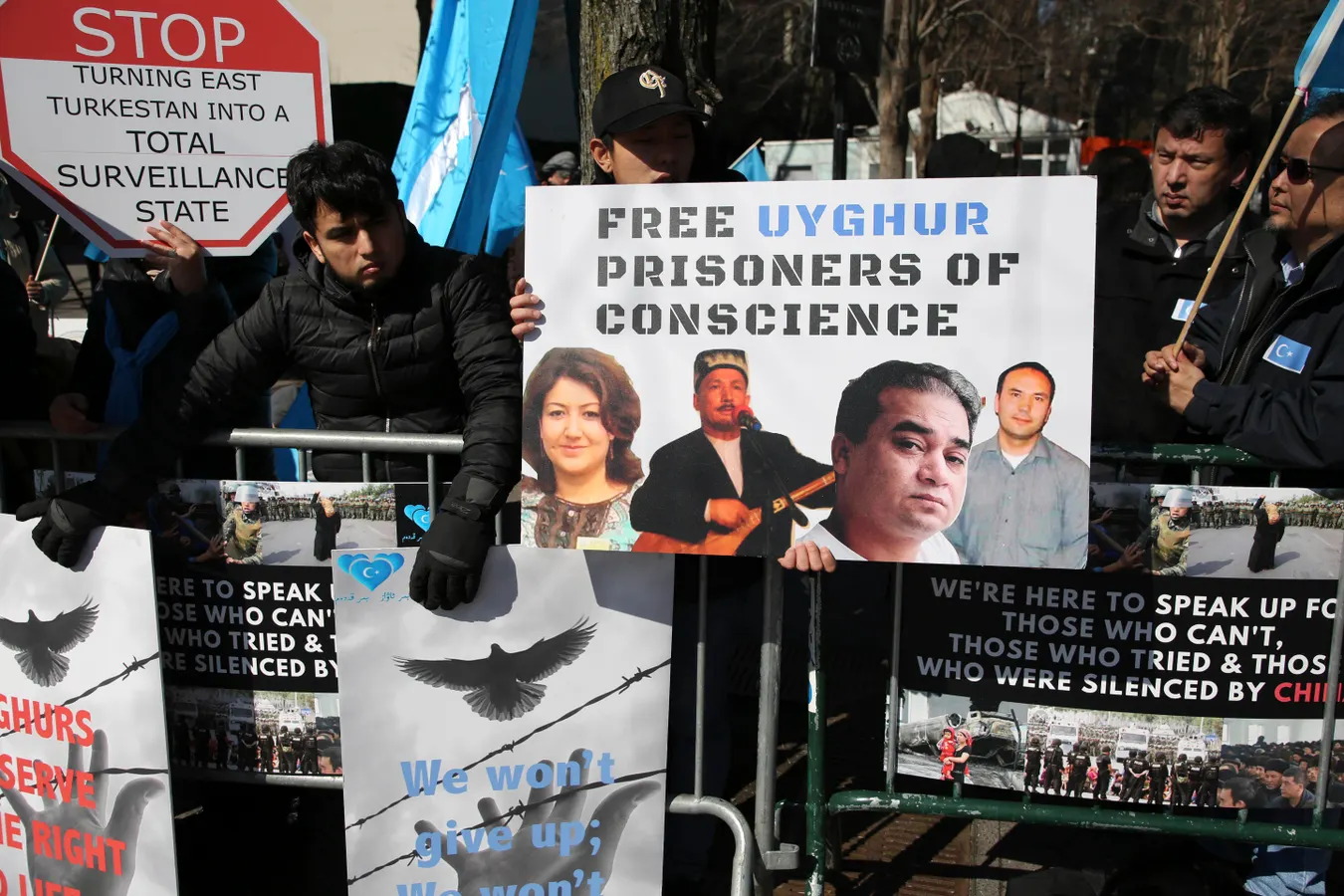
The second evidence pointed to the collection of information about religious and political figures.Anthropic said that China’s affiliate operators used Claude to gather information from Catholic cardinals, Christian leaders in Taiwan, Tibetan Buddhists, dissidents and activists. The tool was not used to simply search, but to convert decentralized information into personal archives and analysis results available for direct use by the surveillance system.
The third evidence comes from automated “government-style” surveillance reports.Anthropic revealed that another Chinese affiliate operation has classified Uighurs, Tibetans, Taiwanese politicians, workers and educators, and foreign media as objects of surveillance, and used Claude to form similar reports for internal use within the government. This step has gone beyond “assisted retrieval” and has entered the phase of mass-generating political intelligence products.

China's Foreign Ministry responded that it did not understand the Anthropic report and said China advocated the development of artificial intelligence to the good, opposed to distorting facts and blackmailing China.
These cases highly overlap with existing political surveillance in China, with Uighurs, Tibetans, religious groups, dissidents and some Taiwanese politicians in China.Long-term under different levels of security scrutiny and intelligence collectionThe change brought about by generated AI is to further automate the work that originally relied on man-made collection, translation, filtration and arrangement.
Anthropic’s report does not prove that every action is directly commanded by the Chinese government, but it has demonstrated a clear technical pathway: national or par-national surveillance networks can use generated AI to scale out targets, speed up figure imagery, and turn cross-border surveillance into mass-processable information engineering. For the Chinese security system, the most direct value of such technology is not “chatting”, but reducing the human and time costs of political surveillance.
Article discussion
Verified members can discuss this report publicly and manage their own content.
Checking member sign-in status…