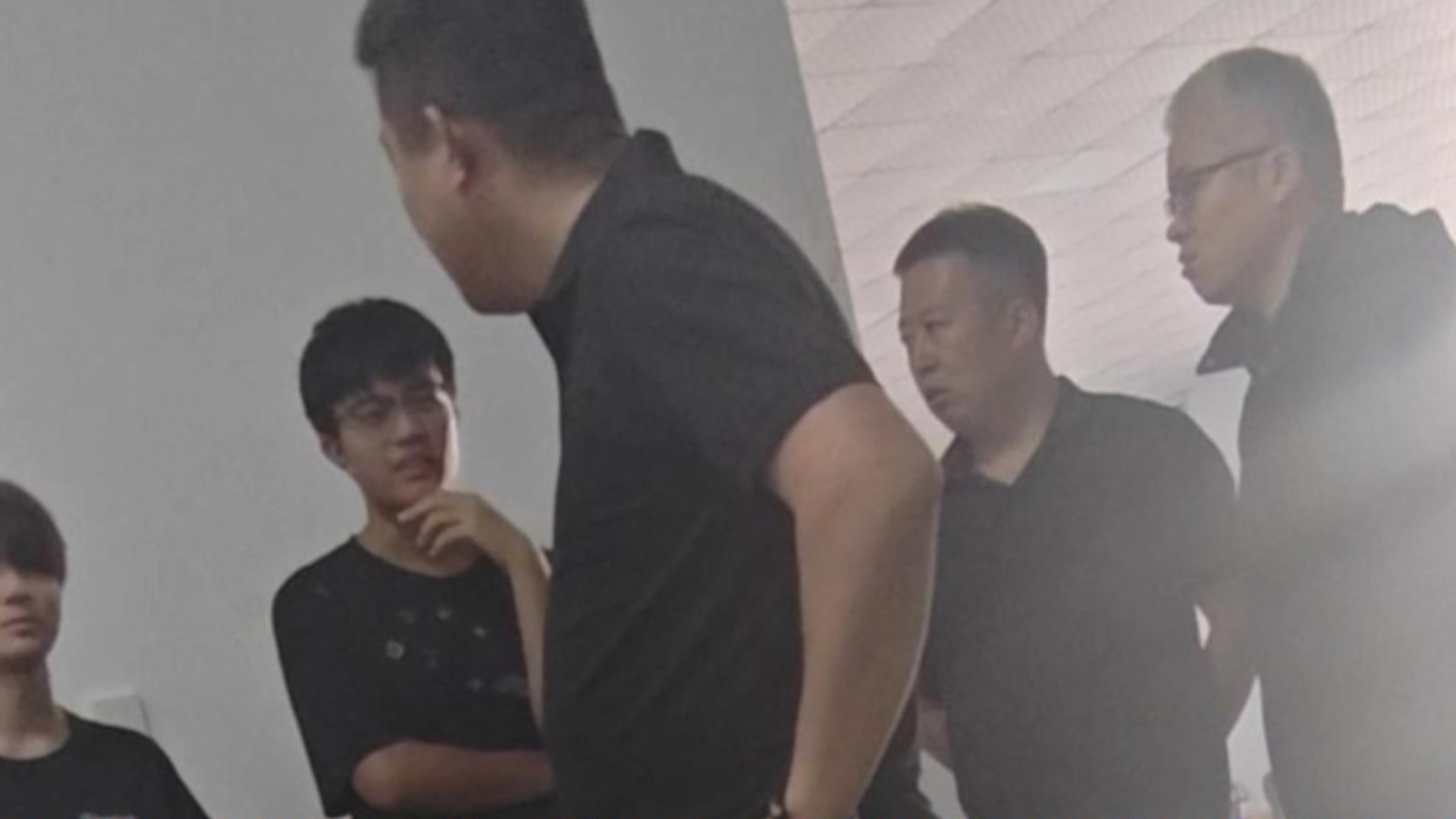
On 23 September, a group of first-year students at the first year of vocational school stopped working in the Sangen Electronics Technology Company Limited factory in Shandong, demanding that their salaries be settled and that they leave their internships. In the public video, one manager said to the lead student, “Not to us going out to practice”, while another staff member went to the front for the mobile phone the student was filming.
This scene shows the one side of “vocational school internships” that is most easily packaged: students who enter the company in name for practical teaching may actually face a conflict of hours, pay settlement and management that is almost identical to those of ordinary industrial workers, and are more difficult to leave freely than ordinary workers because of the pressure of studies, discipline and graduation.
Students say they work 13 hours a day, and internships have crossed the “teaching aids” border
Students from the “Faceday” Journal stated that they were placed in the San Xiancheng e- intern in Shandong under a unified school arrangement, working up to 13 hours a day. At the same time, students indicated that the work was stopped because they wished to settle their wages and leave the factory.
If 13 hours of work were to be done, it would be difficult to explain it with the usual “internship strength”. The goal of vocational school students entering the enterprise should be to complete the teaching and skills training, not to fill the production line gap. Once working hours are close to the production logic of the water line, it is the responsibility of the school and the enterprise to explain how much of the so-called internship is taught, how much is produced and whether the student has a real exit choice.

One sentence of "excellent practice" reveals a management relationship rather than a mood out of control
The most representative of conflicts on the ground is not just the provocative language of managers, but the position of power. Students are paid and are leaving; The management has the job, the pay settlement and the order of the field. The two sides did not have a reciprocal argument.
Another staff member then tried to take the mobile phone used by the students for the film. For students in vulnerable situations, mobile phones are not an additional tool for parametrics, but rather for the preservation of evidence of on-site, wage disputes and management behaviour. The competition for mobile phones has thus further turned the labour conflict into a fight for the right to record information.
The more dangerous layer is whether schools form a “send-to-work” chain of interest with businesses
Students also alleged that the schools charge so-called “head money” to factories, which leads to a stable labour force; If students make matters worse, the school may exert pressure by remembering, influencing graduation.
This part of the allegation is now further substantiated by the need for internship agreements, cooperative contracts with schools and financial transactions, but it touches on the most sensitive risks of the vocational education internship system: when schools are responsible for both student studies and graduates and for channelling students to enterprises, there is a clear conflict of interest if the schools simultaneously derive financial benefits from the enterprise.
原始来源 · search.laborinfocn.com工劳网:山东三贤电子实习学生事件工劳网收录并整理该事件的劳动权益背景。search.laborinfocn.com ↗Internships can easily slide to passive work if they cannot be freely withdrawn
Vocational education is of course required to enter the enterprise, but “entry into the enterprise” does not mean that the student status is abandoned. Schools still have an education and responsibility to protect, and enterprises cannot lower working hours, wages and management standards because students are not regular workers.
The most important items to be pursued by San Xianxiang, Shandong, in this case, are four types of material: physical attendance, pay flow, tripartite internship agreements, and cooperation between schools and enterprises and payment of fees. They decide whether this is a common internship dispute or a mechanism for the stable delivery of low-cost labour in the name of education.
When students end up protecting themselves by stoppages, group payments and videotaping, the word “internship” cannot cover up the real labour relationship behind it.
Article discussion
Verified members can discuss this report publicly and manage their own content.
Checking member sign-in status…