

After the San Francisco summit in November 2023, then-President Biden reiterated at a press conference that he still called Xi Jinping a “dictator” because China was led by the Communist Party and its political system was very different from that of the United States. The Chinese Foreign Ministry then publicly rejected the statement, saying it was “extremely wrong” and belonged to “irresponsible political manipulation”.
This question cannot be answered with a single label. Political science discussions often look at the sources of power, the mechanisms of leader replacement, political competition, journalism and spaces of expression, whether judicial and legislative institutions can form effective constraints. The terms and classifications used by different research institutions are not entirely consistent, so the "dictator" as an analysis endpoint may instead cover up institutional issues that are truly worth discussing.
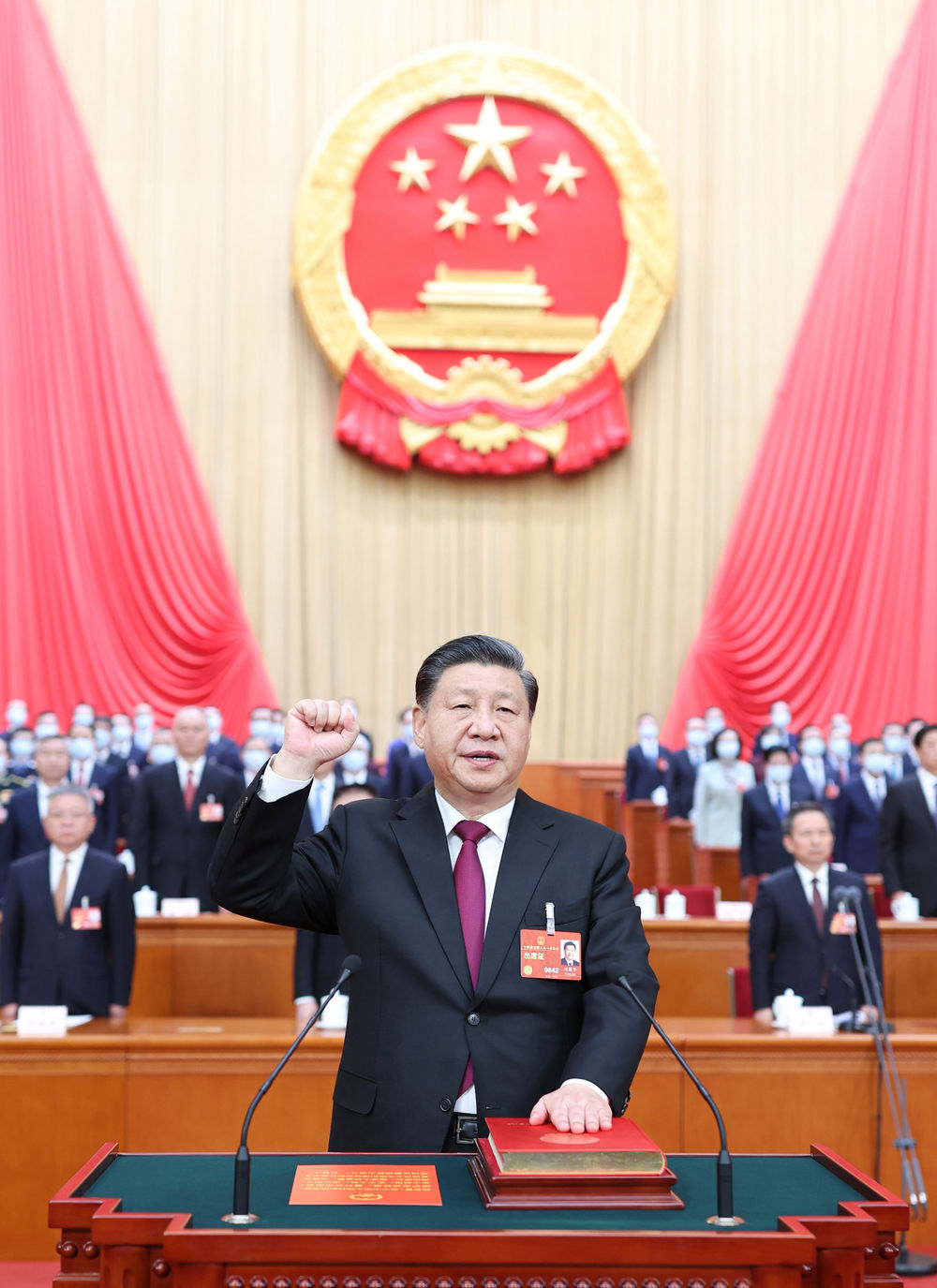
China’s own system changes provide a set of facts that can be publicly examined.The 2018 Constitutional Amendment removed the statement that the President and Vice-President “cannot serve for more than two consecutive terms”.The relevant statements of the National People's Congress interpreted the amendment as conducive to safeguarding the authority of the Party Central Committee and centralized and unified leadership and improving the national leadership system.The official discussion in support of this arrangement emphasizes political continuity, centralized and unified leadership and governance stability; critics are concerned about how the supreme power is institutionalized under long-term governing conditions and whether the mechanism for replacing leaders is sufficiently clear.
External agencies also evaluate the Chinese political system from different indicators.The House of Liberty listed China as “non-free” in the “World Freedom 2026” China report.The ratings are based on indicators such as political rights and civil liberties.This type of assessment is based on the judgment made by specific institutions according to their methodology and is not formal in international law, but it reflects the long-term concern in international public discussions about Chinese political rights, media environment and civic space.
Therefore, the term “dictator” surrounding Xi Jinping is really worth discussing not whether a word is sharp enough, but what the word points to as a verifiable institutional phenomenon: how the term restriction of the highest leader is designed; how the power relationship between the party, state organs and the military works; how responsibility is pursued when major errors occur in public policy; whether society can publicly criticize the highest leader; whether the media, academia and civil society can continue to discuss alternative policies.
From a diplomatic perspective, the term also has real consequences. Biden continued to use the term "dictator" after a long conversation with Xi Jinping and the two sides sought to restore military communication, indicating that system judgment and real diplomacy can exist simultaneously. Beijing saw this as an attack on China's political system and leaders.
As a public issue, discussing “Is Xi Jinping a dictator” can have different conclusions, but discussions should not stop at the slogans. A more valuable path is to break down the dispute into the degree of concentration of power, term and succession mechanism, political competition, accountability system, freedom of expression and institutional balance, and allow readers to form their own judgment based on public facts.
Article discussion
Verified members can discuss this report publicly and manage their own content.
Checking member sign-in status…