
China’s special envoy for the Pacific Islands warned that Taiwan would “have consequences” if it appeared at Palau, while the Chinese Foreign Ministry declared that Taiwan “is not eligible at all to participate in the forum activities” and called Taiwan Foreign Minister Lin Jiao Long’s visit to Palau a “running visit.” Beijing tried to exclude Taiwan from relevant activities before the opening of the forum, but the host did not change the arrangements.
正在读取来源 · reuters.comreuters.com正在读取新闻标题与预览大图…Palau President Hu Jintao then directed the line at the forum opening ceremony: partners can go along, but can not decide the direction for the Pacific island nation. This statement does not circumvent the controversy, but defines China's pressure as an interference with the island nation's autonomy and the forum's agenda.
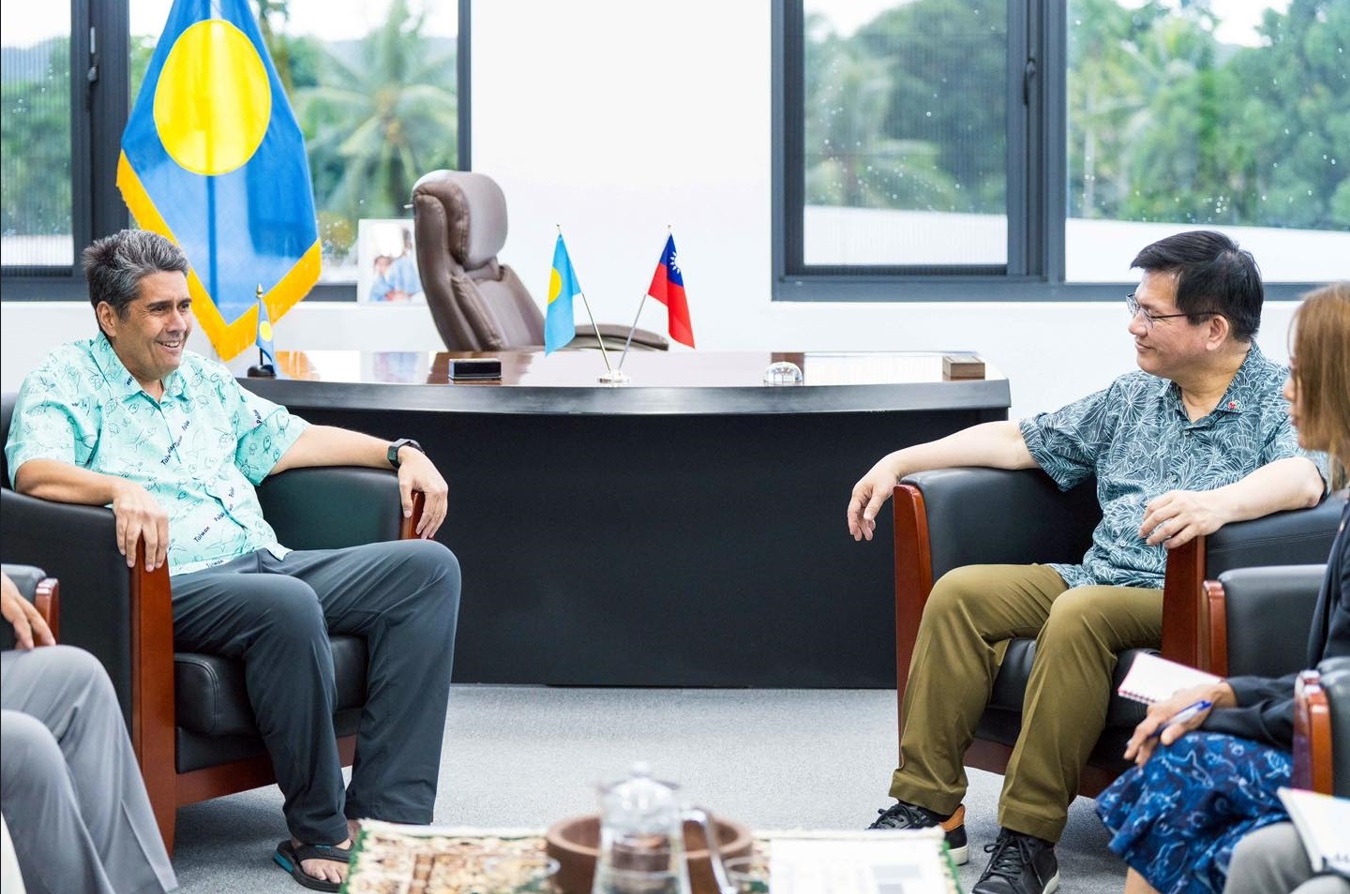
Lin Jianlong still arrived in Palau as planned and participated in events around the forum. Palau did not cancel the reception because of Beijing’s warning. After China put forward the “consequences”, the actual result was that Taiwan representatives continued to appear and the host continued to arrange meetings and events.
Australian Prime Minister Albany then said that who will attend the summit should be decided by the Pacific Island Forum himself; New Zealand Foreign Minister Peter also publicly stressed that the forum will not accept instructions from external countries.
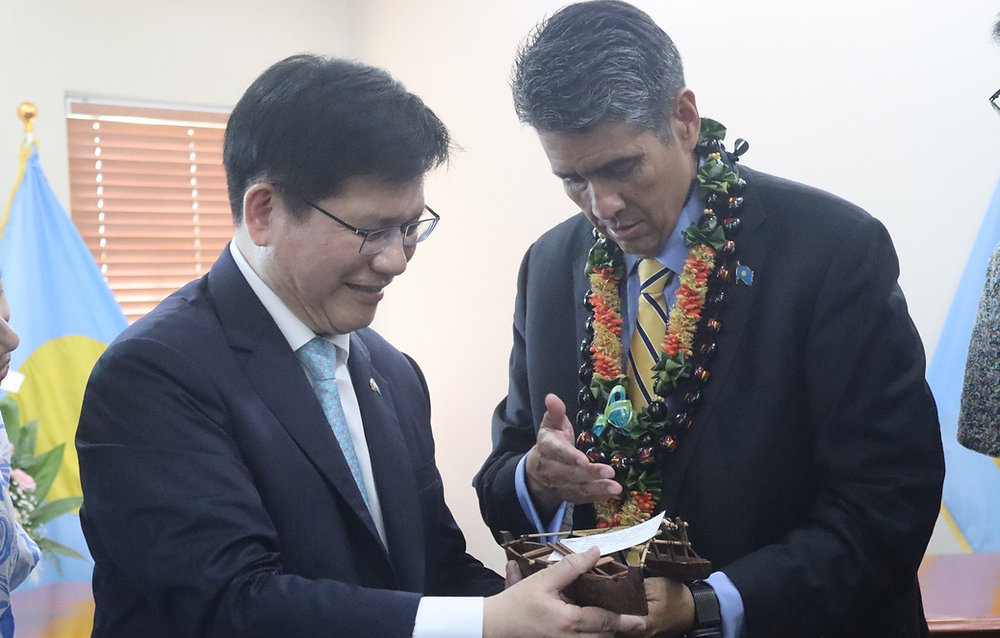
The Ministry of Foreign Affairs of Taiwan subsequently announced the schedule of the visit of Lin Jiaong to Pa from August 27 to September 3.He confirmed that he attended the opening ceremony of the Forum, the Taiwan Night co-hosted by Taipei, and had a dialogue with President Palau, Prime Minister Tuvalu, and the leaders of the Marshall Islands. These activities were conducted as usual following public warnings in China.
Beijing is highly sensitive to the forum and is linked to Taiwan’s rapidly narrowing diplomatic space in the Pacific Ocean.China has continuously compromised Taiwan’s regional presence through diplomatic recognition, conversion, aid and economic and trade cooperation over the past few years; Taiwan currently has only three official states in the Pacific, Palau, Tuvalu and Marshall Islands.
But diplomatic recognition of quantitative superiority did not turn into absolute control over regional organizational arrangements. Palau did not accept Beijing’s pre-conditions this time, and Australia and New Zealand also openly stood in the position of “members of the forum to decide for themselves.” China’s influence in the Pacific has expanded, but as Beijing further used this influence to restrict who can appear and who can participate in the event, regional nations began to see the matter as their sovereignty and agenda control.
The outcome of the confrontation was concrete: Beijing warned that Palau had not changed its arrangements; China opposed the appearance of Taiwan, and Lin Jianlong continued to complete the visit and participate in the event; China tried to bring the issue of Taiwan into the forum, and several regional countries withdrew the decision-making power back to the forum itself. Beijing’s diplomatic blockade of Taiwan suffered public and visible resistance in Palau.
Article discussion
Verified members can discuss this report publicly and manage their own content.
Checking member sign-in status…