
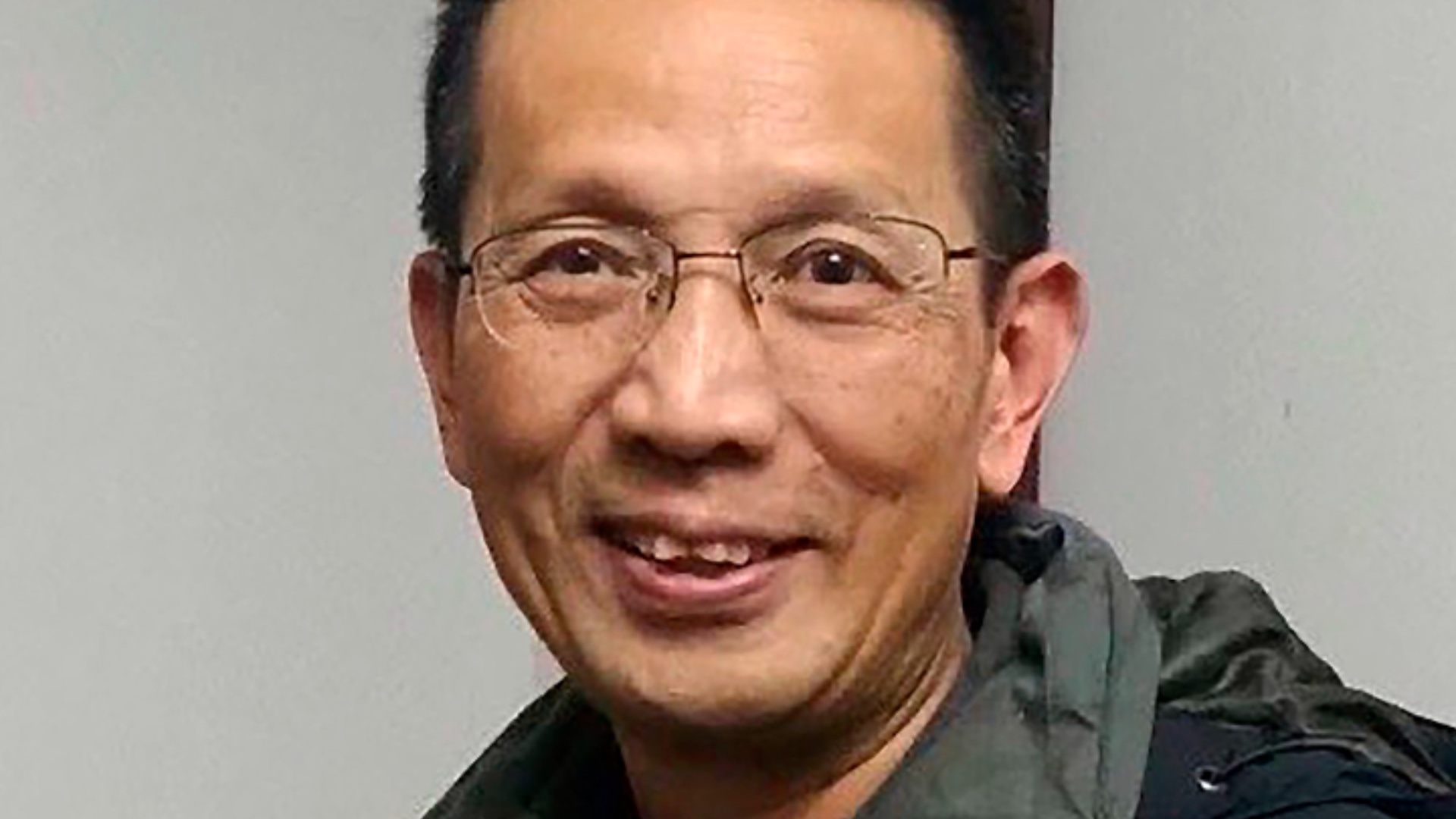
Tsao San has served seven years of his sentence, but more than two years later he has not been able to obtain a new passport or to travel to the United States to join his wife, two sons and his uncharted grandchildren. > A new interview published on 22 September by the China Aid Association shows that the 67-year-old priest has diagnosed the fourth stage of prostate cancer, and that cancer cells are transferred to bones and spines and are being treated in long salsa. The sentence has been completed, but the restrictions have not ended with the prison gates.
Cao San was arrested at the border with China and Myanmar in 2017 and sentenced to seven years' imprisonment for “organizing someone else to cross the border”, which expired in March
- Supporters claim that he had previously been involved in school and charity projects for poor areas in Myanmar; Chinese courts have convicted persons for offences committed in the form of cross-border acts. In any event, the seven-year sentence imposed by the court has been completed.
What really deserves to be tracked is what happens after the end of the sentence. The Chinese passport of Cao San has expired while serving his sentence and has not been able to obtain a valid document since. Public reports also indicate that his civil status, identity documents and identity documents have been irregular, affecting access to health care, transportation and daily life. The situation has reached an advanced stage, but he is still unable to leave the country normally.
The point here is not that the old case should have been repudiated, but whether the system of public security entry, exit and identity management still de facto determines a person ' s free borders after the end of the sentence. The administrative actions of the authorities that determine whether the passport can be reissued, whether there are any restricted exit records, which authority decides, how long it will last, whether the person concerned has access to written reasons and the avenues of redress are directly determining whether he or she can meet his or her family.
For a fourth cancer patient, this limitation is not an abstract document issue. Bones and spinal transfers mean that treatment, care and living arrangements are at a high risk phase. His family is in the United States and he is still trapped in China, and administrative restrictions thus extend to medical options, family support and individual decisions at the end of his life.
The situation of Cao San also reveals a follow-up stage that is often overlooked in political and religious cases: the end of prison sentences does not necessarily mean the simultaneous restoration of rights. Criminal justice has a clear term of imprisonment, while administrative powers such as civil status, passports and exit eligibility may form a continuous control with no clear endpoint if they remain in a state of chronic inactivity.
No detailed written explanation from the competent authorities regarding the long-term inability to update the Cao San passport is available from the public sources. This is why the focus of responsibility in the case is already very specific: who refuses to issue the additional documents, under which law, whether there is a formal decision to restrict the exit, and whether the person concerned can file a complaint in accordance with the law. As long as there are no transparent answers to these questions, the “release” of Cao San remains only a release in the criminal sense, not a complete restoration of freedom of movement and family life.
The most acute reality of this case is that a person who has already served a full sentence and has advanced cancers still needs to be reunited with the most basic families through international public opinion and outside help. It is no longer the court decision that determines whether he can leave, but the administrative power to do so, in addition to the penalty.
Article discussion
Verified members can discuss this report publicly and manage their own content.
Checking member sign-in status…