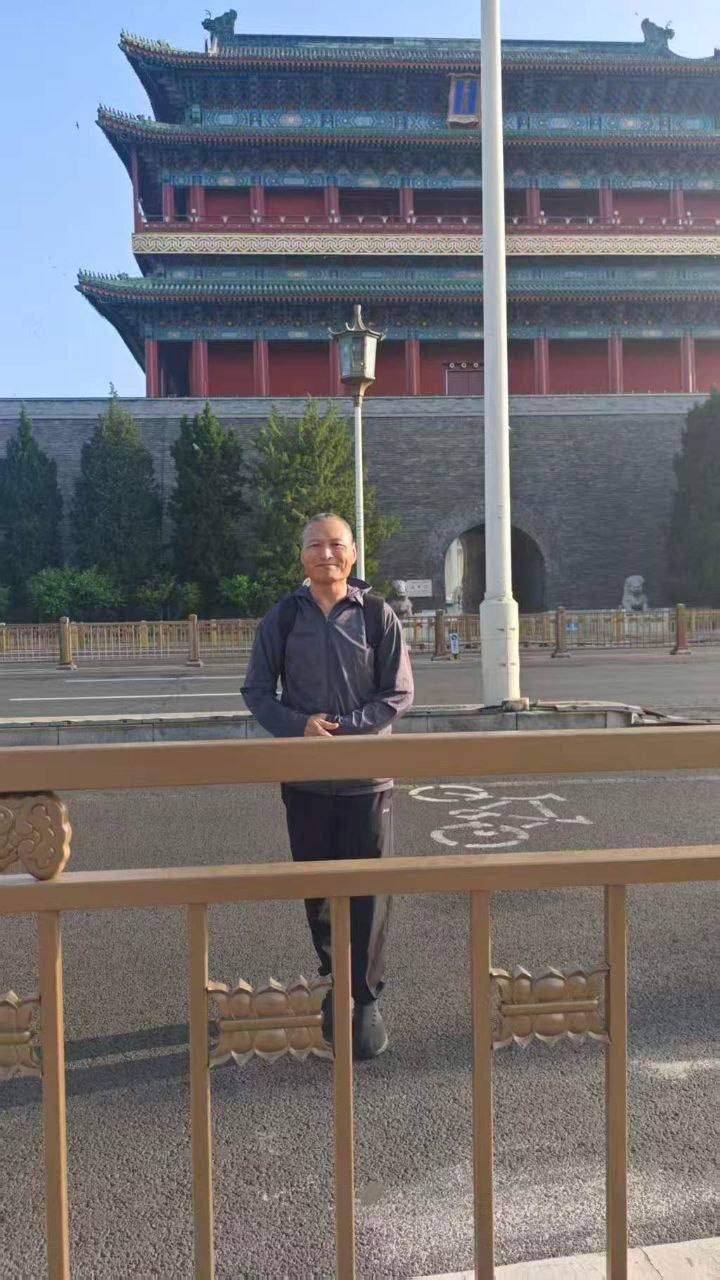
On 23 September, the case against Zhang Tai, a rights defender, was opened at the Yamato District Court of the city of Noboa. The Movement cited information from the Network that the court had previously informed that the case would be heard in public at 9.40 a.m. the same day, but that several citizens who were ready to attend were informed, after waiting in court, that the hearing would be held in camera.
The schedule of public hearings changed on the day of the session
It was reported that five citizens were present on the scene that day, and that, at approximately 10.30 a.m., the presiding judge announced that the case would not be heard in public and that the hearing would then leave the courtroom. No public statement explaining the specific legal basis for the change in the manner of the trial has been made available to the Yamamoto District Court.
(a) The Chinese Code of Criminal Procedure requires, in principle, that the first-instance case be heard in public, but that the statutory circumstances relating to State secrets, personal privacy, etc., be kept secret; There are other rules for cases of minors. The reasons why the Zhang case changed the schedule the same day after the notice had been made public, and the available public material did not show the formal reasons given by the Court.
原始来源 · chinahrc.org权利运动:张超案开庭临时改为不公开审理9月23日报道记录现场旁听者所述庭审安排变化。chinahrc.org ↗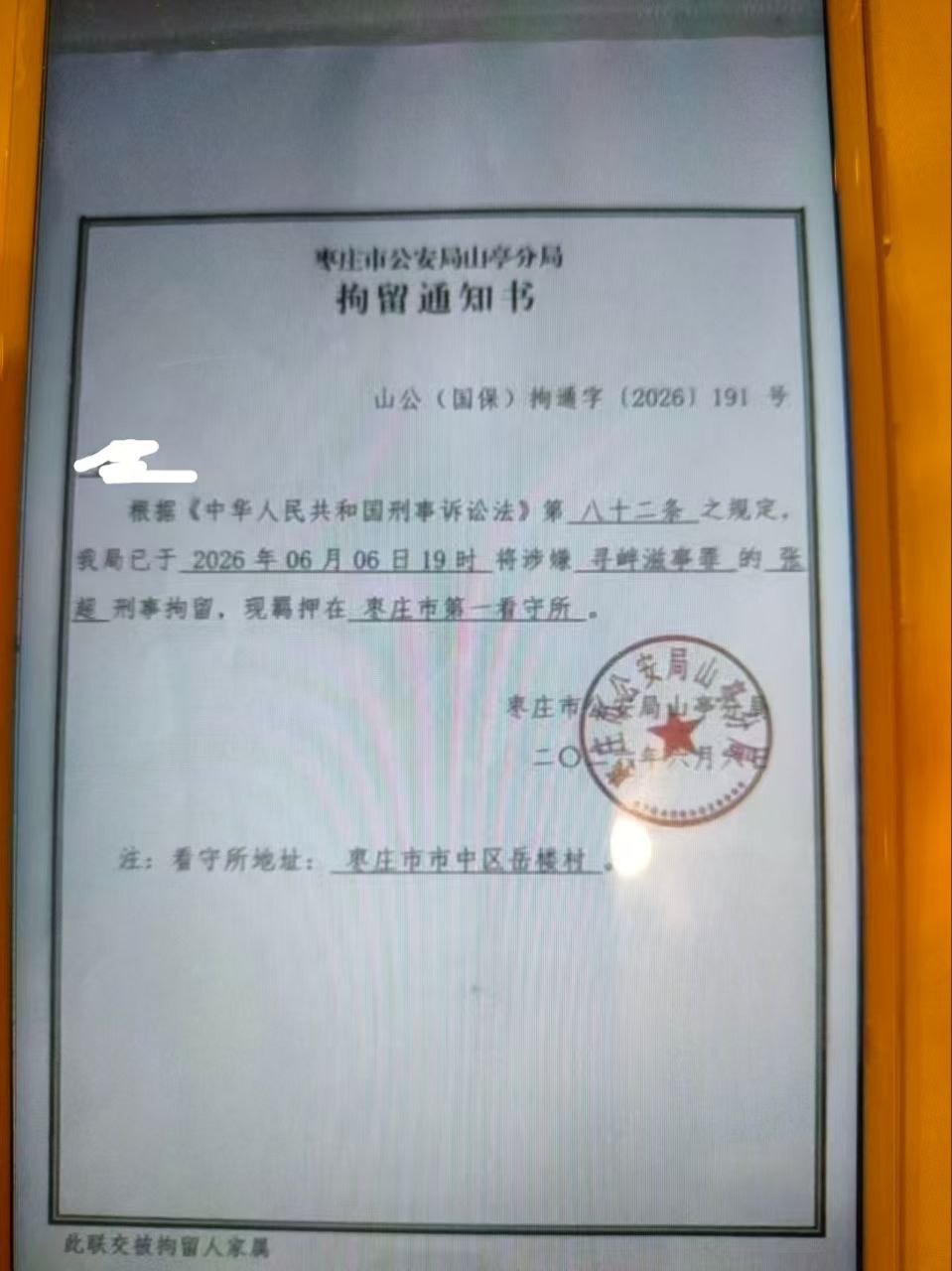
Case has been initiated in connection with the social media content of June 4
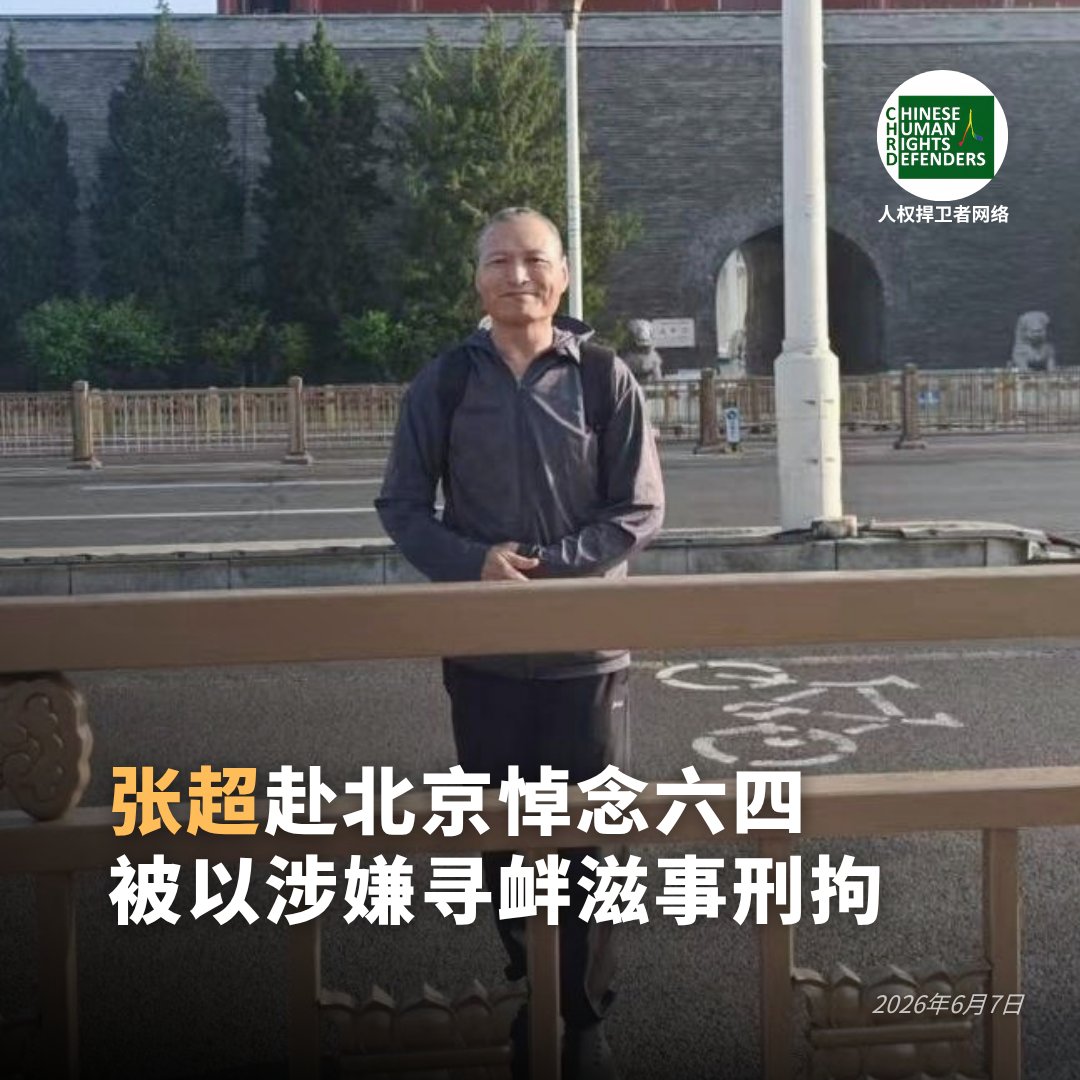
The Movement previously reported that Zhang was a lyric, that on 4 June 2026, he took photographs outside the fence at Tiananmen Square in Beijing and sent the text and photographs of the memory of the “six-four” to the circle of friends. The following morning, he was taken from Beijing by security officers from Shandong-Tao, detained by the Yamato Public Security Department on 6 June for criminal charges of “scathing in the streets”, and was authorized to be arrested on 18 June.
The CHRD Network of Human Rights Defenders has published a photograph of a criminal detention notice in X. The document shows that he is suspected of “scathing” and that he is being held in the first prison in the city of Makoto. This document provides more direct material than second-hand accounts for understanding the case procedure.
Counsel has previously indicated that the meeting was blocked
In early August, the Movement cited family and lawyer information that defence lawyers had been unable to meet with him on several previous occasions before they had made a intervention. The report also repeats that the police questioned the content of their social platforms during the investigation and the events of 4 June in Beijing.
These claims are currently mainly from Zhang himself, his family and the rights-based agencies, and the case-handling organs do not publicly disclose a complete indictment or a catalogue of evidence. Therefore, the formal legal instruments of the courts and prosecution authorities still need to be relied upon with respect to the scope of the prosecution ' s specific charges, the composition of the evidence and whether the hearings involve a statutory in camera.
The issue of public trials has become the new focus of the proceedings in this case
The most clear new change in the present case is not the charge per se, but the public state of the trial that changed on the day of the hearing. If the court finds that there are statutory reasons for the non-disclosure of the case, the relevant grounds and decision-making procedures should normally be able to be recorded and reviewed by law. At this stage, only the accounts of the scene by the observers are available in open channels without any written explanation from the Court.
The opening of a case means that the criminal proceedings are at the trial stage. The outcome of the judgement, the lack of public information about the entire trial, the complete access of defence counsel and the presentation of their defence opinions are key facts in determining whether the procedural guarantees have been implemented.
Article discussion
Verified members can discuss this report publicly and manage their own content.
Checking member sign-in status…