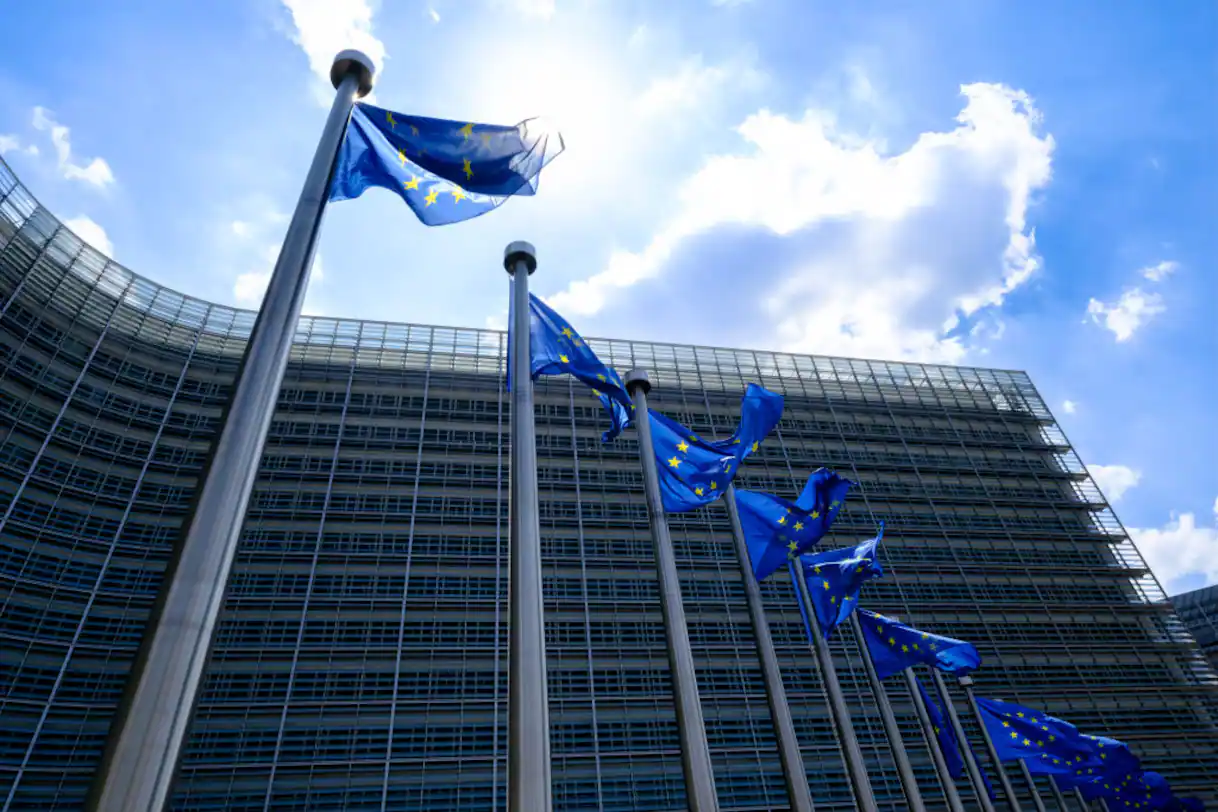
The European Commission and the High Representative of the European Union for Foreign Affairs and Security Policy released the 28th annual report on Hong Kong on September 22.The report believes that Hong Kong’s high level of autonomy, fundamental rights and freedoms continue to be eroded; the Hong Kong Special Region Government issued a statement on September 23 saying the report was “unfounded and biased” and emphasized the stability of national security laws, the independence of courts, the protection of news and other rights in accordance with the law.
Political changes listed in the EU report includeThe National Security Appendix Act continues to be enacted in 2025, the second legislative election with a political qualification review mechanism, the dissolution of the Democratic Party and the social democracy link, and the ongoing trial of a number of national security cases, according to the report, all legislature candidates must pass the qualification review, and records that the Democratic Party completed its dissolution in December, the Social Democracy Link announced its dissolution in June and said it was subjected to "enormous political pressure."
原始来源 · eeas.europa.eu欧盟:香港2025年度政治与经济发展报告eeas.europa.eu ↗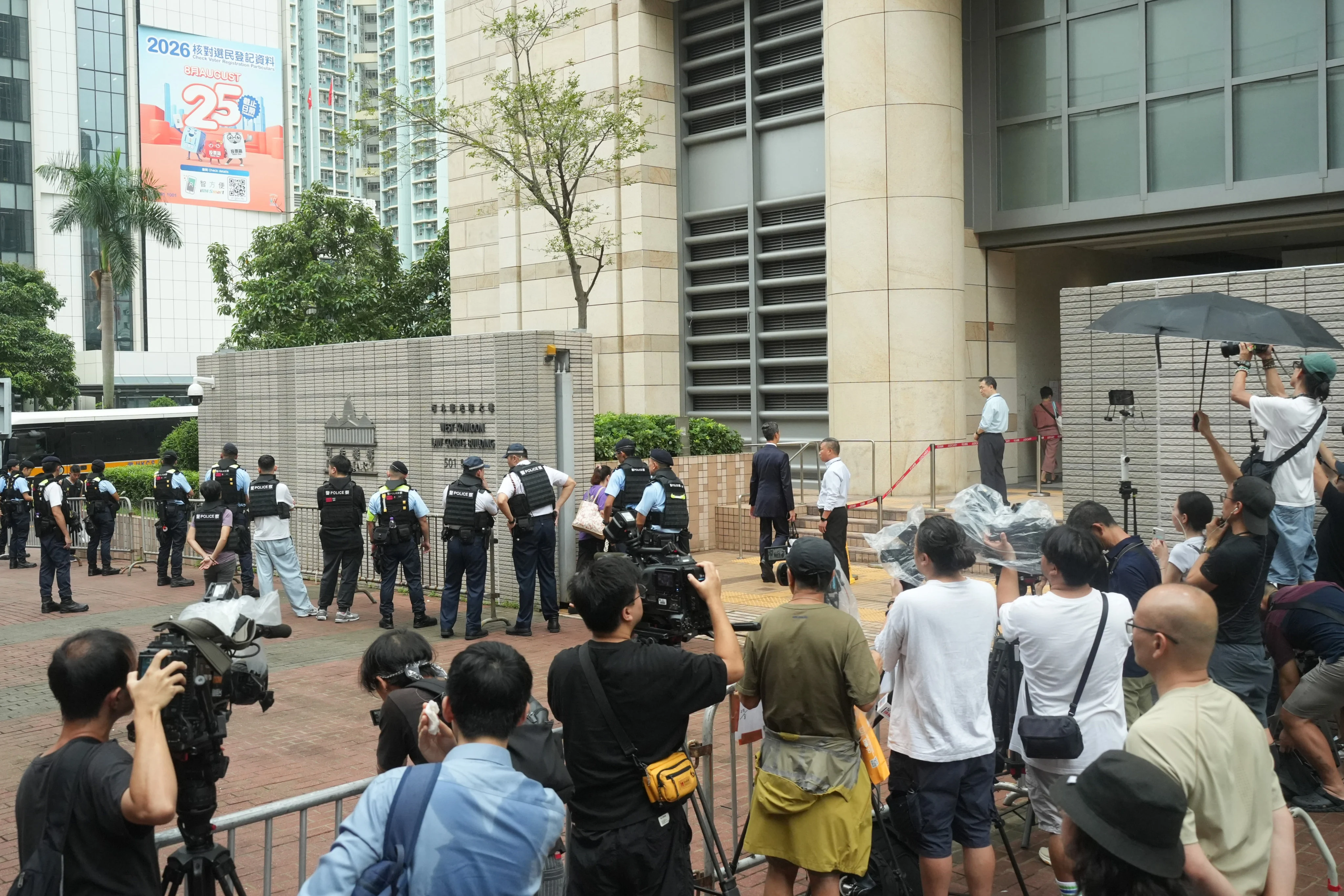
In the field of justice, the EU report focuses especially on the procedures for long-term detention and national security cases. Li was convicted in December 2025 of crimes related to national security and incitement; the report said he has been in detention since December 31, 2020, with hearing lengths far exceeding expected. The report also noted that Hong Kong police continued to issue red search orders to overseas activists in 2025, involving 34 people living abroad, including 15 more.
“Stability” and “Freedom” under the National Security Law: Two sets of positive indicators collide
The report cites reports such as Reporters Without Borders and the Hong Kong Foreign Press Association that Hong Kong ranks 140th in the 2025 World Press Freedom Index; in the Foreign Press Survey, 65% of respondents said they had carried out self-censorship and 33% had considered leaving Hong Kong due to the deterioration of media freedom.
At the same time, the report also notes that Hong Kong continues to have significant economic and commercial advantages.Hong Kong is still one of the world’s third-largest financial centers and one of Asia’s largest financial centers, with approximately 1,770 EU companies operating in Hong Kong, of which approximately half use Hong Kong as a regional business base.In other words, political and civil rights disputes did not lose Hong Kong’s position as an international financial and trade hub, and the two trends coexisted at the same time.
Hong Kong rejects: National Security Law restores order, justice and freedom of the press are still guaranteed
The Hong Kong Special Region Government responded on September 23:The EU that the criticism of the Hong Kong National Security Act and the National Security Regulations was a political manipulation, and that the laws targeted a very small number of persons endangering national security while protecting the rights and freedoms of the vast majority of citizens.The Hong Kong Government also stressed that the Hong Kong courts independently exercise their jurisdiction and are not interfered; anyone is prosecuted for illegal acts, not for political views, backgrounds or occupation.
In the statement, the Hong Kong government also rejected the EU's assessment of press freedom and electoral system, saying that the media environment in Hong Kong is still active, journalists enjoy freedom of interview and comment in accordance with the law; the current electoral system operates in accordance with the "patriotic port" principle. For the EU's criticism of overseas searches and the application of national security law, the Hong Kong government argues that safeguarding national security is the constitutional responsibility of the central and special district governments, and refers to the existence of national security laws in other countries that also have overseas effects.
Disputes end up falling into systemic facts that can be verified
The dispute is more than just a diplomatic battle, as the statements of both sides concern institutional indicators that can be continuously observed: whether candidates need political censorship, whether opposition parties can continue to organize, pre-trial detention periods in national security cases, procedural rights of lawyers and defendants, the business environment of news agencies, the scope of overseas searches, and whether courts can maintain procedural independence in highly politized cases.
Therefore, the reality of Hong Kong 2025 presents a clear double picture: financial markets and transnational business activities remain in scale, common law, low taxation and international capital networks continue to work, while political participation, national security law enforcement and media space become the most intense areas of debate with international institutions.
Article discussion
Verified members can discuss this report publicly and manage their own content.
Checking member sign-in status…