
Fifty years ago, on the 9th of September, Mao Zedong died; fifty years later, the public memory around him has not yet become common history.According to Reuters.Although the Communist Party of China later characterized the Cultural Revolution as a serious mistake, and believed that Mao bears the main responsibility, it has alwaysined the political assessment of "performance greater than error."
1976 to 2026: A Line of History Without End
In 1966, the Cultural Revolution began, and political mobilizations quickly entered schools, institutions, factories and homes, where large numbers of people were struggled and persecuted, and the education, economic and social order was severely destroyed.
In 1976, when Mao Zedong died and the Cultural Revolution ended, the researchers estimated that the number of deaths caused by the Cultural Revolution varied greatly, so this paper does not use a single unconfirmed number.
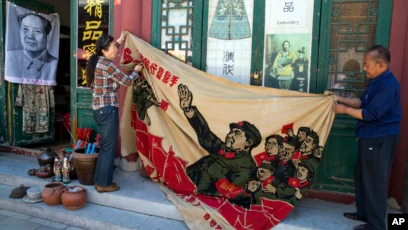
In 1981, the Communist Party of China passed a historical resolution that made a negative assessment of the Cultural Revolution, while retaining Mao Zedong's political status as the core figure of the Chinese government.
In 2026, Mao’s portraits, monuments and political symbols remain at the heart of the official narrative.
The way a regime tells its catastrophic history also shows how much responsibility it is willing to accept.
Two memories that do not have the same public space
For some memorials, Mao represents political establishment, nationalism and national power; for victims of the Cultural Revolution and families, Mao means political persecution, personality worship, family rupture and long-term trauma.
Why Xi Jinping's personal experience is worth observing
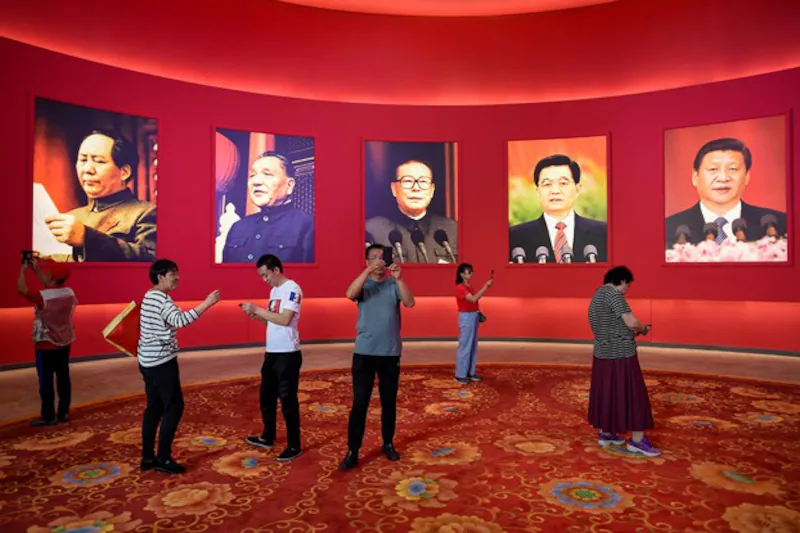
Xi Jinping's father, Xi Jinping, was politically cleansed, and the young Xi Jinping also experienced political shock and was sent to the countryside of Shaanxi.But after Xi Jinping took power, he did not push for a more thorough institutional reflection of the Mao era, but instead further strengthened the party's leadership, ideological discipline and the personal authority of the highest leader.
The real question is not “is it equivalent to cultural revolution today?”
There are huge differences between China and the Maoist era today in economic, social and national governance structures, and it is not strict, and it is even more questionable: Does political power have enough institutional constraints? Can historical disasters be publicly studied? Can victims speak freely? Can society discuss the responsibilities of the highest leader?
The meaning of the 50th anniversary is not just to commemorate a person’s death, but to test whether a political system allows society to remember the disasters initiated by the supreme power.
Article discussion
Verified members can discuss this report publicly and manage their own content.
Checking member sign-in status…