
A national security review that could have affected U.S.-China innovation drug cooperation is emerging with narrower regulatory boundaries. Reuters quoted informed sources on September 18 reporting that the U.S. Treasury Department was drafting rules to consider allowing U.S. pharmaceutical companies to continue to conduct most licensing transactions with Chinese drug developers, focusing restrictions on high-risk areas such as pathogens and biotechnology that could be armed.
原始来源 · reuters.comUS weighs allowing most pharma licensing deals with China, sources say路透社9月18日报道美国政府正在研究中国生物医药授权交易的国家安全监管边界。reuters.com ↗This is not a small market. Reuters that the total value of licensing transactions involving Chinese biotech companies reached approximately $115 billion in 2025, and that half of the drugs imported by U.S. pharmaceutical companies from overseas in the year involved Chinese enterprises.
Therefore, the core of the controversy is not simply “co-operation or disconnection.” Large pharmaceutical companies believe that widespread restrictions on Chinese drug licenses will cut off clinically potential R&D outcomes and may weaken the competitive position of U.S. companies in global drug development. Some U.S. lawmakers and biotech companies have advocated increased censorship, fearing that the U.S. pharmaceutical industry becomes dependent on China’s R&D pipeline and sees biotech capabilities as part of a long-term strategic competition.
If the Treasury Department eventually adopts a narrower framework, the regulatory logic will be closer to classifying by specific technical risks, rather than by nationals.Patogenic research, weaponized technologies, and sensitive biodata may face more restrictions, and drug licensing such as general cancer, metabolic diseases may continue to retain commercial channels.
In recent years, China's innovative pharmaceutical industry has rapidly expanded overseas licensing, behind both research and development efficiency and cost advantages, and the reality of enterprises looking for overseas cash flow after domestic financing environment changes.U.S. pharmaceutical companies are faced with pressure such as patent expiration, research and development failure rate and insufficient new drug pipeline, which forms a different interdependence with the chip industry.
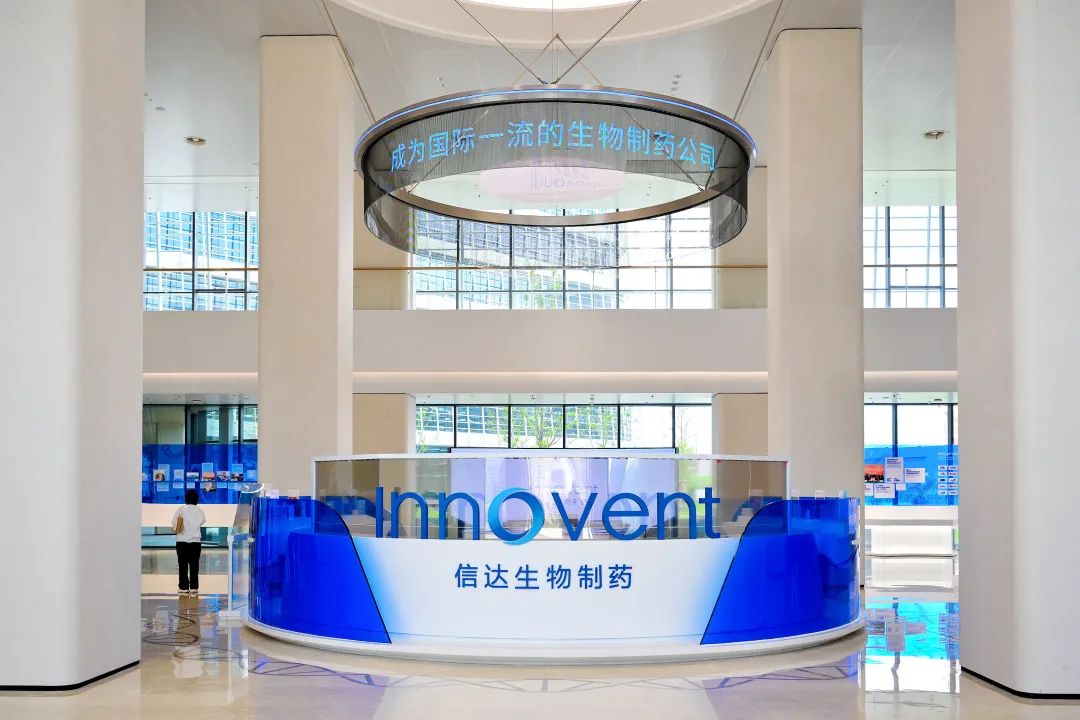
This also makes biomedicine a more difficult field in China-US technology competition to handle with a single "disconnected" framework. Excessive restriction may hinder patients' access to new drugs and multinational R&D cooperation, restrict too narrow and may leave real biosecurity gaps. How the rules ultimately line up will directly affect China's innovative drug offshore valuation, U.S. pharmaceutical pipeline layout and global biotech capital flows.
Article discussion
Verified members can discuss this report publicly and manage their own content.
Checking member sign-in status…