
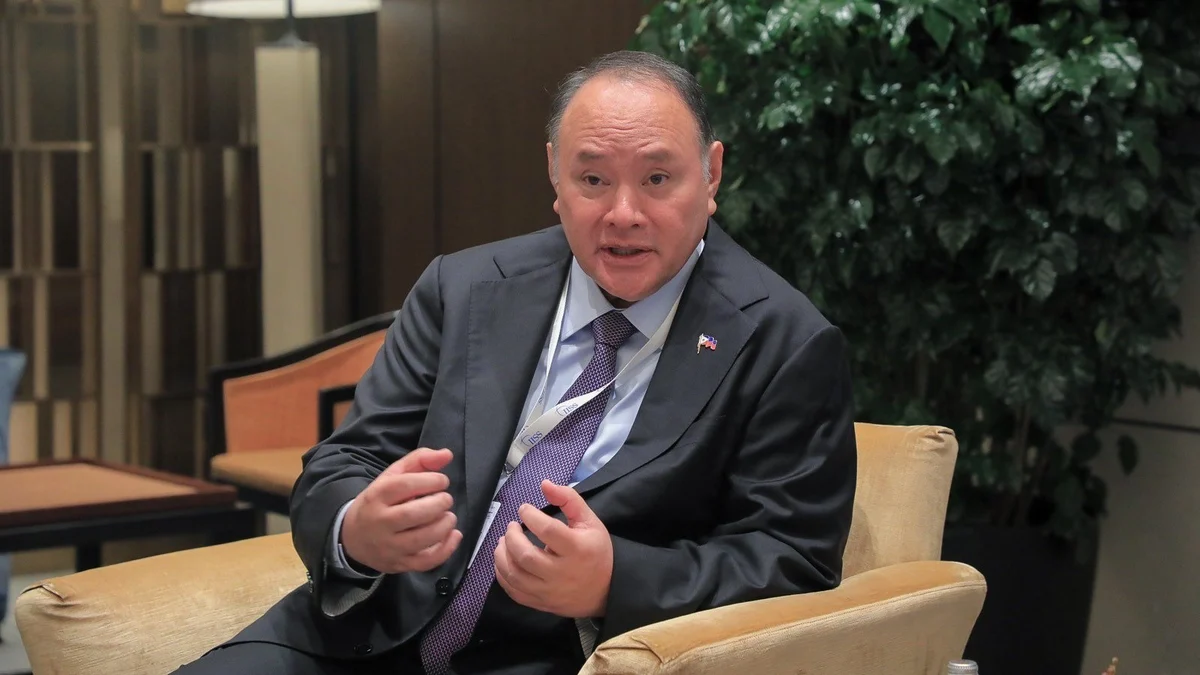
, the Philippine Secretary of Defense Gilbert Teodoro said during the Seoul Defence Dialogue on 7 September that China might consider the recent reduction of the United States-South Korea coalition as an opportunity to re-enact in the Indo-Pacific region. At the same time, however, he stated that the United States had given the Philippines a clear assurance that the commitments under the United States-Fédération Common Defence Treaty had not changed.
Teodoro made the above statement in an interview with Reuters. He said that military activities between the United States and the United States had not diminished and that bilateral and multilateral security cooperation between the Philippines and the United States and other partners was expanding. In response to the question whether Beijing could take advantage of the space created by the US-Korean restructuring, he said that “it was a possibility” and that “China would soon take advantage of the gap”.
and to trigger discussions in the Asian security community about the credibility of United States deterrence. Reuters reported that Trump had attributed this decision in part to Seoul ' s refusal to provide assistance in the Iranian war and that the military act in question had sent the wrong signal to the DPRK.
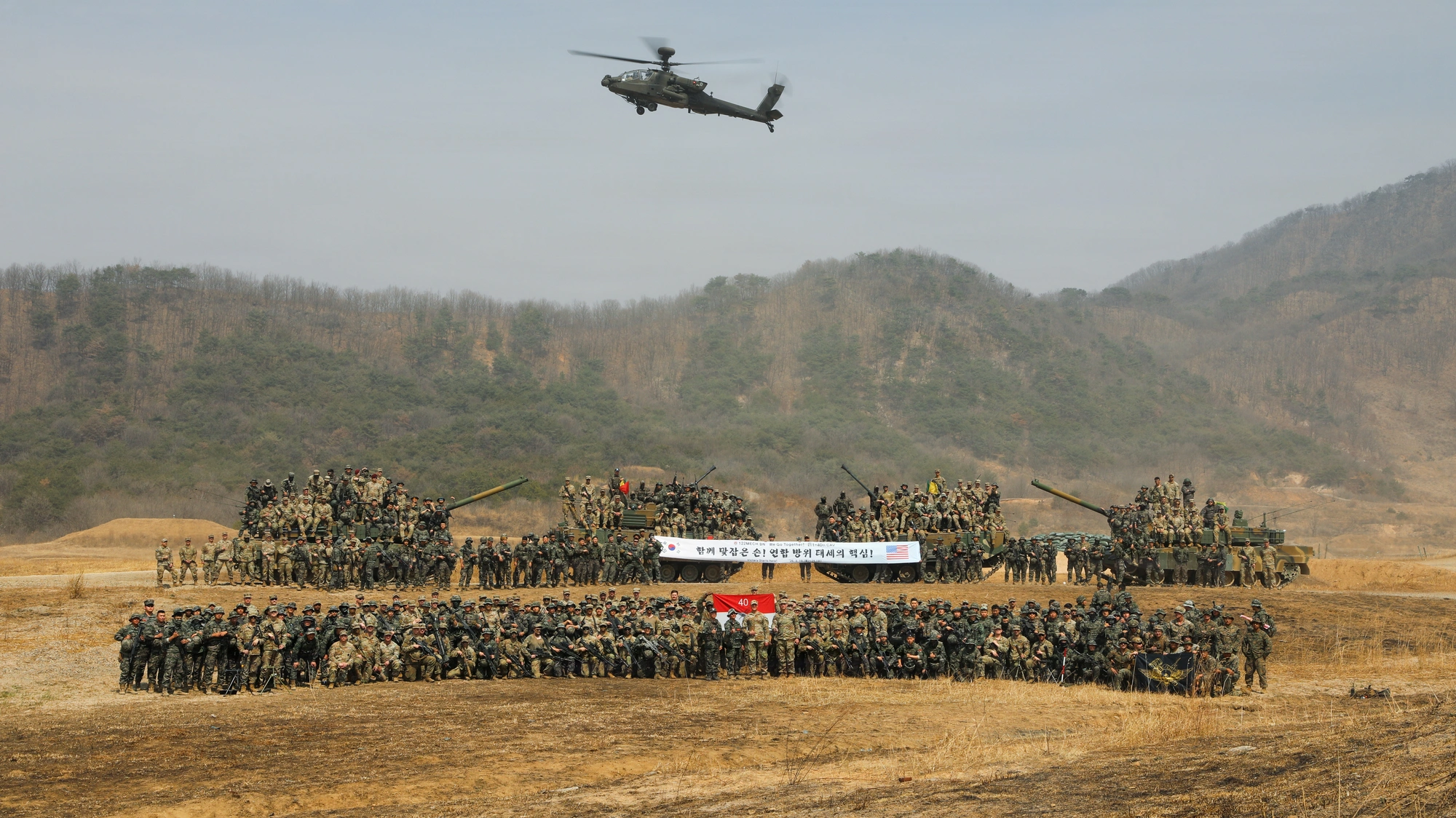
Teodoro stressed that the Philippines had received “unequivocal assurances” from Washington, and that there was no indication that the US-Korean restructuring would affect the United States commitment to the Philippines' common defence. The United States-Feforth Common Defence Treaty has long been seen as an important external support for the Philippines in the face of security pressures in the South China Sea.
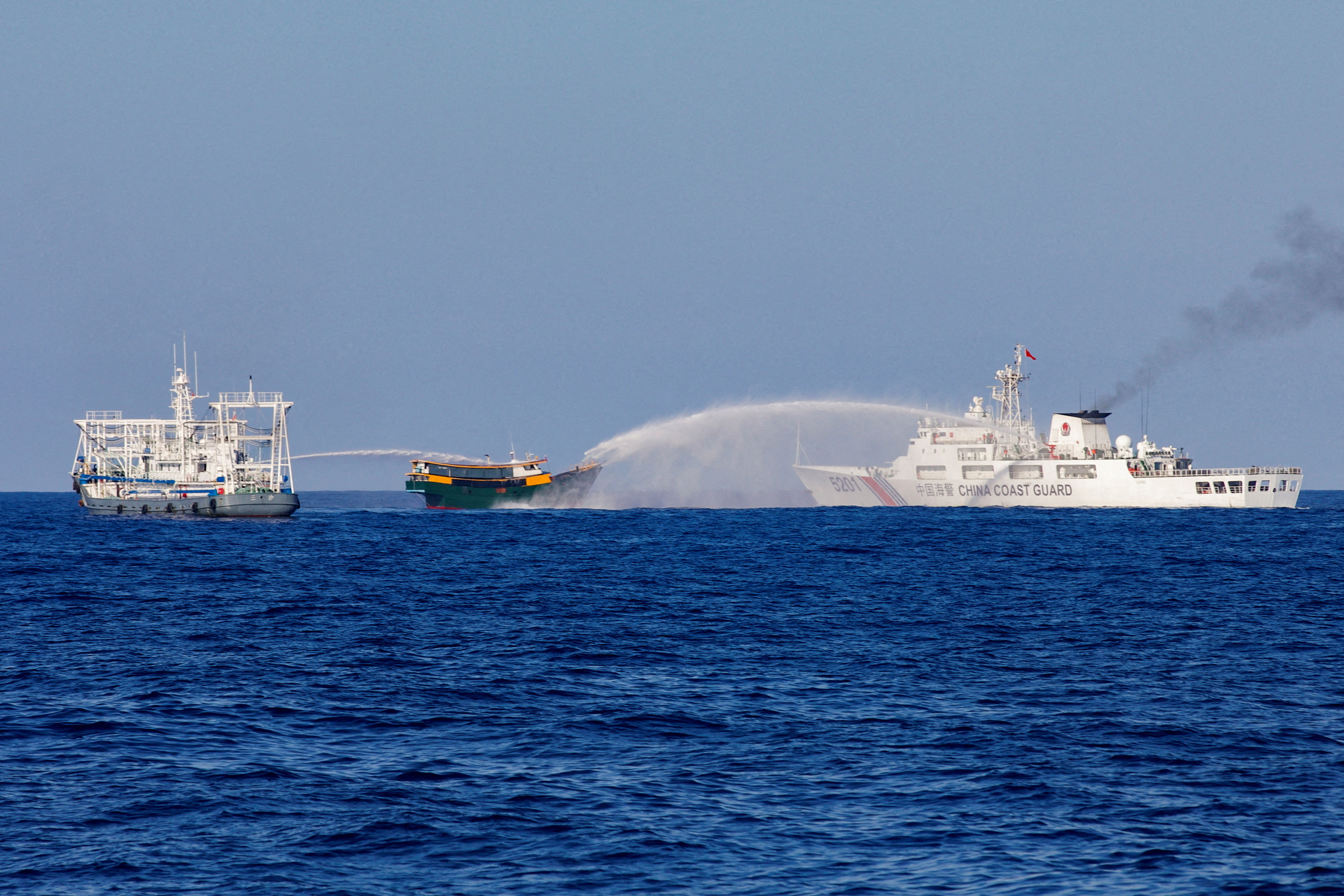
Within the presidency of President Marcos Jr., the Philippines has significantly deepened its defence cooperation with the United States, including expanding joint exercises, increasing the access of the United States military to the Philippine military base and more frequently openly challenging Chinese naval police and maritime militia operations on tensions in the South China Sea.
Teodoro also stated that the Philippines was expanding its relations with other security partners. He indicated that the Philippines had recently concluded agreements with Canada and New Zealand, signed a visiting force agreement with France and was negotiating similar arrangements with the United Kingdom. This shows that Manila is trying to transform the pressure from the South China Sea into a broader Indo-Pacific safety network.
In addition to military pressure, Teodoro accused China of increasingly using influence. He claims that China has taken advantage of the open space of a democratic society to expand “distorting narratives” through personnel absorption, media environment and narrative dissemination. He also indicated that the Philippines was promoting stronger anti-spy and foreign influence-related legislation to address such risks.
Teodoro was cautious about the possible progress that President Marcos Jr. had mentioned earlier on the issue of co-optability of hydrocarbons. He said that, in the context of the long-standing sovereignty dispute over the South China Sea, it was difficult to believe that economic cooperation could be completely isolated from the security and sovereignty dispute.
In its response of 7 September, the spokesman for the Chinese Foreign Ministry, Maui Ning, stated that China “has always been committed to maintaining peace and stability in the Asia-Pacific region and opposed the establishment of confrontations among the major Powers” and expressed the hope that the countries concerned would play an active role in the peaceful stabilization of the region. The Beijing side has long denied that its actions in the South China Sea constitute coercion and has advocated the resolution of disputes through bilateral channels.
. Korea is one of the main suppliers of arms to the Philippines, and has provided the Philippines with FA-50 light warplanes, frigates and other equipment. The Philippines stated that it would like to strengthen its cooperation with Korea in the field of defence industry and emerging defence technologies.
However, with regard to the long-under discussion of the Philippine submarine procurement plan, Teodoro indicated that the project was still under review and still some time from implementation. He mentioned that building the capacity of submarines involved not only procurement per se but also mission needs, infrastructure and logistics security systems.
This statement reflects the Philippines ' double anxiety about regional security changes: on the one hand, Manila still relies on the United States defence commitment to balance Chinese pressure; On the other hand, it is concerned that any adjustment to the United States military presence in North-East Asia could be interpreted by Beijing as a gap in regional deterrence. For the Philippines, the dispute over the South China Sea is no longer a bilateral sea friction but is integrated into a larger Indian-Pacific security landscape.
Article discussion
Verified members can discuss this report publicly and manage their own content.
Checking member sign-in status…