
The Shenzhen middle-level people's court on August 20 issued a first-instance judgment on the Hengda Group, Hengda Real Estate and Household Signature case.Hengda was sentenced to life imprisonment for several economic crimes, deprived of political rights for life and confiscated all personal property; Hengda Group was fined with 88.2 billion yuan, Hengda Real Estate was fined with 7 billion yuan.Reported by ReutersHe has previously pleaded guilty to eight charges, including misuse of funds, fundraising fraud, illegal absorption of public deposits, irregular lending, fraudulent issuance of securities and bribery.
原始来源 · reuters.comReuters:恒大创办人许家印被判无期徒刑reuters.com ↗From the richest in Asia to life imprisonment, criminal sentences have not ended the Hangzhou crisis
The court saidIn particular, the amount of Hengda Group, Hengda real estate and Hengda imprint cases is large, the circumstances are bad, causing significant economic losses and social harm, so the law is strictly punished.
原始来源 · apnews.comAP:许家印无期徒刑与恒大金融犯罪案apnews.com ↗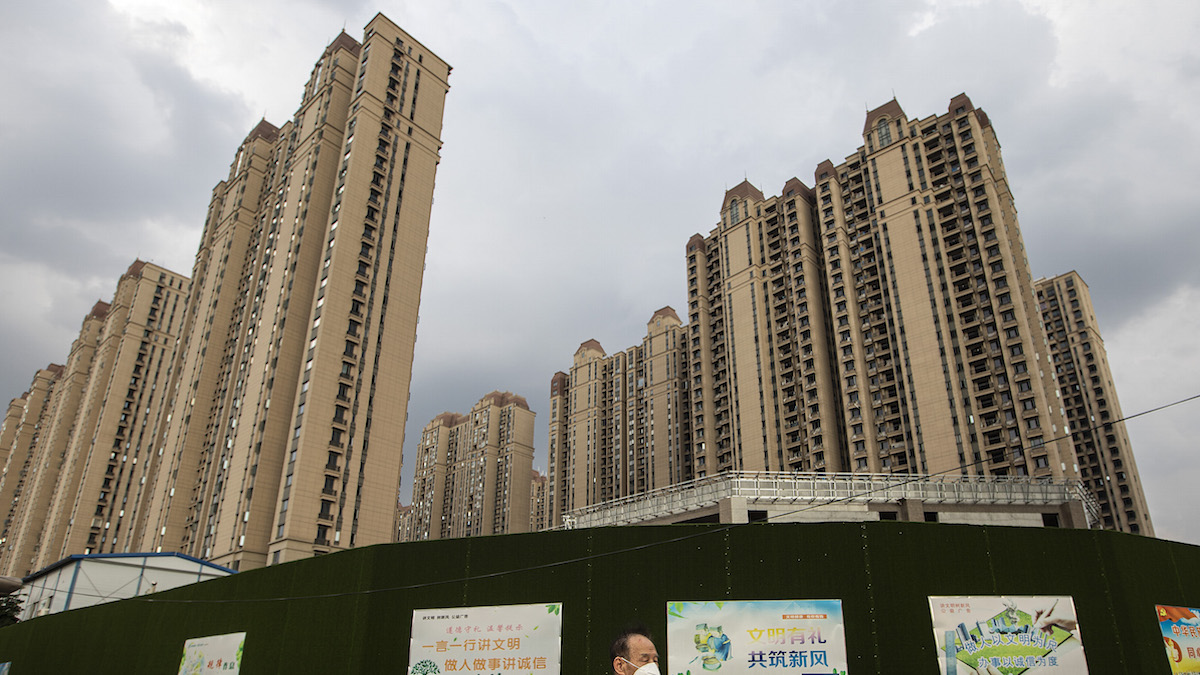
But the most realistic question for Hengda’s creditors, home buyers and financial product investors remains how to recover the losses.Hengda has defaulted on most of its debts of approximately $300 billion since 2021, and the Hong Kong court has ordered liquidation in 2024.As by Reuters.The liquidator said that the existing assets were only about $2.5 billion, while the total amount of claims for creditors was about $45 billion.
The imprisonment is not equivalent to automatic liquidation of creditors.There is still a complex legal and enforcement link between criminal confiscation, domestic disposal of assets, Hong Kong liquidation and overseas asset pursuit.
* Ordinary home buyers and investors were directly responsible for the collapse of Hengda.
After the Hangzhou crisis broke out, several land projects were stopped, and families who bought futures houses faced pressure from housing loans and the inability to deliver housing; the Hangzhou financial product exchange crisis has also prompted investors to defend the rights of companies and government departments.Reuters in the judgment.A quote from owners and investors said that “the average people have paid the price.”
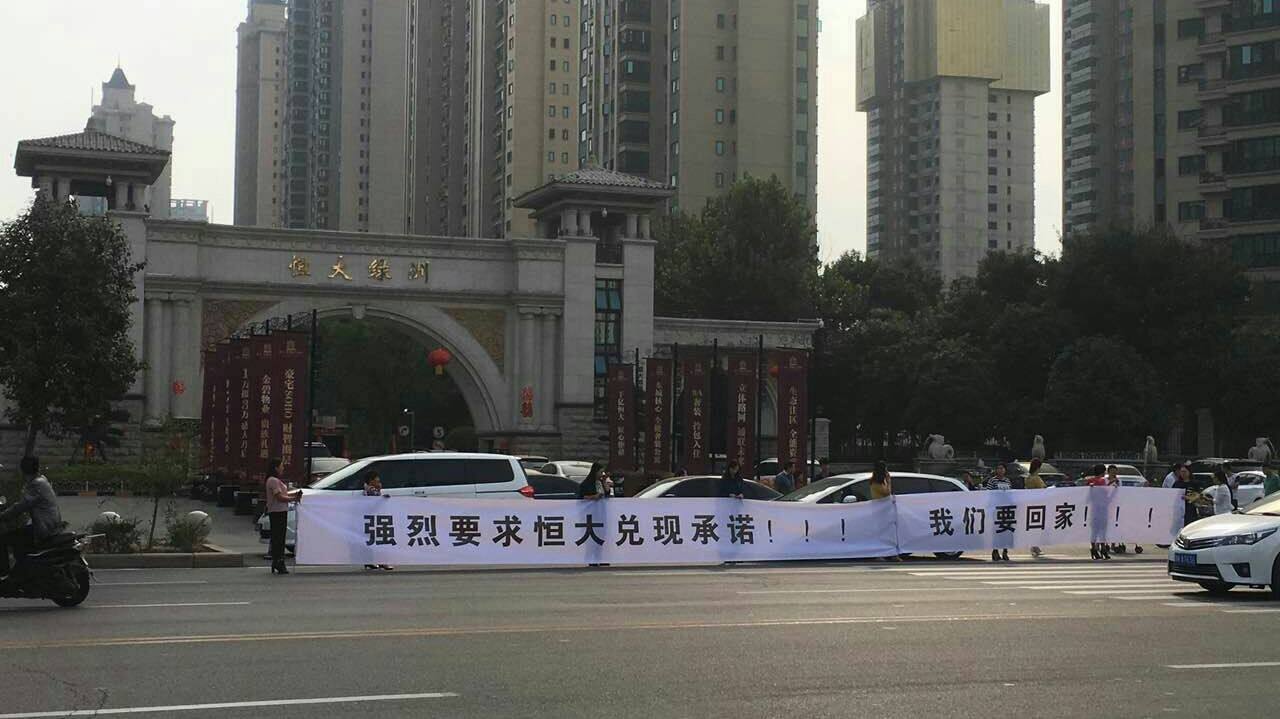
This social cost is not a result of merely business failure. Long-term reliance on high leverage, pre-sale funding and radical expansion has rapidly expanded in the local land finance, financial institutions lending and real estate growth environment. After regulations tightened developer financing in 2020, the original model has rapidly lost support, and the crisis has then spread to the entire real estate industry.
Heavy penalties can punish individuals, but can not replace the system restructuring of supervisory responsibility
The court ruled to focus on the criminal responsibilities of home and corporate executives, but Hengda was able to massively increase income, issue bonds and continuously obtain funding over the years, and also involved auditing, securities supervision, financial institutions wind control, local government land and project supervision and other aspects. In 2024, the China Securities and Exchange Commission had determined Hengda real estate income and implemented a lifetime securities market embargo on Hengda; Hengda China was also punished for Hengda audit issues.
Hong Kong officials are still searching.The company printed about $6 billion in dividends and remuneration earned by other former executives, and filed massive claims against the PwC system. Therefore, the chain of HONDA’s legal liability is far from ending with the imprisonment: criminal verdicts are just one of them, and claim recovery, audit responsibility, regulatory responsibility and cross-border disposal of assets will continue for years.
Focus on China’s observation: Reducing the crisis to a “bad boss” can’t explain why Hangzhou could expand to such a scale.
The court has also issued a first-instance judgment, with clear judicial records of personal responsibilities. But Hongda has developed from the seat of the local government, capital market stars and "China's largest housing company" to a $300 billion debt crisis, and it has not formed overnight. It has grown in a long-term institutional environment where China's real estate and local finances are highly bound, financial resources rely on administrative allocation and insufficient regulatory transparency.
Under a highly centralized governance structure, policies can quickly enlarge an industry, and can also be tightened quickly after exposure to risk. If the ultimate accountability remains only with entrepreneurs and a handful of executives, without publicly stating how local regulation, financial lending, audit failures and policy incentives jointly shape risks, the harsh punishment can only complete individual punishment and can not complete the responsibility in the sense of public governance. The institutional lesson that the Hong Kong case really needs to leave is to make housing, finance and public interests no longer rely on untransparent business relations and high leverage growth models.
Article discussion
Verified members can discuss this report publicly and manage their own content.
Checking member sign-in status…