

Around the life line of Hormuz, he attacked himself first.
In September 2026, the Persian Gulf Energy Crisis saw a more dangerous turning point: Saudi Arabia's oil pipeline, which was originally used to circumvent the Strait of Hormuz, was continuously attacked, and the Saudi Ministry of Energy announced a preventive shutdown of the pipeline and assessed damage. Meanwhile, Yemen's Houthi armed forces rapidly advanced along the coast of the Red Sea, capturing the port of Moka and entering the strategic island of the Strait of Mandeville, Mayun (Perim).
This means that global energy transport is facing no more than a strangle in the throat, but an alternative route that Saudi Arabia has established to escape the danger of Hormuz, and is also exposed to the double threat of land drone attacks and military control on the southern edge of the Red Sea.
Saudi officials that the oil pipeline had been attacked several times in Riyadh and Medina, injuring staff as a security measure, the pipeline was shut down. Reuters and other media that the attack was allegedly linked to an Iranian-backed armed network from Iraq and that an investigation was launched.
原始来源 · spa.gov.sa沙特能源部:东西输油管道遭多次袭击后关闭沙特通讯社发布的能源部官方通报。spa.gov.sa ↗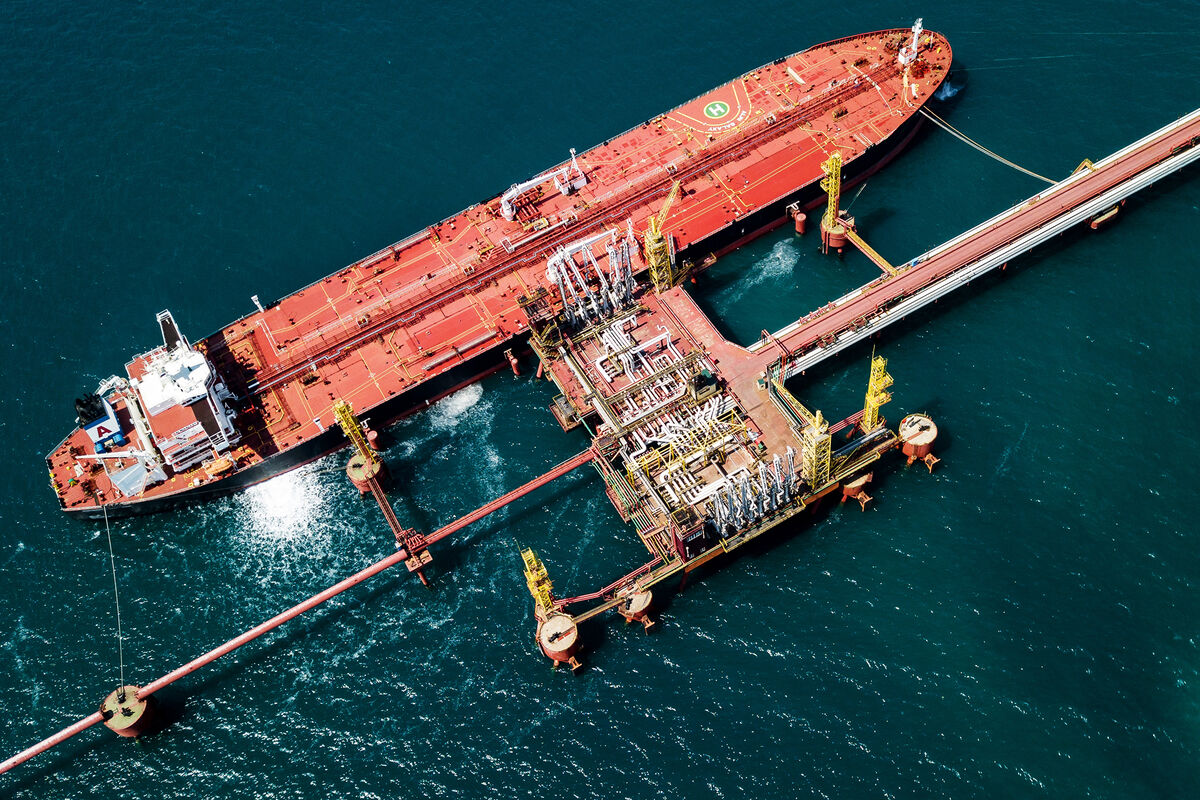
A strategic pipeline built to circumvent the war’s throat is now itself a target of war; and its exports to the Red Sea are faced with the advance of the Houthi armed forces in the direction of the Strait of Mandeville.
Strategic circumference line of 1,200 kilometers: why this pipeline is so crucial
The Saudi East Pipeline connects the main oil production area in the east with the Yanbu export system along the Red Sea, with a total length of about 1,200 km. Its greatest strategic value has ever been not only the efficiency of transport, but also the ability of Saudi crude oil to enter the international market from the Red Sea when war, blockade or serious security crisis occurs in the Strait of Hormuz.
Saudi Aramco’s own data shows that Yanbu has large oil storage and offshore loading facilities.The Yanbu South Terminal, which was launched in 2018, has added 3 million barrels of daily export capacity to the West Coast. Saudi Aramco’s 2025 port data also shows that Yanbu North Crude Terminal has several large tankers that can serve super-large tankers.
原始来源 · aramco.comSaudi Aramco: Yanbu South Terminal export capacity沙特阿美关于Yanbu South Terminal及西海岸原油出口能力的官方资料。aramco.com ↗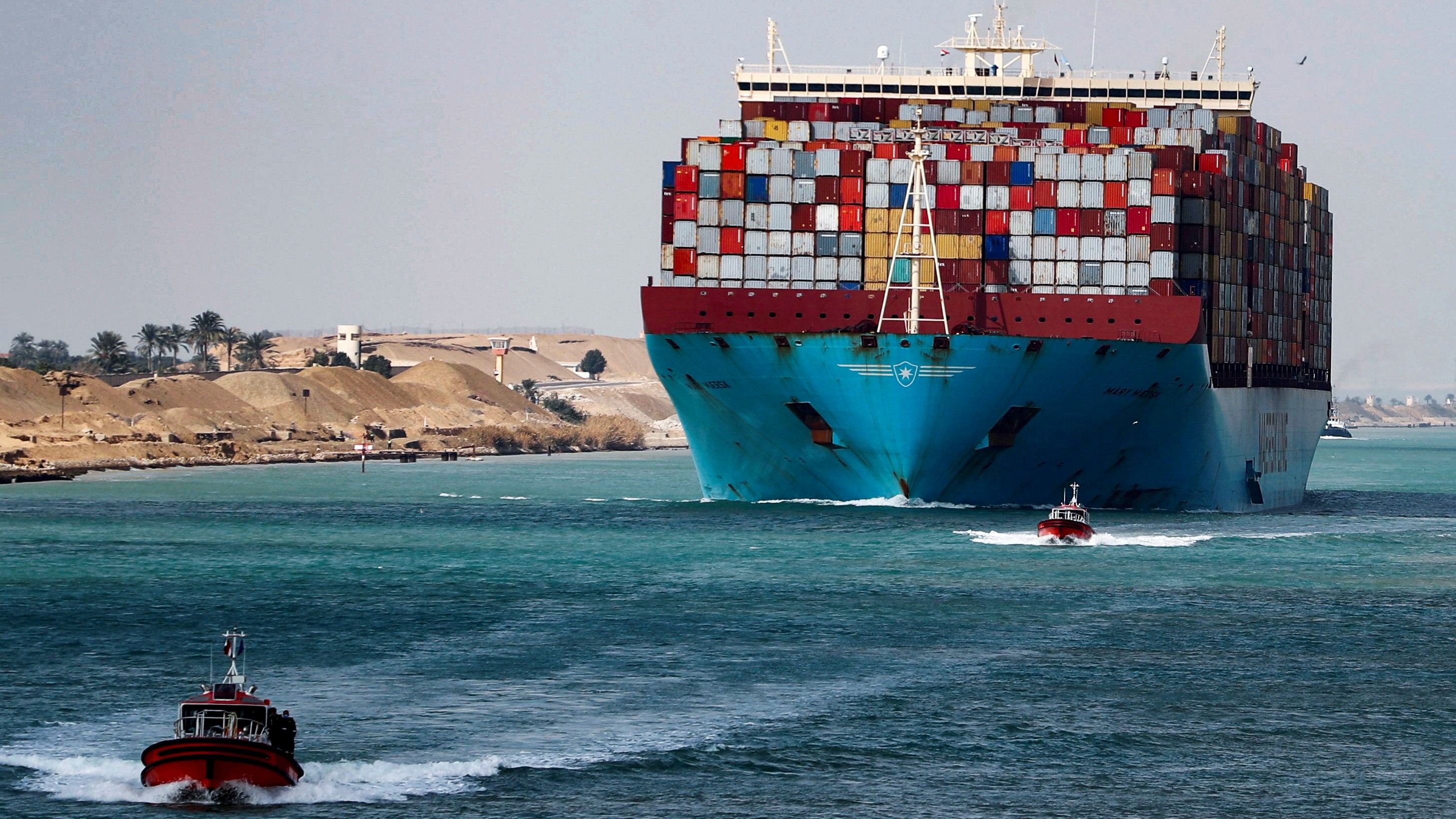
Since this year, the backup system has turned from “strategic insurance” to a real life line. After Holmes shipping was severely blocked, Saudi Arabia has significantly increased the amount of crude oil shipped through the Eastern pipeline to Yanbu. Reuters, citing ship tracking data on September 10, said that Holmes single-day merchant ship traffic has fallen to a single-digit, while Yanbu crude oil and condensed oil loads have rebounded significantly in early September.
原始来源 · reuters.comHormuz shipping traffic in single digits, data shows路透社基于船舶追踪数据报道霍尔木兹通行和Yanbu装载变化。reuters.com ↗That is to say, the attackers did not hit an ordinary pipeline, but a core strategic backup of Saudi Arabia’s ability to maintain global export capabilities during the Holmes crisis.
First lock: The Strait of Hormuz has made Persian Gulf’s energy exports highly vulnerable
The Strait of Hormuz, which connects the Persian Gulf with the Gulf of Oman, is the core channel for the energy export system of Saudi Arabia, Iran, Iraq, Kuwait, Qatar and the UAE. This year, the U.S. conflict escalated, and the route has long been highly militarized, with ships declining dramatically, and insurance, ship rental and security costs rising.
For Saudi Arabia, the Eastern pipeline has thus become one of the most important risks hedging tools: the crude oil in the eastern oil fields doesn’t have to pass through Hormuz, but can go directly west across the Arabian Peninsula to the Red Sea after reaching Yanbu.
But the design has an indelible geographical fact: to bypass Hormuz does not mean to bypass the Middle East war.
After the oil reached Yanbu, if the destination was Asia, it would still have to face the Mandalay Strait at the southern end of the Red Sea; and now the Houthis are expanding their military presence there.
Second lock: Houthi pushed to the Strait of Mandeville, and the safety valve on the Exit of the Red Sea was tightened.
AP on September 12 that Houthi armed forces have further controlled Mayun Island after seizing the port of Moka in the Red Sea in Yemen.The island is located near the middle of the Strait of Mandeville, and its geographical location directly affects shipping between the Red Sea and the Gulf of Aden.
原始来源 · apnews.comThe Houthi advance in Yemen raises concerns about a key shipping choke point美联社关于胡塞夺取战略岛屿及曼德海峡航运风险的现场与分析报道。apnews.com ↗It connects the Indian Ocean-Aden Bay route with the Red Sea-Suez Canal and is one of the most important maritime trade nodes between Asia and Europe. In recent years, Houthi attacks on ships have forced a large number of merchant ships to circumnavigate the Horn of Good Hope in Africa.
The Red Sea shipping has declined significantly before the crisis, AP notes, while the Houthi side claims that its military operations have specific targets and maintain pressure on Saudi ships.
This formed a very dangerous strategic blow: Iranian military pressure in the direction of Hormuz, Saudi Arabia’s cross-territorial alternative oil pipeline was attacked, and the expansion of Houthi control in the Red Sea south.
From armed in Iraq to Houthis: Iranian agency networks are turning geographical advantage into energy leverage
The pipe attack was most valuable to track, not only where the drone took off, but who could get strategic benefits from it.
The current open clue points the chain of responsibility to several nodes that must continue to be tracked:
- Attack network: who planned and provided drone, target coordinates and intelligence support;
- Iraqi armed forces: whether the sources of the attacks disclosed by Saudi Arabia and the media correspond to specific Shiite armed groups, their commanders, funds, and weapons sources;
- Iranian Revolutionary Guards and regional agency system: drone technology, training and strategic coordination are passed along existing agency networks;
- Houthi armed forces: how their advancement of Red Sea ports, islands and shipping nodes forms a strategic response to the pressure on Saudi energy infrastructure;
- Saudi security system: Why a key pipeline carrying a national energy security backup function can be continuously attacked, emergency warnings, air defense and segregation is sufficient to cope with dr
What really needs to be uncovered is a network of warfare spanning Iraq, Iran, Yemen, Saudi Arabia and the two Great Strips. If every drone bombing is considered an isolated event, you miss the structural changes that are taking place in this conflict: energy infrastructure itself has become a weapon to change the codes of regional political negotiations.
Tankers can circumvent, but the world will pay for each circumvention.
If the risk of the Mandalay Strait continues to rise, tankers travelling from Yanbu to Asia can choose to go north into the Suez Canal, cross the Mediterranean and Gibraltar, and then bypass the Good Hope Corner of Africa to return to the Indian Ocean, but this means longer journeys, higher fuel costs, more tense tankers and more expensive war insurance.
For Europe, the Red Sea – Suez is a natural shortcut; for Asian buyers, Saudi crude oil should have a clear geographical advantage. When Holmes, the East pipeline and the Strait become risk nodes at the same time, the increased cost will not end up in the Saudi Army or shipping companies, but will be conducted along diesel, aviation fuel, chemicals, transportation and manufacturing prices.
Recently, international oil prices have rebounded above $100 per barrel.The real fear of the market is not that a few tankers will be missing one day, but that the Middle East energy system is losing its “reserve routes” on which it relied in the past.
Saudi Arabia’s strategic trouble: One pipeline can’t escape the entire regional war
For decades, Saudi Arabia has invested heavily in the construction of oil pipelines, the Yanbu storage system and Red Sea export facilities, and its strategic logic is very clear: it cannot allow the Strait of Hormuz to be the only switch to control the Saudi economy.
This logic was established, but drones, cruise missiles, agent weapons and low-cost precision strikes are changing the rules. Today, attackers don’t really need to block 1,200 km of pipelines, they just need to continue to attack pump stations, control facilities or key nodes to force operators to shut down the entire system for safety.
Hussein’s advance in the direction of the Strait of Mandeville further demonstrates that land pipelines can circumvent a strait but can’t separate export ports from geopolitics.
This is also the question that Saudi Arabia must answer: has the energy security model that relied on “back-line” in the past failed at a time when a cheap drone could threaten billions of dollars in energy facilities?
Global energy security is being hijacked by a chain of responsibility.
The crisis can’t ultimately be summarized with “rising oil prices” alone, and it’s a new type of security crisis behind armed agency systems, national energy infrastructure, international shipping, and war of the great powers.
From the attack on the Saudi pipeline, to the Hussein seizure of the strategic island of the Strait of Mandeville, to the sharp decline in the Holmes Passage, three seemingly decentralized events have been linked into one line: Any party can turn regional military capabilities into global economic pressures as long as it can threaten the two nodes.
What has to be followed up is not only when Saudi Arabia restarts the pipeline, but also when it attacks the debris and source of the drone, the findings of Iraqi investigations, the relevant armed organizations’ command chain, Saudi air defense deployments, the construction of Houthi military facilities on Mayun Island, and whether the Red Sea merchant ships and tankers are back on a large scale.
If Hormuz was the energy front door of the Persian Gulf, Yanbu was designed as the back door; now the rear door of the oil pipeline is attacked and the export pipeline is pushed by armed forces.The global energy market is facing no longer a single failure, but a stress test on the entire alternative transport system.
Article discussion
Verified members can discuss this report publicly and manage their own content.
Checking member sign-in status…