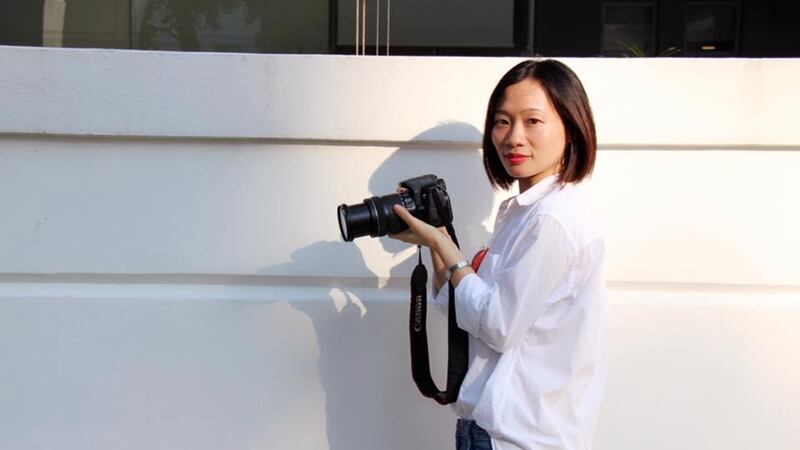
The independent Chinese journalist #MeToo Movement participant, Huang Shuqin, was released on or about 18 September after serving his five-year sentence. The Guardian of England reported his release on 21 September. However, she did not restore her complete freedom as a result: the four years of deprivation of political rights attached to the 2024 judgement were still being enforced, meaning that the rights to press, public expression, association and exit continued to be restricted by law. Five years of imprisonment ended, and State control over her public life did not end simultaneously.
Yellowstone has been a long-standing investigative journalist, focusing on gender-based violence, sexual harassment in the workplace, pollution and social issues. From 2017 to 2018, she investigated sexual harassment of women journalists in China and was one of the leading journalists in the popular discussion in China #MeToo. A journalist known for reporting on sexual harassment and public issues was later sentenced to five years for “inciting subversion of state power”, a crime that in itself reveals how China's national security system binds public expression to political security.
On 19 September 2021, Wang Jianjun, a labour activist, was taken away by the police in Guangzhou, preparing to study in England. was disclosed by, among others, Amnesty International, which was subsequently unable to communicate freely for a long time. The prosecution later incorporated into the system of charges the gathering of friends, participation in online courses on non-violence, and the publication and forwarding of elements that were considered sensitive by the authorities, leading to the case of “incitement to overthrow State power”.
On 14 June 2024, the Guangzhou Intermediate People ' s Court sentenced Huang Qing to five years ' imprisonment, deprivation of political rights for four years and confiscation of 100,000 yuan of personal property; The sentence was upheld by the Guangdong Provincial High People ' s Court in second instance. Wang Jiang was sentenced to three years and six months and completed his sentence in
- The key here is not whether the court has completed formal trial proceedings, but what is redefined as “subversive” by national security offences: meetings, discussions, online courses and public issues that express the possibility of the criminal and political meaning of ordinary civil society activities once they have entered the national security framework.
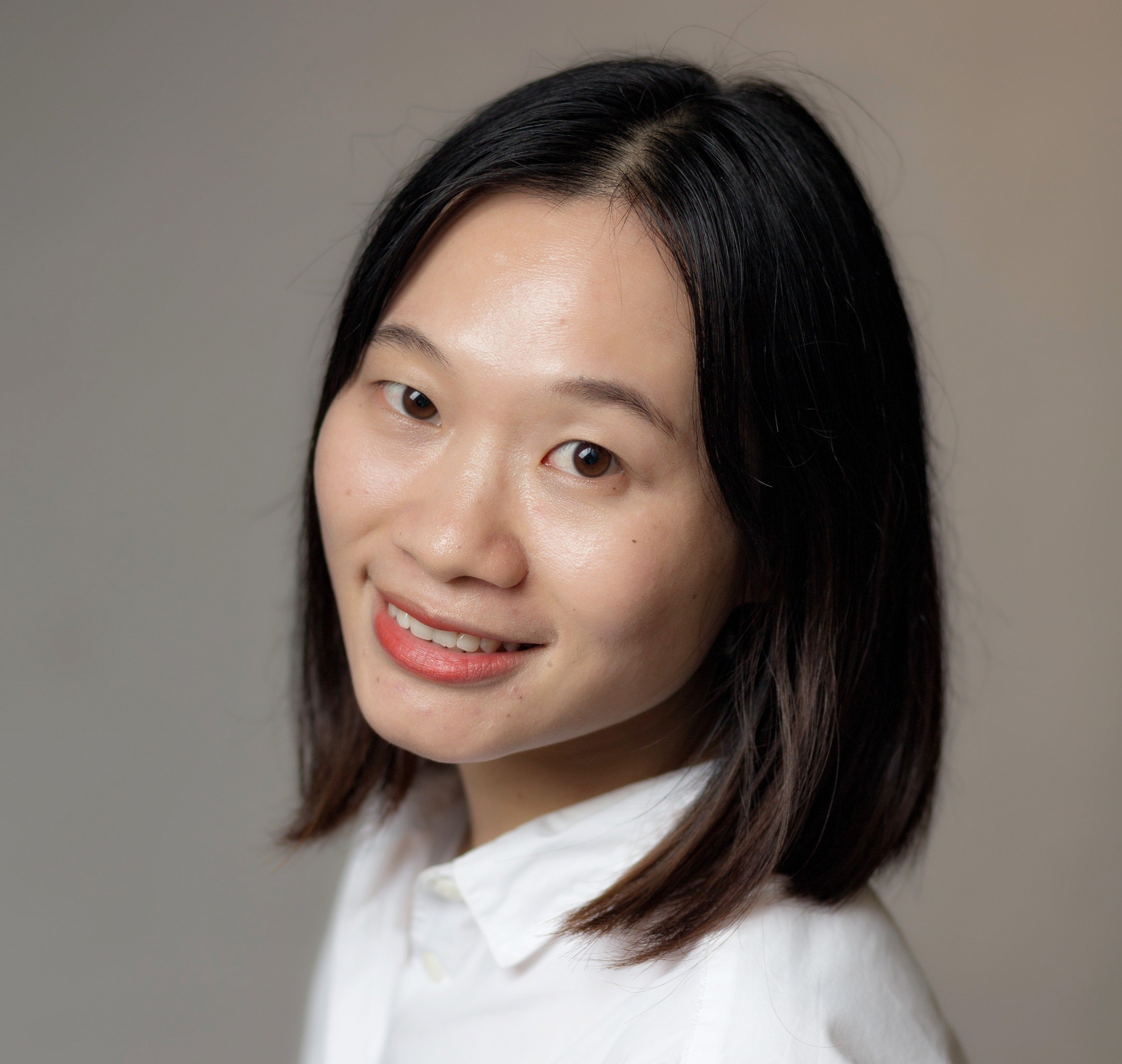
"As soon as she's finished,https://rsf.org/zh-hans/china-60-ngos-led-rsf-and-amnesty-international-demand-guarantees-journalist-sophia-huang-xueqin-s"target = _blank" rel = `nopener noreferrer' data-linked-reference= `true' data-reference-label = `Reporters Without Borders' >, a joint statement by 60 organizations, including Amnesty International, Reporters Without Borders, the Committee for the Protection of Journalists, concerned that yellow snow Qing remained under surveillance, harassment, communication and travel restrictions. This concern is not without real foundation: her four years of “deprivation of political rights” are part of the penalty, meaning that the State can continue to restrict the rights to vote, to speech, to publication, to assembly and to association by law after she leaves prison.
The case of the yellow snow qing also occurred in the same period as the contraction of the public space for the #MeToo movement in China. The latest topic of the Guardian, which states that reports of sexual harassment and feminist discussions that have been openly reported around 2018, have been forced to move to more subtle, small-scale forms of censorship, book closures and continuing pressure on activists. The trail of yellow snow gin from investigative journalists to the defendant in the national security case is one of the most symbolic cases of this contraction.
, the Committee for the Protection of Journalists noted </a" before the expiry of its sentence, that Qin was one of the representative cases of China in which hexavalan was imprisoned for activities on news and public issues. International organizations have also alleged that she was subjected to prolonged interrogations, sleep deprivations and other ill-treatment while under residential supervision and detention at designated residences, and have partially reported that she was placed on a “tiger bench”. The specific treatment required continued verification on the basis of additional source material, but prolonged isolation itself made independent verification extremely difficult.
The yellow snow qin has been released from prison, but the power structure left behind by the case has not ended. Public security arrests, prosecution by the Public Prosecution Service on national security charges, court sentences and prison execution, together with political rights restrictions after the completion of sentences, form a complete chain of State coercion. It sends a message not only to one journalist, but to all those who try to turn gender-based violence, labour rights, public discourse and civic associations into continuous social action.
Whether she can re-interview, write, use social media, communicate with institutions abroad, and travel freely will determine what “release” means. If a journalist must live under permanent surveillance and expression after five years of imprisonment, the sentence is transferred from within to outside control, not to a real restoration of rights.
Article discussion
Verified members can discuss this report publicly and manage their own content.
Checking member sign-in status…