
The Korean Biannual Festival in Guangzhou, originally a contemporary art event, has evolved into a diplomatic and cultural political wave because of the words “Taiwan House”. On 4 September, Associated Press reported that Chinese artists and the team announced their withdrawal from the 16th Guangzhou Bien-Yu Festival, as the host eventually resumed using the name “Taiwan Pavilion”. The Chinese Foreign Ministry then demanded that the Korean side adhere to the one-China principle by “acts of fact”. The Ministry of Culture of Taiwan, for its part, insisted that the original agreement was to be called the “Taiwan Museum”, which the host had previously changed to the “National Taiwan Gallery” as part of political interference.
This controversy is of real concern not only by name, but by Beijing's extension of the claim to Taiwan to international cultural space. In Chinese Government logic, as long as activities involve Taiwan, they are not just an artistic, academic or cultural issue, but must be subject to its definition of Taiwan's international identity. An exhibition, originally organized by non-governmental artistic institutions, was also called upon to assume the extended responsibility of the State ' s diplomatic commitments.
原始来源 · apnews.com美联社:中国艺术家因“台湾馆”名称退出光州双年展apnews.com ↗From the roll-out to sovereignty: why is Beijing so sensitive to a name
The Taiwan Museum is not uncommon in international art exhibitions, but Beijing has long opposed any designation that might be construed as Taiwan's independent state. The special feature of the bi-annual exhibition in Guangzhou was that the host changed its name to “National Taiwan Museum of Fine Arts Pavilion”, which was restored to “Taiwan Pavilion” after protests by the Taiwan side. The Chinese exhibit then announced its withdrawal, considering that the organizers had “political issues into the arts”.
The irony is that the Chinese exhibit accused “political entry into the arts”, but the whole thing was precisely because Beijing asked the artistic institutions to name Taiwan according to political boundaries.
This is not a simple linguistic controversy. The name determines what the subject is seen in and who has the right to define who. For Taiwan, the Taiwan House is a normal expression of cultural affiliation; For Beijing, this expression must be re-referenced as “Taiwan region of China”. When a country demands that the artistic institutions of a third country comply with this frame, cultural space is directly integrated into geopolitical management.
The symbolism of Guangzhou has made the conflict more acute
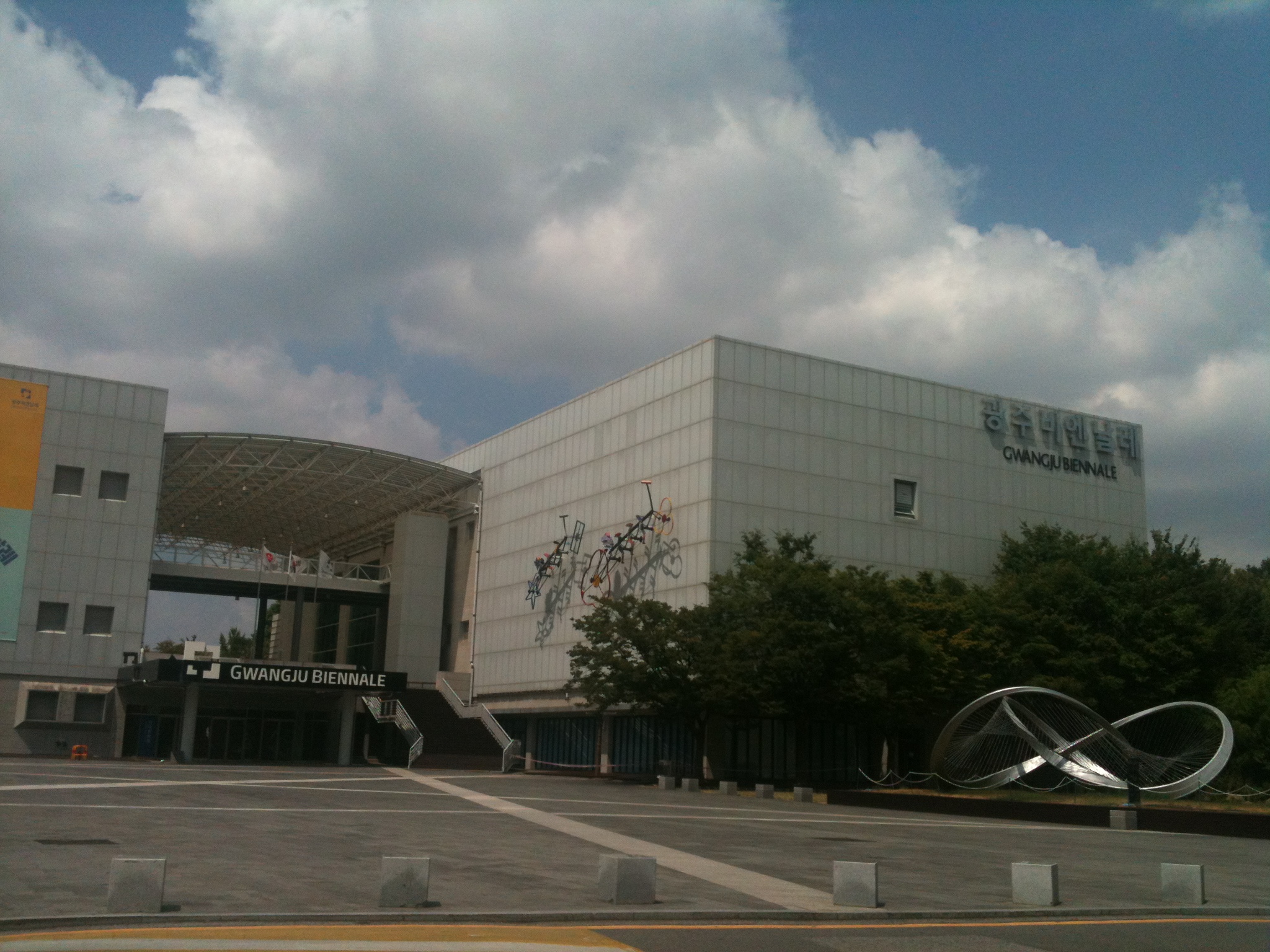
Gwangju is not a normal Korean city. It is closely linked to the Gwangju democratization movement of 1980, which has long regarded democracy, memory, human rights and public discourse as part of its cultural identity. That is why the controversy was particularly striking when the host changed the name of the Taiwan House due to external political pressure.
原始来源 · gwangjubiennale.org光州双年展基金会:关于Pavilion Project争议的声明gwangjubiennale.org ↗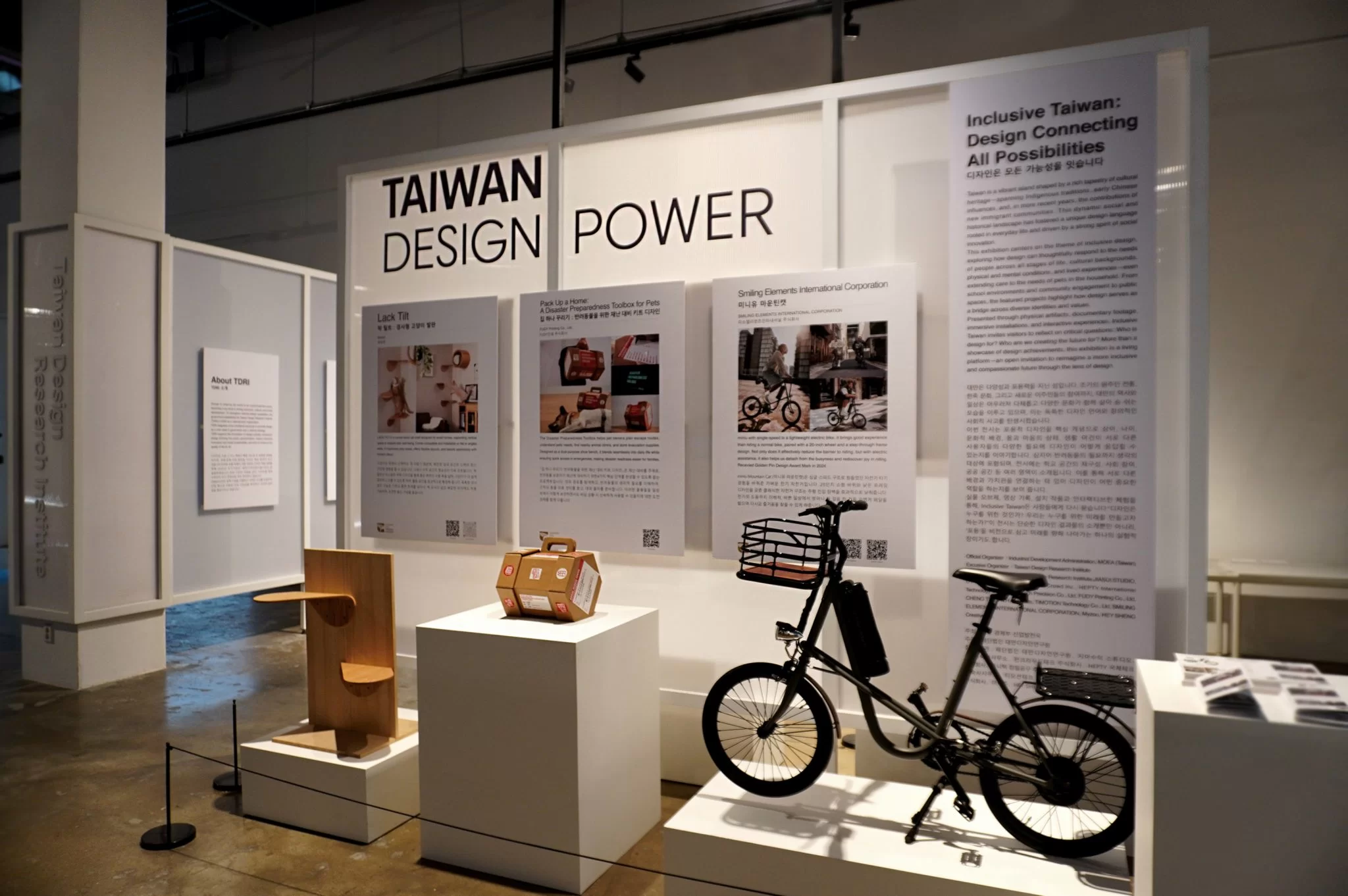
The Guangzhou Biannual Exhibition Foundation subsequently apologized for “disorder and disappointment” and stated that Pavilion Project was intended to facilitate exchanges between different countries, institutions and artists. Taiwan still appears in a separate name in the participating units listed on the official page. This means that the sponsors eventually chose to maintain the existing exhibition agreement but also paid the price of the Chinese exhibit's withdrawal.
Chinese cultural diplomacy is becoming more and more like "name law enforcement"
In the past, Beijing ' s compression of Taiwan ' s international space was concentrated mainly in diplomatic organizations, airlines, hotel websites, sports events and international bodies; Today, this pressure is deepening into art festivals, film festivals, academic conferences and local cultural events. Its core approach was not complex: the sponsors were asked to change the title, withdraw the flag, cancel the invitation or use the Chinese delegation ' s withdrawal as a pressure tool.
This has at least three consequences:
- Institution self-censorship: the organizers have introduced the pre-pre-Name Beijing to avoid losing the Chinese market, sponsorship or artist;
- Politicized cultural exchange: artists and pedagogues are forced to assume sovereignty disputes between Governments;
- Taiwan ' s visibility is being reduced: Taiwan must constantly seek the most basic name space, even if it participates as a cultural institution.
Exiting the exhibition is a protest and a political statement
The withdrawal of Chinese artists can certainly be considered as their freedom to express their positions, but when such action is highly consistent with the sovereign claims of the Chinese Ministry of Foreign Affairs, it is difficult to interpret it simply as a purely personal artistic decision. In recent years, China has increasingly emphasized the political boundaries of cultural workers on issues related to China, Hong Kong and China, and as a result, international artists and institutions have increasingly been increasingly faced with the choice of “to join the Chinese market or to adhere to the original expression”.
This wave shows that China ' s soft power output is facing an inherent contradiction. Beijing wants more involvement of Chinese artists in global cultural exchanges, but it also demands that they do not have any symbols that challenge their political narratives. Once cultural exchanges have to be properly screened politically, so-called soft power can easily become a rigid requirement.
Focus China believes that the bi-annual dispute in Guangzhou is important because it provides a very clear case: the CCP's desire to control Taiwan is not just beyond the military pressure in the Taiwan Strait, but also reflects who can participate in an art exhibition by what name. This is a much smaller, more daily, but equally political, international space competition.
If international cultural institutions continue to give in to Beijing ' s pressures, it will not be just the words on the table, but the international community as a whole will discuss Taiwan ' s linguistic borders. The ability of the institution to say “no” to political pressure depends on whether the artistic space remains independent. The renaming of the name of the “Taiwan Palace” this time in Kwangzhou, at least to make it clear that this pressure is not irresistible; The withdrawal of the Chinese delegation has also given the global cultural community a clearer picture of how far Beijing has pushed its political borders.
Article discussion
Verified members can discuss this report publicly and manage their own content.
Checking member sign-in status…