
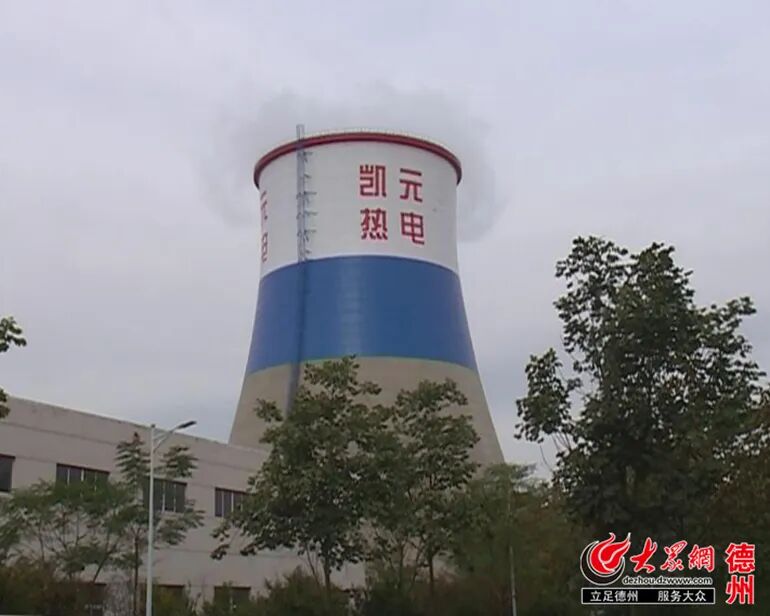
Listen to the government and get the worst. I'll tell you what, I'll tell you what, I'll tell you what, I'll tell you what, I'll do it with a private company in Shandong!
KEK is a private heating company in Texas. Under the policy of the Shandong provincial government to control coal consumption, it was designated as an “unsubstitute source of heat for the population” and then suddenly “stopped” by a change of government.
People don't fight officials. Kev won thermal power company was shut down, as the Government said. However, the compensation is provided in accordance with the regulations, the Government is slow to acknowledge and hand over its assets, such as the heating network, to the newly established territorial State for free.
Isn't that a robbery? The Central Orders and the various laws of the State, which have repeatedly emphasized the protection of private enterprises, have become a dead letter in Shandong State? I'm not going anywhere.
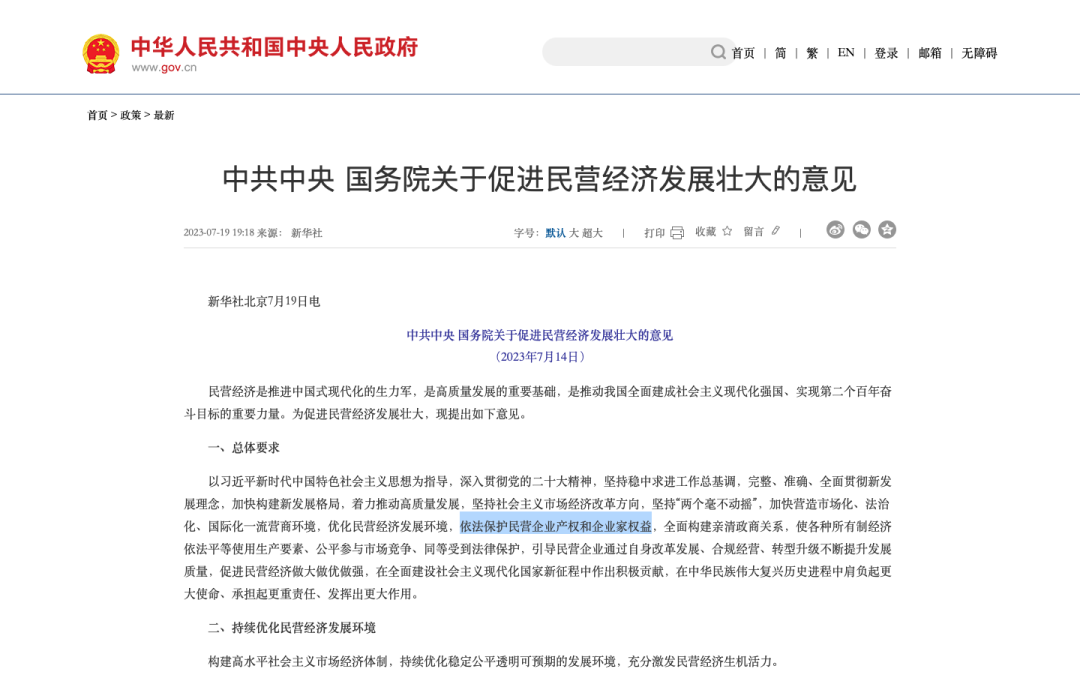
In a desperate manner, KIMZE has taken legal action and has informed the Texas Administrative Committee of the closure.
In the German District Court of Texas, the court decided to suspend the proceedings on the grounds that “the administrative dispute was properly handled in order to resolve it”, and orally informed that “it would not exceed 18 months”.
After the incident had provoked social controversy and media coverage, the District Court of Deutsche Towns in Deutsche decided in haste to dismiss the business claim. The reason is that the closure is self-closing.
Meaning that the business “suicide” shut down has nothing to do with the government ordering the lockdown by redheads?
Is this a ridiculous reason for dismissing a case judge?
KE won thermal electric company appealed against the judgement. At present, the court of second instance has not yet rendered its decision.
Interestingly, in its second-instance pleadings, the Administrative Commission of the AEZ stated that the Kaiser Thermal Power Company was “voluntary and cooperatively closed, and no forced closure”.
Is it mandatory for the government to suspend the civilisation? What if the company doesn't close? Does the government mean that we'll play the next "Close Notices" and you don't have to take it seriously?
"Really and falsely shut off the wind."
Reconcile this controversy, going back 15 years. According to media reports, in 2011, the Shandong private entrepreneur, Feng Cheng Cheng, invited the city government to solicit funding to recapitalize and acquire the heavily-deficit state-owned enterprise, the Keiwon Thermal Power Limited of Texas (hereinafter referred to as the Kae Won Thermal Power Company).
The KEK is located in the Texas Economic Technology Development Area, which is responsible for providing electricity and heating to the region and is the only hot source in the eastern half of Texas.
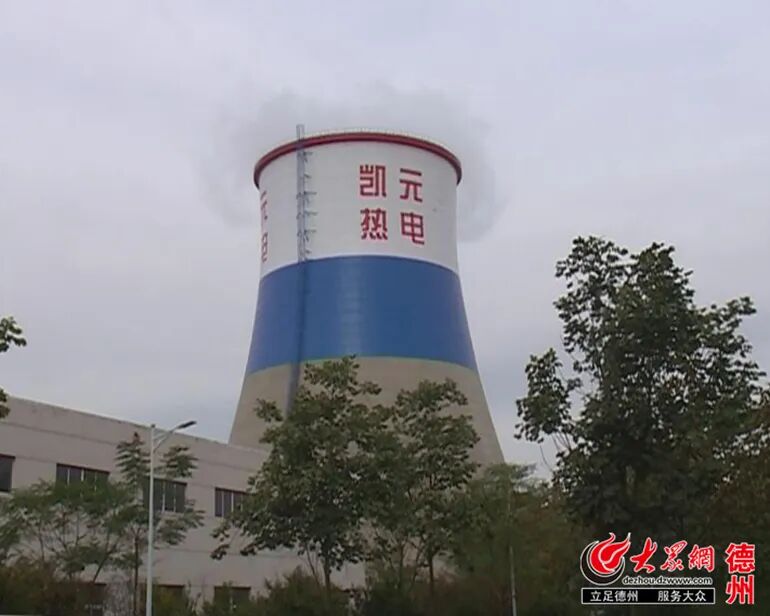
After the acquisition, Feng Cheng-Chang ' s company invested hundreds of millions of yuan in the heating task, upgrading equipment and technology.
The delay in meeting the original “direct power supply, direct heating” commitment by the local government directly led to a loss of KYPK, which was not adequately addressed by the then Secretary of the Texas City Council on two occasions.
In June 2019, the Shandong provincial government issued a letter calling for the closure of the coal combustion unit below 300,000 kilowatts of “unreplaceable and non-replaceable sources of heat” in the region. In July of the same year, the Shandong Department of Energy announced on its list that KEMT was explicitly listed as “the only and irreplaceable source of heat for the population in the region” and that it was not in policy to close immediately.
However, only three months later, the situation has turned sharply. In the first shutdown plans issued by the Shandong Energy Authority, Rue Energy and Power (2019) 240, two units of KEJ Heat Electric were suddenly included and the proposed shutdown was scheduled for December 2021.
In May 2021, this “generic heat source”, which served for 20 years, was suspended by a red head document of the Management Committee of the Texas Economic Technology Development Zone (now renamed “Trusts of Texas” Zone).
Previously, the municipality of Texas had held two consecutive conferences to study the advancement of the Känwon Thermal Power Shut-off, with the Texas Administrative Committee as the implementing body for the shutdown.
In December of the same year, the Kyat was forced to shut down in the absence of a complete heat substitution, an agreement on the disposal of assets, an unsettled settlement of personnel and an uncertain compensation rate.
The author notes that the White Deer News reported on the incident at Käi Won Thermal Power Company, where Shandong, previously named by the Central Environmental Inspectorate, was caught in a “sustained” windfall when the small coal power plant was shut off. Behind the incident, the District Regulatory Commission closed down the “off-of-suspense” thermal power plant three years earlier in order to take back the exclusive heating rights of the private enterprise.
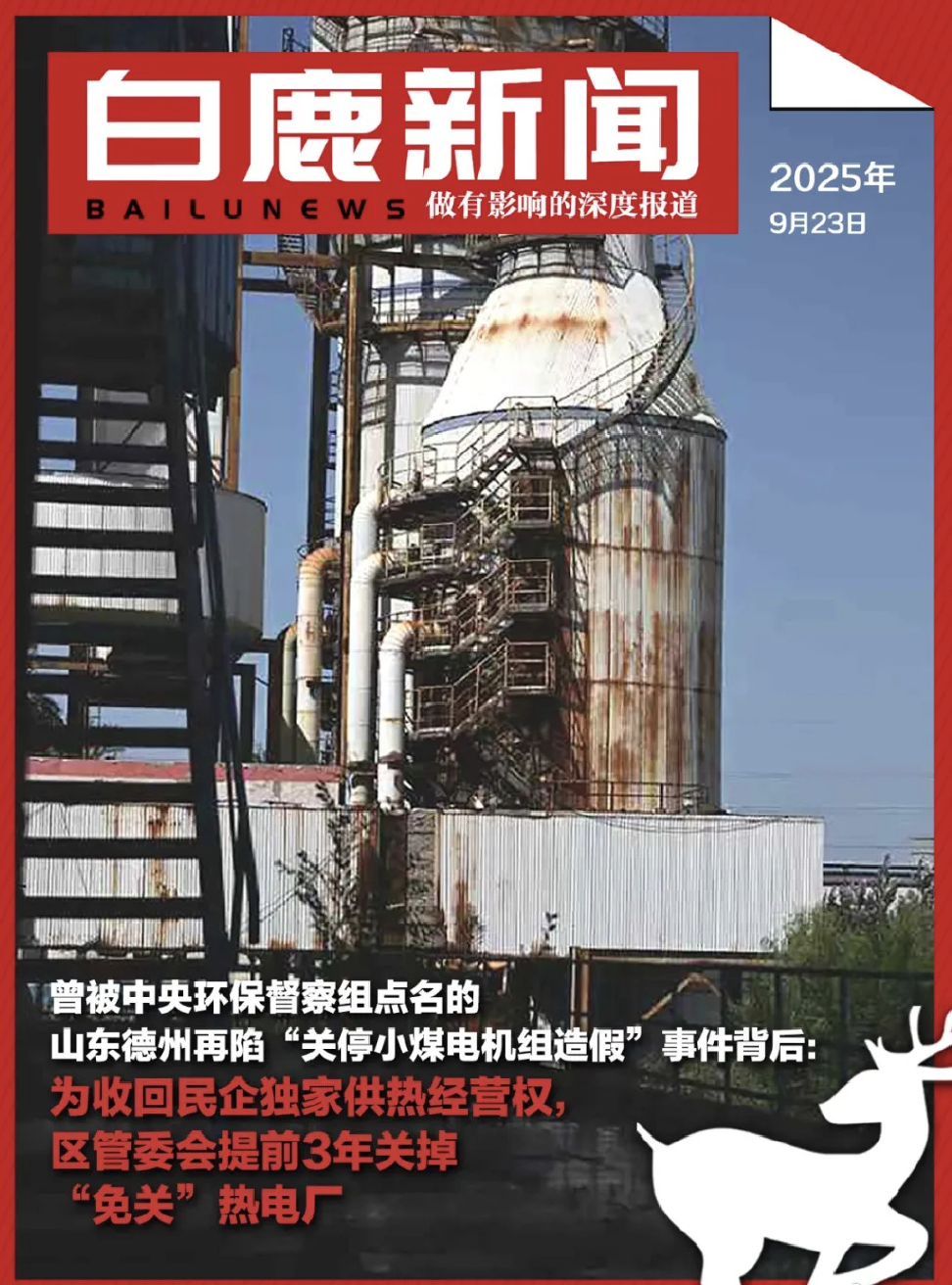
In his interview, Feng Chengqiang lamented that it was not the money and the market that really blocked him and the company, but the “closure of the fake” by the public authorities, which led to the company's missed the golden period of development. The delay in the payment of the closure resulted in a series of corporate debt litigation, which was on the verge of closing down, and in his transformation from a former, well-known private entrepreneur to a “brain-up”.
"Reimbursements of hundreds of millions."
Despite the controversial decision-making and process, prior to and following the closure, the parties established a special working group to consult on multiple rounds of asset funding, staff placement, compensation rates and jointly commissioned a report from a third-party assessment body, which concluded that the value of the K$450 million of thermal power-related assets was estimated.
Since then, the compensation has been in the process of retrograde. Time came to July
- The Compensation Decision was unilaterally issued by the Management Committee of the New District (formerly the Texas Economic Development Zone) and the amount of compensation approved was approximately $173 million, which is close to $280 million, which is not the same as the assessment. At the heart of the dispute lies the exclusion by the Committee of key assets such as high temperature water networks, steam networks and heat exchange stations from compensation.
The reasons given by the Commission in its decision on compensation were that the HWPN was “always in use, capable of producing value, without actual loss and in dispute over property rights”; The steam pipe network “was shut down for years before it shut down” Transportation, office equipment and furniture “may be used for conversion or self-processing”.
KEK claims that after the shutdown of its heating pipeline network, the heat exchange station, etc., was transferred free of charge to the Commission for the continued use of the constant heat of thermal power of the state-owned heating company; The Commission argued that the assets in question had been seized by the court for financial lease disputes and that ownership was vested in the Wahsha Financial Leasing Company, which had been “consented and licensed by the court” and was not in the form of a free-of-charge appropriation.
KEK has documented that in 2016, after the signing of the Financial Leasing Contract, it organized a large number of new heating facilities, such as the HVPN and thermal exchange stations, which are not included in the Wachah Financial Leasing Corporation mortgage list but are being forcibly transferred to heated energy for free in the closing period.
The parties have held each other to the point of the contradiction being the one at issue. In 2025, after unsuccessful communication, KEK filed an administrative action to request the court to confirm that the case related to the Closure Notice was illegal.
KEJP claims that the Texas Administrative Commission, as a dispatch agency, does not have the power to take binding administrative decisions in the field of energy management to suspend the customs, and that the previously issued " Notice of Closure " should be invalid administrative acts.
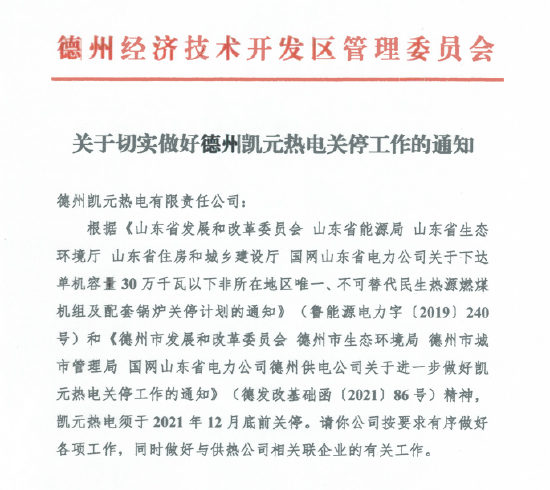
Moreover, the closure of the Texas Administrative Commission for the Establishment of the District of Texan, which exceeded the instructions of the superior documents, and the disposal of the high-temperature water network, the heat exchange station and other facilities, in addition to the shutdown of the coal combustion unit of the Kaewon Thermal Power Company, were invalid.
In its reply, the Administrative Commission of the Province of Texas stated that the " Notice of Closure " was to transmit the relevant documents of the provincial and municipal governments to the Kaiser Thermal Electric Company, without any real impact on the interests of the enterprise; They did not use public authority to transfer the heating networks and the heat exchange stations at no cost.
The Court and the government's Texas Triumph
On 6 February 2016, the Texas District Court of Texas opened the case in public session, and the two original defendants completed the presentation of evidence, the examination of evidence and the full court debate.
However, more than a month later, the court decided to stay the proceedings on the ground that “the administrative dispute was properly handled in order to resolve the administrative dispute”. The presiding judge orally informed the plaintiff's representative that “it would not exceed 18 months”.
This decision, which is referred to as “indeed”, raises numerous challenges. Several legal experts from Beijing University and the Chinese University of Political Science and Law have clearly stated that the above-mentioned “suspension” decision lacks facts and legal grounds and constitutes an abuse of the provisions of the judicial interpretation of administrative proceedings, which constitute errors in the application of the law and procedural violations.
Following media reports on the matter, on 15 May the Deutsche District Court orally informed the “renewal of the case” and did not make a written decision.
On 9 June, the German City District Court had a hasty first instance judgement finding that “the closure was a self-closure of the plaintiff”, and dismissed the plaintiff's claim.
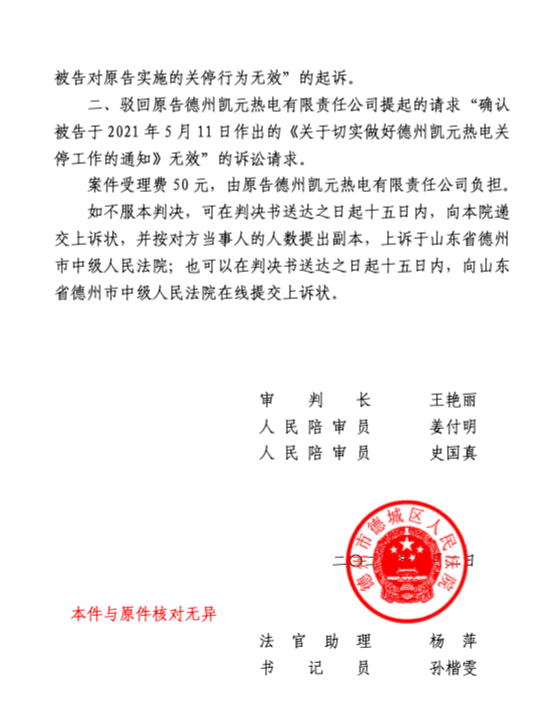
This reasoning has again provoked many challenges. The case was discussed by a number of legal experts, lawyers and others, who agreed that the first instance judgement procedure was unlawful, that the entity had been wrong, that the action had been discontinued without authority, that the grounds for the defects and that the principle of due process had been violated.
“The first instance decision is of a contradictory logic and, if it is found that the business has ceased to operate on its own initiative and that the action has not been brought, it should decide to dismiss the complaint, rather than dismiss the claim in the form of a judgement. “A legal expert who participated in the discussion said that he was not a legal expert.
Another legal expert said that the court examined the formality and that the core dispute, such as the pro bono transfer of the network, was not substantively verified; The decision was contrary to the fundamental principles of administrative law, failed to implement the rules of hearings, compensation and closure, and the entire loss was borne by private enterprises, damaging the business environment and the principle of protection of trust.
The experts also noted that the policy closure cannot be overstepped by the legal threshold, that the administrative authorities must comply with the three main requirements of the statutory, legal and procedural due diligence requirements. The Committee has been given multiple offences and the suspension should be declared null and void by law.
The logic of “closure” is absurd in the simple sense of the public! How can a heavy-assets private enterprise that finances 400 billion, loans over 100 million, and has a whole bunch of heating contracts, large-scale heating rights, shut down itself?
Once closed, it means that enterprises will face multiple default actions, broken financial chains, unpayable financing and bank loans. What private sector company voluntarily “sought to die”?
The KEK Hotspot Agent explained that the closure and withdrawal of the heating industry was not an act of self-employment but rather a matter of public administrative authorization, which was strictly governed by provincial regulations and territorial rules. The suspension, suspension of confessions and suspension of operations without legal authorization are serious violations and are subject to administrative penalties, civil compensation and emergency takeover.
“The fact that the relevant government departments have not penalized the KIM Heat Electric Company also suggests that KIM Heat Electric did not shut down itself. The blogger adds:
It is known that after the first instance judgement, the Kaiser Thermal Electric Company appealed. On 11 August, the Texas Intermediate Court held a second hearing in the case.
As mentioned in the second CLAO reply, KEMEN's “coordinated efforts to complete the shutdown without objective facts of its being forced to close”.
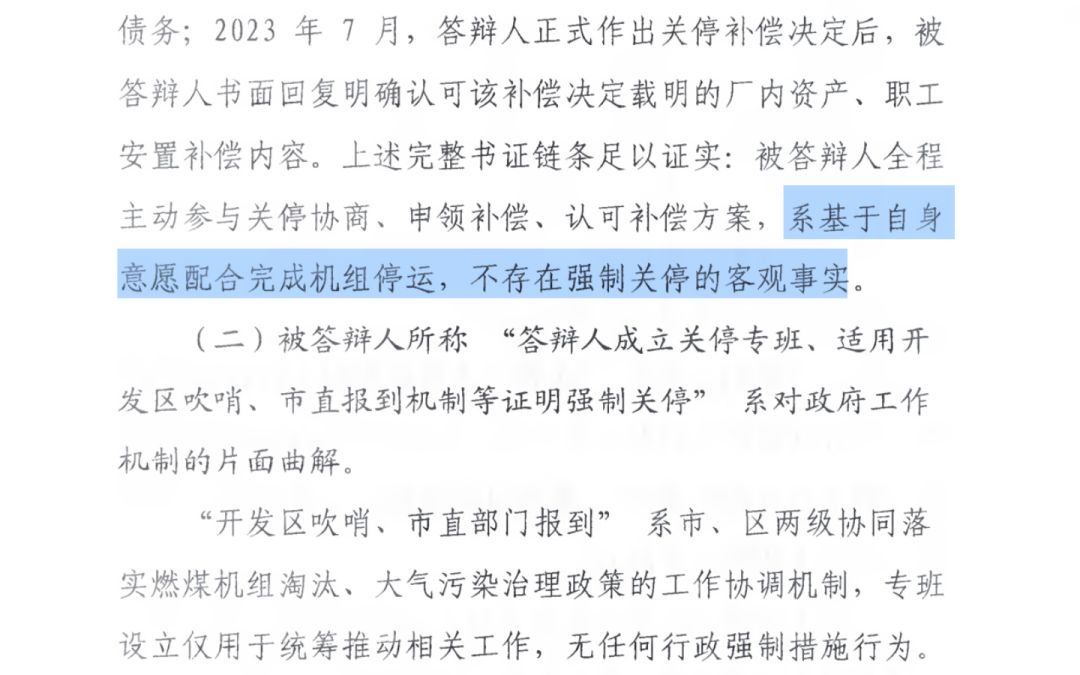
This statement is a source of great confusion. Is it mandatory for the government to suspend the civilisation? What if the company doesn't close? Is the board of directors of the district playing with a "Closure Notice"?
At present, the second trial in this case is pending. However, the business environment in Texas was already present in the case.
KEK reported that after the shutdown, all publicly tradable indicators such as “power generation targets”, “sulphur dioxide, nitrogen oxides, soot emissions”, “grid-connected electricity” and so forth, which are associated with interest on coal-fired electricity, were also recovered by the KIMC without charge and assigned to other companies, thus depriving it of the last possibility of doing business, “equivalent to a `capital sentence' for the enterprise. The blogger adds:
Finally, the author emphasizes that there is no malice in writing articles that are intended to observe judicial cases and to explore real problems. Private enterprise cases, remember, fair justice!
-END-
Recommended for reading
Paranoia “therapist”
The police and the Public Prosecutor's Office of Fujian Namping “had a fight” after the boss of the People's Enterprise reported to the police that they had been fraudulently misled.
The estate of the rich man's son, which was claimed after bankruptcy.
The case in Jiangxi lead mountain is referred to as “the first arrest without a case being opened” and the family dropped the “the person who committed the crime admitted to having made money”
Good governance of law
Recommending readers' friends to watch this sign
The original information
Original title: “Trust misalignment” of the Kevlar heat power being shut down: the government's explicit suspension is not mandatory and the cooperation of private enterprises is “voluntary”
Source: Micro-Intelligence Public #Media
Article discussion
Verified members can discuss this report publicly and manage their own content.
Checking member sign-in status…